

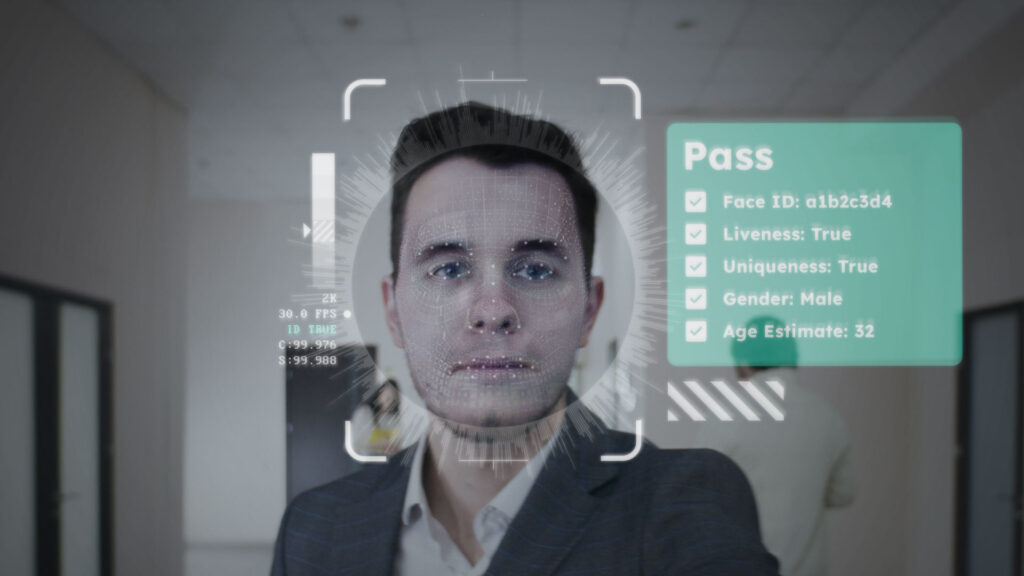
The internet is becoming a difficult place to tell who—or what—is real. For any platform built on genuine human connection, from financial services to online communities, this poses a serious threat. Bots create fake accounts, deepfakes attempt to fool security systems, and trust is eroding with every fraudulent interaction. Simply matching a face to an ID photo is no longer enough. You need to know if the person on the other side of the screen is a living, breathing human being, present in that exact moment. This is the fundamental challenge that modern security must solve. So, what is liveness detection? It’s the technology that provides this proof, acting as a critical gatekeeper to separate real users from digital fakes and restore integrity to your platform.
Protecting the Enterprise from Deepfakes and Synthetic Fraud
Liveness detection is the frontline defense against “presentation attacks”—where a fraudster uses a photo, a video replay, or a 3D mask to spoof a biometric system. For enterprises, liveness is critical for preventing Account Takeover (ATO) and ensuring that the person behind the screen is a real, live human being in the present moment.
Key Takeaways
-
- Confirm Live Presence, Not Just Identity: Liveness detection’s primary role is to confirm a real person is physically present during verification. This is the crucial step that stops spoofing attacks using static photos, screen recordings, or even 3D masks to fool basic biometric systems.
-
- Prioritize a Seamless User Experience: The best security feels invisible to legitimate users. Passive liveness detection works in the background to verify a person’s presence without requiring awkward actions, which prevents user frustration and reduces drop-off rates during onboarding.
-
- Choose a Partner Ready for Future Threats: The digital fraud landscape is constantly changing. Select a solution provider that invests in continuous AI learning to stay ahead of sophisticated attacks like deepfakes, ensuring your platform’s security is resilient and prepared for what’s next.
What Is Liveness Detection?
At its core, liveness detection is a security technology that confirms you’re dealing with a real, live person and not a digital fake. Think of it as the digital equivalent of a bouncer checking an ID and then looking at the person to make sure they match—and aren’t just holding up a picture. This technology is designed to spot and stop spoofing attacks, where a fraudster might use a photo, a mask, or even a sophisticated deepfake video to try and fool a system.
As more of our critical interactions move online, from opening a bank account to verifying a social media profile, proving genuine human presence has become essential. Liveness detection acts as a crucial gatekeeper, ensuring that the person on the other side of the screen is physically present and authentic. It’s the technology that separates real users from bots and bad actors, creating a foundation of trust for digital platforms.
Active vs. Passive Liveness: Which is Right for Your Business?
There are two primary technical approaches to liveness detection:
-
Active Liveness: This requires the user to perform an action, such as turning their head or blinking. While effective, it often leads to high user drop-off rates due to the “robotic” and frustrating nature of the task.
-
Passive Liveness: This runs invisibly in the background. It analyzes skin texture, light reflections, and micro-movements to determine “liveness” without requiring the user to do anything. This is the preferred method for enterprise UX.
Realeyes: Frictionless, Privacy-First Liveness
Realeyes offers a Passive Liveness solution that is optimized for any device with a camera. By eliminating the need for complex user movements, we help enterprises achieve significantly higher conversion rates.
-
Privacy-First: Our technology does not build or store permanent biometric templates of your users.
-
Cost Efficiency: Transitioning to Realeyes’ automated passive liveness can result in up to 90% cost savings compared to manual proctoring or high-friction hardware solutions.
Why Liveness Detection Is Essential for Digital Security
In a digital world filled with bots and bad actors, simply matching a face to a photo on file isn’t enough. Liveness detection provides the critical next step: verifying that the person in front of the camera is a real, live human being, present at that exact moment. This technology is a cornerstone of modern security, moving beyond simple authentication to establish genuine presence. For any platform where trust is paramount—from financial services to online communities—liveness detection is no longer an option, but a necessity for protecting users and preserving integrity. It’s the difference between asking “Are you who you say you are?” and “Are you really you, right now?”
Stopping Spoofing and Presentation Attacks
At its core, liveness detection is a powerful anti-spoofing tool. Fraudsters constantly try to trick biometric systems using what are known as presentation attacks. This is a technical term for a simple concept: presenting a fake biometric to a sensor. Think of someone holding up a high-resolution photo to a camera, playing a video of a person on a screen, or even using a sophisticated 3D mask to fool a facial recognition system. Without liveness detection, many authentication systems are vulnerable to these deceptions. By analyzing subtle cues that indicate a person is physically present—like blinking, slight head movements, or skin texture—liveness detection acts as a crucial gatekeeper, ensuring the user is a living person and not just a static image or replica.
Guarding Against Deepfakes and Synthetic Media
As technology advances, so do the threats. The rise of AI-generated content has introduced a more sophisticated form of spoofing: deepfakes. These hyper-realistic, fake videos can be used to create fraudulent accounts or attempt to take over existing ones, sometimes fooling even advanced biometric systems. This is where robust liveness detection becomes indispensable. Modern solutions are designed to spot the subtle, almost imperceptible artifacts that distinguish a real human from a digital fabrication. As AI and deepfake technology continue to evolve, liveness detection systems must constantly learn and adapt, creating an essential line of defense to protect your platform from these emerging threats.
Earning User Trust on Your Platform
Ultimately, security isn’t just about blocking threats; it’s about building a trustworthy environment for your genuine users. When people know their accounts are protected by more than just a password, their confidence in your platform grows. Liveness detection adds a formidable layer of security that helps prevent malicious activities like account takeovers and the creation of fake profiles using stolen information. By investing in technology that verifies real human presence, you send a clear message that you prioritize user safety. This commitment to security fosters loyalty and encourages deeper engagement, strengthening the community and the integrity of your entire ecosystem.
How Does Liveness Detection Technology Work?
So, how does a system actually tell the difference between you and a picture of you? It’s a fascinating mix of clever challenges, subtle observations, and powerful AI working together in fractions of a second. Liveness detection isn’t a single technology but a combination of methods designed to catch fraud in the act.
The core idea is to look for signs of life that are incredibly difficult to fake with a simple photo, a pre-recorded video, or even a sophisticated mask. These signs can be obvious movements or nearly invisible biological cues. The technology is split into two main approaches: active detection, which asks for your participation, and passive detection, which works quietly in the background. Both rely on advanced AI to make the final call, ensuring the person behind the screen is real, present, and in control.
A Look at Active Detection Techniques
Active liveness detection is the more direct approach. It works by asking the user to perform a specific action to prove they’re a live person in that exact moment. You’ve probably encountered this before—it’s the digital equivalent of being asked to touch your nose to prove you’re sober. The system might prompt you to blink, smile, or turn your head from side to side.
This challenge-response method is effective because it forces a real-time reaction that a static image or a simple video loop can’t replicate. A fraudster holding up a photo can’t make the eyes in the picture blink on command. While it’s a solid way to confirm liveness, the main drawback is the user experience. Adding these extra steps can create friction, which might cause some legitimate users to drop off.
Understanding Passive Detection Algorithms
Passive liveness detection is the silent guardian of digital identity. It works completely in the background, analyzing the video feed from a user’s camera without asking them to do anything. This method is all about spotting the subtle, involuntary cues that prove someone is a living, breathing person.
Instead of looking for big movements, passive systems analyze things like skin texture, light reflection on the face, and natural micro-movements that we all make without thinking. These subtle indicators are incredibly complex and nearly impossible to fake with a digital spoof. The biggest advantage here is the seamless user experience. The check happens instantly and invisibly, authenticating the user without adding a single extra step or causing frustration.
The Role of AI and Machine Learning
Artificial intelligence and machine learning are the brains behind the entire operation. These powerful systems are what allow liveness detection to analyze video streams and distinguish between a live person and a spoof attempt. Whether it’s an active or passive check, AI algorithms process the visual data to spot the tell-tale signs of life.
More importantly, these systems are constantly learning. By training on massive datasets of both real and fraudulent attempts, they get better at spotting new and emerging threats. As fraudsters develop more sophisticated spoofing techniques, these advanced algorithms adapt and evolve to stay one step ahead. This continuous learning process is what makes modern liveness detection such a resilient and effective tool for protecting platforms and their users.
Common Types of Liveness Detection
Liveness detection isn’t a one-size-fits-all technology. The right approach depends on the specific security needs of a platform and the user experience it wants to create. Different methods analyze unique biological and behavioral traits to confirm that a real person is present during a digital interaction. From the way a face moves to the sound of a voice, each type offers a distinct way to secure accounts and build trust. Understanding these common methods is the first step in choosing a solution that can effectively protect your users and your platform from sophisticated fraud.
Facial Liveness
This is likely the type of liveness detection you’re most familiar with. Facial liveness checks that a face presented to a camera belongs to a live person, not a static image or recorded video. The goal is to stop fraudsters from using a photo, a video on a screen, or even a mask to fool a system. Early versions of this technology often required users to perform actions like blinking or turning their head. Today, more advanced passive systems can confirm liveness in seconds by analyzing subtle cues like texture, reflections, and micro-movements, all without asking the user to do anything. This creates a secure and seamless verification process.
Fingerprint Liveness
Just like with faces, a fingerprint scanner needs to know if the finger it’s scanning is real. It’s not enough to just match the unique ridges and valleys of a fingerprint; the system must also verify that the print is coming from a living person. Without this check, a system could be tricked by a fake fingerprint made from silicone or gelatin. Fingerprint liveness detection adds a critical security layer by looking for signs of life, such as perspiration, blood flow, or the electrical properties of human skin. This ensures that the person being authenticated is physically present, making it a vital part of a layered biometric security strategy.
Voice and Behavioral Biometrics
In environments like call centers or voice-activated systems, liveness detection can distinguish a live human voice from a recording or a synthetic, AI-generated one. These systems analyze sound signals for the natural variations, background noise, and acoustic patterns inherent in human speech. This helps prevent fraudsters from using voice recordings to access accounts. Beyond voice, behavioral biometrics can also play a role. This technology analyzes how you interact with a device—your typing rhythm, mouse movements, or how you hold your phone—to continuously verify that a real, authorized user is in control, adding another subtle but powerful layer of security.
Multi-Modal Systems
For the highest level of security, some platforms turn to multi-modal systems. This approach requires a user to provide two or more different types of biometric proof at the same time, such as a face scan and a voice sample. The logic is simple: it’s one thing for a fraudster to create a realistic mask or a voice recording, but it’s exponentially more difficult to fake both simultaneously. By combining different biometric checks, multi-modality creates a much more robust defense against sophisticated attacks. This method is often used for high-stakes transactions or to protect extremely sensitive data where the cost of a breach is significant.
The Pros and Cons of Liveness Detection
Liveness detection is a powerful layer of defense in the digital world, but it’s not a silver bullet. Like any security measure, it comes with its own set of trade-offs. Understanding its strengths and weaknesses is the first step toward building a security strategy that truly protects your platform without alienating the real, human users you want to attract. Getting this balance right means looking at the technology from all angles—from its ability to stop bad actors to the experience it creates for everyone else.
Pro: Stronger Fraud Prevention
The most significant advantage of liveness detection is its ability to strengthen your defenses against fraud. Traditional identity verification might confirm that a photo on an ID matches a selfie, but it can’t tell you if that selfie is a live person or just a picture held up to the camera. This is where liveness detection comes in. It’s designed to confirm the physical presence of a person during authentication, making it a crucial tool for fighting spoof attacks. By analyzing subtle cues that indicate life—like blinking, slight head movements, or skin texture—the technology can effectively block attempts using printed photos, screen replays, or even sophisticated masks, adding a fundamental layer of protection to your security stack.
Con: Balancing Security with User Experience
While security is paramount, it can’t come at the expense of the user experience. If your verification process is too complicated or intrusive, potential customers will simply give up and go elsewhere. This is the central challenge with some forms of liveness detection, particularly active methods that require users to follow specific instructions like “smile” or “turn your head.” These steps add friction and can feel awkward, leading to high drop-off rates. The goal is to find a solution that provides robust security without making legitimate users feel like they’re being interrogated. When implemented correctly, the right technology can enhance user experience by making the security process fast, intuitive, and nearly invisible.
Con: Overcoming Technical Hurdles
The digital security landscape is a constant cat-and-mouse game. As soon as a new defense is created, fraudsters are already working on ways to break it. Liveness detection is no exception. Bad actors are deploying increasingly sophisticated, multi-layered attacks, from hyper-realistic deepfake videos to injection attacks that bypass the camera entirely and feed pre-recorded data directly into your system. Because of this, liveness detection can’t operate in a vacuum. It must be part of a broader, more holistic identity verification system. Relying on a single technique is risky; the most effective strategies combine multiple methods to create a resilient defense that can adapt to new and emerging threats.
Common Myths About Liveness Detection, Debunked
As with any powerful technology, liveness detection is surrounded by its share of misunderstandings. These misconceptions can make businesses hesitant to adopt a solution, fearing it will create friction for users or introduce new risks. But when you look closer, you’ll find that modern liveness detection is designed to address these very concerns head-on. Let’s clear up a few of the most common myths so you can make an informed decision about protecting your platform and community. By separating fact from fiction, you can better understand how this technology builds trust without compromising the user experience.
Myth: It’s Easy to Bypass
A frequent concern is that any security layer, including liveness detection, will either frustrate legitimate users or be easily tricked by determined fraudsters. The reality is that effective systems are built to be incredibly robust. They are specifically designed to defend against a wide range of spoofing attempts, from simple photo printouts to sophisticated deepfake videos. While no security is absolutely impenetrable, a high-quality liveness check makes it significantly more difficult and costly for bad actors to succeed. The goal isn’t to create an annoying hurdle for your customers; it’s to add a seamless, nearly invisible layer of security that prevents fraud before it can cause harm.
Myth: Performance and Accuracy Are a Given
It’s tempting to think that all liveness detection tools are the same, but their performance can vary dramatically. The effectiveness of a system depends entirely on the sophistication of its underlying algorithms. Top-tier solutions use advanced AI that can account for superficial changes in a person’s appearance, like new glasses, facial hair, or different lighting conditions. In fact, the accuracy of face recognition systems from leading developers has been tested to routinely surpass that of trained human experts. This is why choosing a proven, high-quality solution is so important. Assuming all systems offer the same level of accuracy can leave your platform vulnerable.
Myth: It Invades User Privacy
Privacy is a valid and important concern in our digital world. Many people worry that biometric authentication is inherently invasive. However, a responsibly designed liveness detection system prioritizes user privacy from the ground up. These systems are built to confirm live human presence, not to collect or store sensitive personal data unnecessarily. To mitigate privacy concerns, reputable solutions include multiple layers of security, such as strong encryption for any biometric templates and robust presentation attack detection. The process is about verifying a real person is present in the moment, strengthening trust without compromising personal information.
How to Choose the Right Liveness Detection Solution
Picking the right liveness detection solution feels like a high-stakes decision, because it is. You’re not just buying software; you’re investing in the trust and safety of your platform and its users. With so many options on the market, it’s crucial to understand that they are not all created equal. A great solution should feel almost invisible to your legitimate users while being an impenetrable wall for fraudsters.
The key is to find a balance between robust security and a seamless user experience. You need technology that can intelligently verify a user’s presence without asking them to jump through hoops, which can cause frustration and abandonment. As you evaluate your options, think about your specific needs, your users, and the kinds of threats you’re most likely to face. This isn’t about finding a one-size-fits-all product, but about finding a true security partner who can adapt and grow with you, ensuring your defenses remain strong as new challenges emerge.
Key Features to Look For
When you start comparing providers, it’s easy to get lost in technical jargon. To cut through the noise, focus on a few core features that truly matter. First and foremost is accuracy. The solution must be exceptional at telling a live person apart from a spoofing attempt, like a photo or video. Ask for accuracy rates and, if possible, test different solutions yourself. You also need to consider the user experience. A process that’s clunky or slow will cause legitimate users to drop off. The goal is to onboard users quickly and without friction. Next, examine its fraud detection capabilities. Can it stand up to sophisticated threats like deepfakes? Finally, consider the cost and flexibility. The right solution should fit into your existing workflow without requiring a complete overhaul.
Ensuring Smooth Integration and Scalability
A liveness detection tool doesn’t operate in a vacuum. It’s one piece of a larger identity verification puzzle. For that reason, you need a solution that integrates smoothly with your existing security measures, like biometric authentication. Think of it as adding a crucial layer of protection to your current setup. The best systems work together to create a defense that is much stronger than any single component. By confirming the physical presence of the user, liveness detection serves as a foundational check against the most common types of fraud. As your platform grows, your security needs will, too. Your chosen solution must be able to scale effortlessly, handling an increasing volume of verifications without sacrificing speed or accuracy. This is where choosing a reliable partner becomes critical.
Preparing for Tomorrow’s Threats
The world of digital fraud is anything but static. As technology advances, so do the methods fraudsters use to exploit it. The rise of convincing deepfakes is a perfect example of this constant cat-and-mouse game. A solution that’s effective today might be obsolete tomorrow if it doesn’t evolve. That’s why it’s so important to choose a provider who is committed to continuous innovation. Look for a partner who invests heavily in research and development to stay ahead of emerging threats. The field of liveness detection is making rapid advances, and your provider should be at the forefront of that change. This ensures your platform remains secure not just for now, but for the future.
Frequently Asked Questions
Is liveness detection the same thing as facial recognition? That’s a great question, and it’s a common point of confusion. Think of it this way: facial recognition answers the question, “Who are you?” by matching your face to a stored image. Liveness detection answers a different, equally important question: “Are you a real, live person right now?” It confirms your physical presence at the moment of verification, ensuring that a fraudster isn’t just holding up a photo or playing a video to trick the system. The two technologies work together as a team to provide strong security.
Which is better for my users: active or passive liveness detection? This really comes down to the experience you want to create. Active detection, which asks users to blink or turn their head, is a very direct way to prove liveness. However, those extra steps can feel clunky and cause some people to abandon the process. Passive detection works silently in the background, analyzing subtle cues like skin texture and micro-movements to confirm a user is real without asking them to do anything. For a smooth and frictionless experience that doesn’t sacrifice security, a passive approach is almost always the better choice.
How effective is this technology against advanced threats like deepfakes? This is where choosing a high-quality solution is critical. Basic liveness detection can be fooled by sophisticated fakes, but advanced systems are specifically trained to spot them. They use sophisticated AI to detect the tiny, almost imperceptible artifacts and inconsistencies that give away a digital forgery. As fraudsters’ tools get better, the best liveness detection providers are constantly updating their algorithms to stay ahead, making it an essential defense against these emerging threats.
Will this process work if a user changes their appearance, like growing a beard or wearing glasses? Absolutely. A robust liveness detection system is designed to focus on the underlying indicators of life, not superficial features. It’s looking for things like the texture of human skin and subtle, involuntary movements that are present regardless of whether you’re wearing glasses, have grown a beard, or changed your hairstyle. The technology is smart enough to distinguish between a legitimate change in appearance and an attempt to spoof the system with a mask or photo.
Does implementing liveness detection create privacy risks for my users? Protecting user privacy is fundamental to building trust. A responsibly designed liveness detection system is built with privacy at its core. The goal is to verify a live presence in a fleeting moment, not to collect or store sensitive biometric data indefinitely. Reputable providers use strong encryption and other security measures to protect any data that is processed. The check is designed to confirm you are a real person, strengthening account security without compromising personal information.
How does liveness detection stop deepfakes? It identifies “digital artifacts” and light-reflection patterns that AI-generated videos cannot yet replicate, distinguishing real human skin from a screen or synthetic mask.
Can a high-resolution photo trick liveness? Not with modern systems. Passive liveness analyzes the 3D depth and texture of the face to ensure it isn’t a 2D surface.