

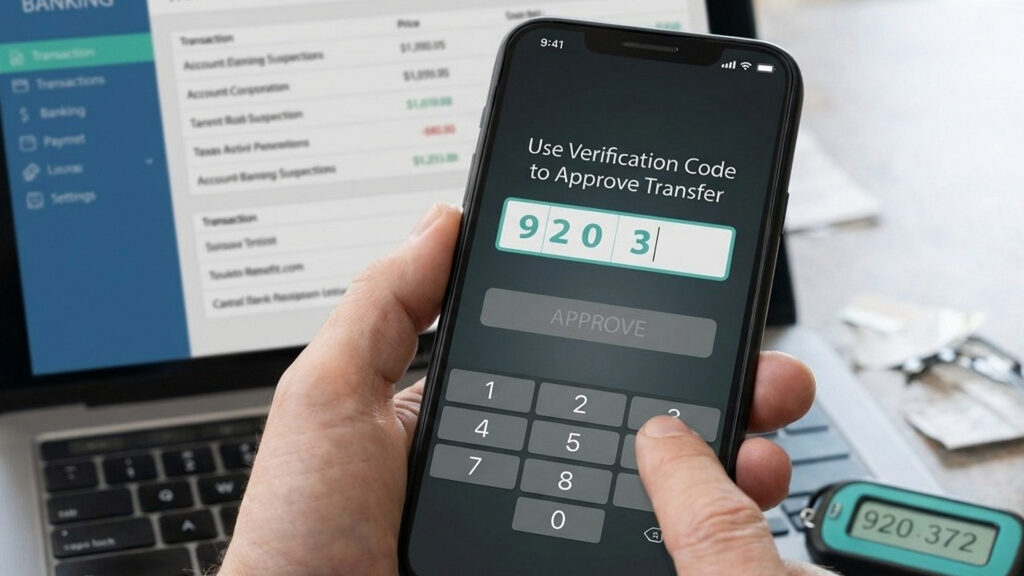
The most dangerous threats are the ones you can’t see. Many businesses are losing millions, not to obvious fraud, but to what they mistakenly write off as “bad debt.” The real culprit is synthetic identity fraud, a sophisticated scheme where criminals invent new identities instead of stealing existing ones. These fake personas are carefully cultivated over time to appear trustworthy, securing loans and credit they never intend to repay. This guide will show you how these digital ghosts are created, why they slip past traditional security, and how to shift your focus from verifying data to verifying the real, live human behind the screen.
For years, fraud prevention has focused on a simple question: Is this data valid? But synthetic fraud changes the game entirely. A synthetic identity can have a valid Social Security number and a plausible address, yet the person behind it is completely fictional. This is why the most important question is no longer about the data, but about the person. The ultimate defense is proving you are interacting with a real, live human being from the very first touchpoint. Shifting your strategy from data verification to human verification is the key to preventing synthetic identity fraud before it ever gets a foothold in your system, creating a safer environment for everyone.
Key Takeaways
- Understand the Threat Is Fabricated, Not Stolen: Synthetic fraud isn’t about stealing one person’s identity; it’s about building a new, fake one from scratch using a mix of real and invented data. This makes it nearly impossible to detect with traditional methods because there’s no single victim to sound the alarm.
- Build a Multi-Layered Security Strategy: A strong defense requires a proactive approach. Businesses must implement a robust, multi-step verification process at onboarding, while individuals can protect the raw data fraudsters use by monitoring credit and enabling multi-factor authentication.
- Prioritize Proving Human Presence: Data can be faked, but a real, live human cannot. The ultimate defense against synthetic identities is to shift focus from just verifying data points to confirming the physical presence of a person behind the screen through methods like liveness detection.
What Is Synthetic Identity Fraud, Really?
Think of synthetic identity fraud as a Frankenstein’s monster of personal data. It’s not about stealing one person’s entire identity. Instead, fraudsters stitch together pieces of real, verifiable information with completely fabricated details to create a brand-new, fictitious person. This “synthetic” identity looks legitimate enough to pass initial checks, but it doesn’t belong to any real individual. Because there’s no single person to report their identity as stolen, these fake personas can exist for years, quietly building credit and trust before being used to commit large-scale fraud. This makes it an incredibly sneaky and damaging threat for businesses and financial institutions.
The Building Blocks of a Fake Identity
At its core, a synthetic identity is a clever blend of truth and fiction. A fraudster might start with a legitimate Social Security number—often one belonging to a child or someone who is incarcerated, as their credit files are not actively monitored. They then combine this real piece of data with made-up information, like a fake name, address, and date of birth. According to Equifax, this combination of real and fake details is what makes this type of fraud so tricky. The resulting identity is a ghost in the system; it has just enough legitimacy to open bank accounts or apply for credit, but it doesn’t trace back to a real person who can be held accountable.
Manipulated vs. Manufactured Identities
Not all synthetic identities are created equal. They generally fall into two categories: manipulated and manufactured. A manipulated identity is built on a foundation of truth. A fraudster takes a real person’s information, like a Social Security number, and just slightly alters the details connected to it, such as the name or date of birth. This approach is particularly sneaky because it uses legitimate data as a starting point, making it incredibly difficult for traditional fraud systems to spot the inconsistencies. As experts at LexisNexis explain, these small changes are just enough to create a new credit file without raising immediate red flags.
On the other hand, a manufactured identity is created entirely from scratch. Criminals combine a real, valid SSN with completely fabricated personal details—a made-up name, a fake address, and a fictional birthday. This creates a digital ghost in the system. As Equifax points out, this identity doesn’t belong to any real person, so there’s no one to report the fraud. Both methods work by exploiting the gap between data that looks valid on paper and the actual, living person who should be behind it. This is why the most effective defense isn’t just about checking data; it’s about confirming there’s a real human present during the interaction.
Why This Type of Fraud Is on the Rise
Synthetic identity fraud is growing because it’s incredibly difficult to detect with traditional fraud prevention methods. These systems are designed to flag inconsistencies in a real person’s file, not to identify a person who doesn’t exist at all. Fraudsters are also playing the long game. They will patiently build up a fake identity’s credit over months or even years. By making small purchases and paying bills on time, they cultivate a positive credit history, making the synthetic identity appear trustworthy. This patience allows them to secure larger lines of credit before they “bust out”—maxing out all available credit and disappearing without a trace.
How Randomized SSNs Make Fraud Harder to Spot
It might sound counterintuitive, but a change intended to protect our identities actually made certain types of fraud much harder to catch. Before 2011, Social Security Numbers followed a predictable pattern that included the applicant’s geographic location. This gave fraud detection systems a logical framework to check against; if a number didn’t align with the applicant’s other information, it raised a red flag. But since the Social Security Administration began randomizing SSNs, that built-in check has disappeared. This makes it significantly more difficult for automated systems to spot a fake, as there’s no longer a predictable pattern to validate.
This randomization creates a perfect loophole for fraudsters. They can now take a valid—but inactive—SSN, perhaps one belonging to a child, and attach it to a completely fabricated name and address. Because the number itself has no logical connection to a person or place, traditional verification systems often give it a pass. The number is real, but the identity attached to it is a ghost. This mismatch is exactly what allows synthetic identities to slip through the cracks, as they appear legitimate enough to pass initial screenings and begin the slow process of building a credit history from scratch.
The New Playbook for Fraudsters
Today’s fraudsters have a sophisticated toolkit at their disposal. They harvest real personal details, like Social Security numbers, from the massive data breaches that have become all too common. This information is often bought and sold on the dark web. They specifically target vulnerable people, like children and the elderly, whose information is less likely to be actively monitored. The problem is getting worse with the rise of artificial intelligence. Generative AI and deepfake technologies now allow criminals to create highly convincing fake profiles and documents at scale, making it even harder for businesses to separate real customers from synthetic ones. This new wave of AI-driven fraud is pushing companies to find better ways to verify genuine human presence.
The Staggering Financial Impact of Synthetic Fraud
Key Statistics on the Growth of Synthetic Fraud
The price tag for synthetic fraud is jaw-dropping, and it’s growing every year. This isn’t a minor issue—it’s a massive financial drain on the economy. According to the Federal Reserve Bank of Boston, this type of fraud has cost businesses around $30 billion over the last several years. This isn’t a one-time hit; it’s a persistent, ongoing bleed that quietly siphons money from financial institutions, retailers, and other enterprises. To put it in perspective, U.S. lenders alone were projected to face $3.3 billion in losses from synthetic identities in a single year. These aren’t just numbers on a spreadsheet; they represent real financial damage that impacts a company’s bottom line, erodes investor confidence, and ultimately drives up costs for legitimate customers. The scale of this financial threat highlights why old methods of fraud detection are no longer enough to protect modern businesses.
Why Losses Are Often Hidden as Bad Debt
One of the most insidious things about synthetic fraud is that its true cost is often invisible. When a fraudster defaults on a loan using a fake identity, it doesn’t get flagged as fraud. Instead, it looks like a legitimate customer who simply failed to pay their bills. As a result, companies frequently write these losses off as “bad debt” or credit losses, as noted by experts at LexisNexis. This accounting sleight of hand means the fraud department never even sees the attack, and the business remains completely unaware of the real threat. This misclassification creates a dangerous blind spot. If you don’t know you’re being attacked by synthetic identities, you can’t build the right defenses. It perpetuates a cycle where businesses keep trying to solve the problem with better credit risk models, when the real issue is a failure to confirm that their applicant is a real person in the first place. The losses keep mounting, but they’re buried in the wrong column, masking the urgency of the problem.
How Fraudsters Build a Fake Identity from Scratch
Creating a synthetic identity isn’t a simple act of theft; it’s a calculated process of invention. Fraudsters act like meticulous, malicious storytellers, building a believable character from scratch using a mix of real and fake information. They aren’t just stealing an identity—they’re fabricating a new one entirely. This makes the fraud incredibly difficult to detect with traditional methods because, in a way, there’s no single victim to report a stolen identity. The “person” doesn’t actually exist. Understanding their playbook is the first step for any business looking to protect its platform and its users from these schemes.
From Stolen Data to Fake Person
The process begins when a criminal gets their hands on a legitimate, but underused, piece of personal information—most often a Social Security Number. They specifically target SSNs belonging to children, the elderly, or homeless individuals because these groups are less likely to have an active credit history or monitor their files. The fraudster then combines this real SSN with completely fabricated details, like a made-up name and address. This method creates what some call a “Frankenstein ID,” a patchwork of real and fabricated details stitched together to form a new, nonexistent person who looks legitimate enough to pass initial checks.
Common Creation Methods
Fraudsters typically use a couple of core strategies to create these fake identities. The most common method is manufacturing an identity from scratch. They take a real, inactive Social Security number—often stolen from a child—and pair it with a made-up name, address, and birthdate. This combination of real and fake data creates a “ghost” in the system, as Equifax describes it. It’s just legitimate enough to open accounts but doesn’t trace back to a real person who can be held accountable. A less frequent but still effective method involves manipulating a real identity by slightly altering details, like changing a single digit in a birthdate, to create a new credit file.
Once the basic identity is created, the real work begins. Fraudsters are known to play the long game, carefully “nurturing” the new identity to build a credible credit history. This process starts small. They might apply for a secured credit card or add the synthetic identity as an authorized user on another account to establish a credit file. Over months or even years, they make small purchases and consistently pay the bills on time. This slow and steady activity establishes a positive payment history, making the synthetic identity appear reliable to lenders. This careful cultivation is the setup for the final act: the “bust-out,” where they max out every line of credit and disappear, leaving financial institutions with the losses.
Where They Get the Data to Build a Persona
The foundational data for these fake identities comes from a variety of sources. Criminals often purchase SSNs and other personal details from the dark web, where information stolen in massive data breaches is sold. They might also phish for information or scrape it from public social media profiles. By targeting vulnerable people whose information is less likely to be monitored, they give themselves a head start. Once they have a key piece of real data, they can build the rest of the persona around it, inventing a name and address or even altering a real person’s information to create a “new” individual.
Playing the Long Game: How Fake Identities Mature Over Time
This isn’t a smash-and-grab operation. Synthetic identity fraud is a long con, and patience is the fraudster’s greatest asset. After creating the fake identity, they work to make it appear legitimate. They might apply for a credit card with a low limit, make small purchases, and diligently pay the bills on time. This slow and steady activity builds a positive credit history for the synthetic identity. Over months or even years, they apply for more credit and get higher limits. This careful cultivation makes the identity seem more trustworthy, allowing them to secure larger lines of credit before they finally max out all the accounts and disappear without a trace.
Pivoting Tactics: From Credit Cards to Government Aid
While credit card fraud has long been the classic playbook, criminals are now diversifying their targets. The massive rollout of government aid programs, particularly in recent years, created a golden opportunity for fraudsters to exploit new vulnerabilities. They used synthetic identities to apply for loans and benefits, siphoning away funds intended for real people and small businesses. The Federal Reserve Bank of Boston notes that this type of fraud is so effective because traditional prevention systems are built to spot inconsistencies in a real person’s file, not to identify a person who doesn’t exist at all. This tactical shift demonstrates that as opportunities change, fraudsters adapt, targeting any system where large sums of money are being distributed with speed and at scale.
Who Is at Risk from Synthetic Identity Fraud?
Synthetic identity fraud isn’t a faceless crime; it has real victims, even if the identities themselves are fake. The damage spreads in two directions, affecting both vulnerable individuals whose data is stolen and the businesses left with the financial fallout. On one side, you have organized crime rings that systematically prey on the personal information of those least likely to monitor their credit—children, the elderly, and even the deceased. Their stolen data becomes the seed for a new, fraudulent identity, creating a problem that can go unnoticed for years. This stolen information is then used to defraud entire industries.
On the other side, financial institutions, fintech companies, and e-commerce platforms are the primary targets. They onboard these seemingly legitimate “customers,” extend them credit, and provide them with services, only to have them disappear after racking up significant debt. The losses are staggering, often miscategorized as simple credit losses rather than the sophisticated fraud they truly are. This dual-front attack means that protecting against synthetic fraud requires a strategy that not only secures business systems but also acknowledges the human cost of the data being exploited. The core of the problem is the inability to distinguish a real person from a well-constructed fake, making human presence verification a critical line of defense.
Vulnerable Individuals and Organized Crime
At its heart, synthetic identity fraud is a crime of exploitation. Fraudsters specifically target the personal information of people who are not actively participating in the credit system. According to Equifax, this often includes the Social Security numbers of children or incarcerated individuals because their credit files are dormant and unmonitored. The elderly are also prime targets, as they may be less likely to check their credit reports regularly. This isn’t the work of lone actors; it’s often orchestrated by sophisticated criminal organizations that harvest this data at scale from data breaches and other illicit sources. They then use this information to build an army of fake identities, creating a systemic threat that is difficult to trace back to its source.
Targeted Industries: Finance, Fintech, and Trading Platforms
The industries that move money are the ones that attract the most fraudsters. Financial companies, fintech apps, and trading platforms are prime targets because their business models rely on quickly onboarding new customers and extending credit. As Plaid points out, these companies bear the direct financial losses when synthetic identities default on loans or max out credit lines. The damage isn’t just financial, though. Every successful fraud event erodes the trust that is essential for these platforms to function. When it becomes difficult to distinguish between a real customer and a fake one, the entire system becomes less secure, increasing friction for legitimate users and damaging the company’s reputation.
How to Spot the Warning Signs of Synthetic Fraud
Synthetic fraud can feel like a ghost in the machine—hard to pin down and even harder to prove. Unlike traditional identity theft, synthetic identities are patchworks of real and fabricated data, making them tricky for standard security checks to detect. But these phantom identities do leave footprints. If you know where to look, you can catch the inconsistencies before they cause serious damage to your personal credit or your business’s bottom line. The key is paying attention to small details that just don’t add up.
Spotting Fraud on Your Credit Report
Your credit report is one of the first places a synthetic identity will take root. Fraudsters often use a legitimate Social Security number and pair it with a fake name and address to apply for credit. This can create a “fragmented” credit file, where your real credit history gets tangled up with a fraudulent one. You can spot this by regularly checking your credit reports for any accounts, addresses, or inquiries you don’t recognize. An inquiry from a lender you’ve never contacted is a major red flag.
Strange Letters or Emails You Can’t Ignore
It’s easy to toss out junk mail, but sometimes it’s a warning sign. If you start receiving mail addressed to someone you don’t know at your home, a fraudster may have used your address to establish a physical footprint for a fake identity. The same goes for your inbox. Pay attention to emails confirming new accounts you never opened or collection notices for debts that aren’t yours. Even unsolicited subscriptions can be a clue. These communications are often the first indication that your personal information has been woven into a synthetic identity.
When Identity Checks Don’t Add Up
For businesses, the warning signs often appear during onboarding. Because fraudsters mix real data with fake details, a synthetic identity can sometimes slip past basic verification checks. The trick is to look for inconsistencies across different data points. For example, does the name on an ID match public records? Does the provided address have a history? Discrepancies between submitted documents and third-party databases are a strong signal of fraud. These mismatches happen because it’s incredibly difficult for criminals to create a fake persona that holds up under thorough scrutiny.
Red Flags for Businesses to Watch For
Beyond mismatched data, businesses should be wary of applicants who have a “thin file”—a credit history that’s very new or has very little activity. A fraudster might use a legitimate SSN, but if that SSN has no corresponding digital footprint, like social media profiles or public records, it’s a major warning sign. Also, look for unusual patterns in the application itself. For instance, an applicant might use a disposable email address or a VoIP phone number, which are harder to trace. Fraudsters will patiently cultivate a positive credit history, so a file that looks a little too perfect can be just as suspicious as one with obvious errors. Ultimately, these red flags all point to the same core issue: you can’t be sure if a real person is behind the application.
How to Protect Yourself from Synthetic Fraud
While businesses are on the front lines fighting large-scale synthetic fraud, the battle really begins with protecting the raw materials fraudsters use: our personal data. Think of it this way—every piece of your information is a potential building block for a fake identity. By securing your own data, you’re not just protecting yourself; you’re helping to starve the entire fraudulent ecosystem. It doesn’t require becoming a security expert overnight. Instead, it’s about building a few smart, consistent habits into your daily life. Taking these steps makes you a much harder target. Fraudsters thrive on easily accessible information and unprotected accounts. When you lock down your data and add layers of security, you force them to move on to someone else. It’s about being proactive rather than reactive. The following practices are your best defense, creating a strong personal security posture that makes it incredibly difficult for anyone to misuse your information or the information of those you care about, like your children.
Lock Down Your Personal Information
The first rule of thumb is to treat your personal information like cash. Your Social Security number is the ultimate prize for a fraudster, so keep your card locked away in a safe place, not in your wallet. Never say the number out loud in a public place where it can be overheard. Get into the habit of shredding any mail or documents that contain personally identifiable information (PII) before you toss them. This includes old bank statements, credit card offers, and medical bills. On the digital front, using strong, unique passwords for each of your online accounts is non-negotiable. A password manager can help you create and store complex passwords so you don’t have to remember them all.
Question Requests for Your SSN
Just because a form has a blank for your Social Security number doesn’t mean you have to fill it in. Get comfortable questioning why it’s needed. Your SSN is the most critical piece of data a fraudster can get; it’s the skeleton key they use to build a synthetic identity from scratch. When asked for it, it’s perfectly reasonable to ask, “Is this absolutely necessary?” or “How will my information be protected?” Many organizations, like a doctor’s office or a new retail store, ask for it out of habit, not necessity. The Federal Trade Commission confirms there are very few instances where you are legally required to provide it. For things like a new job, a loan application, or filing taxes, it’s essential. For almost everything else, you can—and should—push back or offer an alternative form of identification.
Keep a Close Watch on Your Credit
Your credit report tells the story of your financial life, and it’s one of the first places you’ll see evidence of synthetic fraud. Fraudsters often use a real SSN with a fake name to open new lines of credit, and those accounts can show up on your report. You are entitled to a free credit report from each of the three major bureaus—Equifax, Experian, and TransUnion—every year. You can request your reports and review them carefully for any accounts, names, or addresses you don’t recognize. Also, keep an eye on your credit score. A sudden, unexpected drop can be a major red flag that something is wrong and warrants a closer look at your credit history.
Use Fraud Alerts and Security Freezes
Think of fraud alerts and security freezes as your personal gatekeepers for new credit. When you place a fraud alert on your credit file, it acts as a red flag to lenders, telling them to take extra steps to verify your identity before opening a new account. A security freeze is even stronger; it locks down your credit file completely, preventing anyone from accessing it to open new lines of credit until you temporarily lift or permanently remove the freeze. According to credit bureau Equifax, these tools are particularly effective at stopping fraudsters in their tracks. Setting one up is a proactive step that adds a crucial layer of defense, making it much harder for a criminal to use your information to build a synthetic identity.
Protect Your Children’s Information
A child’s Social Security number is a blank slate, which makes it a gold mine for fraudsters. Because children don’t have credit histories, criminals can use their SSNs to create synthetic identities that can go undetected for years. As a parent, you are the primary defender of their information. Be extremely cautious about who you share their SSN with, and always ask why it’s needed and how it will be protected. Store their Social Security card and other sensitive documents in a secure location, not in your wallet. You can also proactively freeze your child’s credit, which prevents anyone from opening an account in their name. This simple step can protect their financial future before it even begins.
Sign Up for Account Alerts from Your Bank
Your bank and credit card companies offer a powerful, real-time tool for spotting fraud: account alerts. Instead of waiting for a monthly statement to arrive, you can get instant notifications via text or email for specific activities on your account. You can set up alerts for transactions over a certain dollar amount, online purchases, or changes to your personal information. As financial institutions like FNBMD point out, these alerts help you stay informed about any unusual activity as it happens. This allows you to react immediately to potential fraud, shutting down a compromised account before a fraudster can inflict significant damage. It’s a simple, free service that turns your phone into an early-warning system.
Simple Habits for Better Online Security
So much of our lives happens online, which means our daily digital habits matter immensely. Be skeptical of unsolicited emails or text messages that ask you to click a link or download an attachment—this is a common way fraudsters try to install malware or steal your login credentials. When you’re handling sensitive tasks like online banking or shopping, always make sure you’re on a secure, private Wi-Fi network, not public Wi-Fi. Finally, be mindful of what you share on social media. Before you post a photo, glance at the background to ensure no sensitive documents with personal details are accidentally visible. Every little bit of caution helps build a stronger defense against prying eyes.
Turn On Multi-Factor Authentication
If you do only one thing to secure your online accounts, make it this: turn on multi-factor authentication (MFA) everywhere you can. MFA, sometimes called two-factor authentication (2FA), adds a crucial second layer of security beyond just your password. Even if a fraudster manages to steal your password, they won’t be able to access your account without the second verification step. This usually involves a code sent to your phone via text message, a prompt from an authenticator app, or a biometric scan like your fingerprint or face. It’s one of the single most effective ways to protect your accounts from unauthorized access, so take a few minutes to enable it on your email, banking, and social media accounts today.
How Businesses Can Stop Synthetic Fraud in Its Tracks
Stopping synthetic fraud isn’t about finding a single silver bullet. Instead, it’s about building a series of strong, interconnected defenses that make it incredibly difficult for fake identities to slip through. Think of it as a layered security system for your digital front door. When fraudsters encounter multiple checkpoints, they’re far more likely to give up and move on to an easier target. This proactive approach not only protects your company from financial loss but also builds a foundation of trust with your genuine customers. The key is to verify identities from multiple angles, making sure the data you receive is consistent, legitimate, and, most importantly, tied to a real, living person. From the moment a user creates an account to their ongoing activity, every interaction is an opportunity to confirm their authenticity. By implementing a robust, multi-step verification process, you can effectively filter out the fakes while creating a seamless experience for the real people you want to serve. Let’s walk through the essential strategies your business can put in place right now.
Verify Identities from Day One
Your first line of defense is a strong onboarding process. This is your best opportunity to catch synthetic identities before they can cause any damage. To do this effectively, businesses must implement robust verification processes when a new customer signs up. This means going beyond just a name and email address. A solid onboarding flow should collect and validate key identity attributes like a physical address, phone number, and date of birth. By gathering more comprehensive information from the start, you create a much higher barrier for fraudsters trying to establish a fake persona within your system.
Ensure Every ID Is Genuine
In a world of sophisticated fakes, a quick visual check of a driver’s license or passport is no longer enough. Fraudsters can easily create convincing forgeries that can fool the naked eye. That’s why it’s critical to use advanced technology to ensure that the documents your customers provide are legitimate. Modern document authentication tools can analyze security features like holograms, microprinting, and watermarks in seconds. This automated check confirms that the ID is a genuine, government-issued document, not a high-quality counterfeit created by a fraudster.
Confirm a Real Person Is Present
Once you’ve confirmed a document is real, you need to know that the person holding it is its rightful owner. This is where biometrics and liveness detection come in. By asking a user to take a quick selfie, you can use facial recognition to match their face to the photo on their ID. But the real game-changer is liveness detection. This technology confirms that the user is physically present by asking for a simple action, like turning their head. This step prevents fraudsters from using a static photo or a deepfake video to trick the system, allowing you to keep pace with fraud technology and ensure a real human is behind the screen.
Don’t Rely on a Single Source of Truth
A synthetic identity is a patchwork of real and fabricated information. The best way to expose it is to check for inconsistencies. Don’t rely on a single source of truth. Instead, cross-reference the information a user provides against multiple independent and authoritative databases. This data sharing between organizations can help you get a more complete picture of a customer’s identity. For example, you can check if the name, date of birth, and Social Security number align with records from credit bureaus or government agencies. A mismatch is a major red flag that you might be dealing with a synthetic identity.
Leverage Advanced Verification Technologies
Since fraudsters are using sophisticated methods, your defense needs to be just as smart. Traditional fraud systems, which are built to check if data points are valid, often miss the mark because the data in a synthetic profile looks real enough to pass. This is where modern verification technologies become so critical. Instead of just asking, “Is this Social Security number real?” they ask, “Is there a real person here?” Tools that use biometrics and liveness detection can confirm you’re interacting with a genuine human in real-time, not a deepfake or a static photo. As the Federal Reserve Bank of Boston highlights, the best defense is to confirm the physical presence of a person. This shift from verifying data to verifying humanity is the core of a modern security strategy, stopping synthetic identities before they can even get started.
Flag High-Risk Accounts Automatically
Bringing it all together is a smart, dynamic risk-scoring system. This isn’t a one-time check but an ongoing assessment of a user’s trustworthiness. Based on the data collected during onboarding—from document authentication to biometric checks and data cross-referencing—you can assign a risk score to each new account. This score can then be updated based on their behavior over time. By investing in modernized identity verification, you can automatically flag high-risk accounts for further review while allowing low-risk, legitimate customers to proceed without friction. This protects your bottom line and preserves the trust that is essential to your business.
Collaborate and Share Information to Stay Ahead
Fraudsters don’t operate in silos, and neither should your defenses. They share tactics and data on the dark web, constantly refining their methods to find the weakest link in the system. This makes fighting synthetic fraud a team sport. A fake identity might look plausible to a single institution, but the facade crumbles when its data is checked against other sources. This is why data sharing between organizations is so powerful. By cross-referencing the information a new user provides against independent databases from credit bureaus, government agencies, and even other businesses, you can quickly spot the inconsistencies that signal a fabricated identity. A name that doesn’t align with a Social Security number’s history or an address that has no record are the kinds of red flags that only become visible through a collaborative lens. This united front makes it exponentially harder for fraudsters to establish a foothold, protecting not just your business but the entire digital ecosystem.
Common Roadblocks in Fraud Prevention (and How to Clear Them)
Putting a strong fraud prevention strategy in place is a fantastic goal, but it’s rarely a straight line from A to B. Most businesses run into a few common hurdles along the way, from messy data to tight budgets. The good news is that these roadblocks are not dead ends. With the right approach, you can clear the path and build a more secure system for your business and your customers. Recognizing these challenges is the first step. You might be struggling to make sense of the customer information you have, or maybe your current technology feels a step behind the fraudsters. Perhaps your team is stretched thin, or you’re trying to balance security with complex compliance rules. Whatever the obstacle, there’s a practical way forward. Let’s walk through some of the most frequent issues and talk about how to solve them.
What to Do When Your Data Is a Mess
Fraudsters thrive in the gaps. When your customer data is incomplete, inconsistent, or just plain messy, it’s much easier for a synthetic identity to go unnoticed. A fake persona might use a real Social Security number with a made-up name and address, and if your systems can’t spot the mismatch, the fraudster gets a foothold. To effectively combat synthetic identity fraud, you need to start with a foundation of clean, reliable data. This begins with implementing robust verification processes right at onboarding, ensuring every new customer is who they say they are before they ever access your platform.
Is Your Tech Stack Leaving You Vulnerable?
Using outdated tools to fight modern fraud is like trying to catch a high-speed train on foot. Fraudsters are constantly updating their methods, and your technology needs to keep pace. If your tech stack has gaps or relies on manual checks, you’re leaving your business vulnerable. The most effective defense involves using the most advanced technology available. Tools like AI-powered facial recognition, biometric matching, and real-time anomaly detection give you the speed and intelligence needed to stop synthetic identity abuses before they cause damage. Auditing your current systems to identify and fill these gaps is a critical step.
How to Fight Fraud on a Budget
It’s easy to think that top-tier fraud prevention is out of reach without a massive budget or a dedicated army of analysts. But the reality is that you can’t afford not to invest in security. The cost of a single major fraud event—in financial loss, reputational damage, and customer trust—can far exceed the investment in the right tools. Instead of seeing it as a cost center, think of it as protecting your bottom line. Start by focusing your resources on the highest-risk areas. Many modern fraud solutions also automate routine tasks, which frees up your team to focus on more complex issues, allowing you to do more with less.
Balancing Security and Compliance
Staying on the right side of regulations like Know Your Customer (KYC) and Anti-Money Laundering (AML) is non-negotiable, but it can feel like a tightrope walk. How do you meet strict compliance demands without creating a frustrating experience for legitimate customers? The key is to integrate compliance into a seamless verification workflow. Look for solutions that use machine learning models to enhance identity checks while satisfying regulatory requirements. Some of the best strategies involve data sharing between organizations where appropriate and using technology that can confirm identity with minimal friction, keeping you both secure and compliant.
Your Toolkit for Fighting Fraud
Tackling synthetic identity fraud requires a mix of personal vigilance and powerful business technology. You don’t have to go it alone—there are excellent services and official resources designed to help you protect your assets and your customers. Whether you’re an individual trying to safeguard your identity or a business building a stronger defense, these tools can make a significant difference in staying ahead of fraudsters. Think of them as essential layers in your security strategy, each playing a unique role in confirming that people are who they say they are.
Get Alerts with Credit Monitoring Services
One of the simplest yet most effective ways to protect yourself is to keep a close eye on your financial footprint. Services from major credit bureaus can help you protect yourself against fraud by sending you alerts about changes to your credit profile. When a new account is opened or a strange inquiry appears, you’ll be the first to know. This proactive monitoring allows you to spot the warning signs of a synthetic identity being built with your information long before it can cause serious damage. Regularly reviewing your credit reports gives you the power to act quickly and shut down fraudulent activity.
Automate Your Defenses with Identity Protection
For businesses, manual checks are no longer enough to combat sophisticated fraud. You need technology that can automatically and accurately verify identities at scale. Modern identity protection platforms are designed to do just that. They can instantly check if government-issued documents are authentic, cross-reference information against public records, and ensure the identities you’re onboarding are legitimate. Investing in this kind of technology is crucial for any business that needs to combat synthetic identity fraud effectively, protecting both your platform and your genuine customers from risk.
How AI and Machine Learning Can Help
Fraudsters are constantly evolving their tactics, and that’s where artificial intelligence and machine learning come in. These advanced systems are trained to detect subtle, suspicious patterns that a human analyst might miss. For example, AI can flag an application with a mismatched address, a name that doesn’t align with government IDs, or a phone number with no history. By employing these modern fraud detection tools, you can analyze vast amounts of data in real time to identify high-risk behaviors and stop synthetic identities before they can be used to cause harm.
Using AI to Analyze Digital History
A real person leaves a trail. Over years, we accumulate a digital history—credit inquiries, utility bills, public records, and a phone number with a long history. A synthetic identity, on the other hand, is born yesterday. It has no past. This is where AI excels. It can instantly analyze vast datasets to see if the story adds up. For instance, an AI system can flag an application where the provided address has no connection to the applicant’s name in public records, or where a phone number was activated just last week. It’s not looking for one single error but for a pattern of inconsistencies that a human might overlook. By cross-referencing information against multiple authoritative sources, AI can quickly determine if the digital footprint looks like that of a real, living person or if it’s a shallow facade built by a fraudster.
Know Where to Report Fraud
If you believe your personal information has been compromised or used to create a synthetic identity, it’s important to act immediately. The federal government has a centralized resource to guide you through the recovery process. You can visit IdentityTheft.gov to report the crime and receive a personalized recovery plan. This official site walks you through the necessary steps, from contacting credit bureaus to filing a police report. It’s a comprehensive and supportive resource designed to help you regain control of your identity and minimize the damage.
What to Do the Moment You Suspect Fraud
That sinking feeling when you realize something is wrong with your accounts is a moment that calls for clear, swift action. Whether you’re an individual noticing strange activity on your credit report or a business detecting suspicious patterns, a methodical plan can make all the difference. It’s about containing the damage, protecting your assets, and shutting down the fraudster’s access. The steps you take in the first few hours and days are critical. Let’s walk through exactly what to do, starting with your personal accounts, then moving to a response plan for your business, and finally, how to coordinate with banks and lenders.
Your Personal Action Plan
If you think you’re a victim, act fast. The warning signs can be subtle at first—maybe you receive mail for a credit card you never applied for or see a small, unfamiliar line of credit on your report. According to security experts, these are classic red flags. Don’t ignore them. The moment you suspect something is wrong, start a recovery plan. This means immediately contacting your bank and any lenders involved, changing all of your important usernames and passwords, and placing a fraud alert on your credit files. Filing an official identity theft report with the FTC is another crucial step to document the crime and protect your name.
How Your Business Should Respond
For businesses, responding to suspected fraud requires a two-pronged approach: addressing the immediate threat and strengthening your defenses for the future. The most effective way to combat synthetic identity fraud is to implement robust verification processes right at the start, when you’re onboarding new customers. Waiting until fraud occurs is too late. Modern tools can help you keep pace with fraud technology, using things like AI-powered facial recognition and real-time anomaly detection to spot inconsistencies that a human eye might miss. This isn’t just about blocking one bad actor; it’s about building a system that is resilient against these attacks at scale.
How to Work with Banks and Lenders
Clear communication with banks and lenders is essential for both individuals and businesses. As an individual, you should immediately notify your bank and credit card companies about any fraudulent activity so they can freeze accounts and reverse charges. For businesses, the conversation is more strategic. Financial institutions need partners who have strong fraud prevention measures in place. Companies need effective strategies that not only check if an identity is truly real but also analyze behavior to spot how these fake accounts operate. When you can confidently prove an identity is synthetic, you protect not only your own platform but the entire financial ecosystem.
Why Proving Human Presence Is the Ultimate Defense
Traditional fraud prevention often focuses on verifying data points—a name, an address, a Social Security number. But synthetic identities are designed to pass these checks. They use a mix of real and fabricated information to create a profile that looks legitimate on paper, easily fooling systems that only look for data consistency. This is why the game has changed. The most effective way to stop a non-human identity is to confirm you’re dealing with a real, live human being in the first place. Focusing on human presence shifts the defense strategy from validating data to verifying the person behind the screen. When you can quietly and accurately confirm that a real person is creating an account, making a payment, or joining a community, you shut the door on synthetic identities at the source. To effectively combat synthetic identity fraud, businesses must implement robust verification processes that prove liveness and humanity, not just data accuracy. This approach doesn’t just catch fraud; it builds a foundation of trust with every genuine user who interacts with your platform. It’s about creating a digital environment where authenticity is the default, making it fundamentally harder for fabricated personas to exist.
The True Cost of Broken Trust
The financial fallout from synthetic identity fraud is staggering. It’s one of the fastest-growing financial crimes, costing banks an estimated $1 billion every year. But the damage goes far beyond the balance sheet. When fraudsters infiltrate your platform, they erode the trust of your real customers and partners. Every fraudulent account diminishes the integrity of your community, and every dollar lost is a resource that could have been invested in growth and innovation. This broken trust creates a ripple effect, damaging your brand’s reputation and forcing your team to spend valuable time and energy on damage control instead of serving your customers.
How to Build Safer, More Authentic Communities
Creating a secure online environment is about more than just blocking bad actors; it’s about protecting the experience for your genuine users. By prioritizing human presence verification, you can build a community where people feel safe to connect and transact. Modern tools like AI-powered facial recognition, biometric matching, and real-time anomaly detection allow platforms to keep pace with fraud technology. These systems work quietly in the background to confirm that the person behind the screen is real, creating a frictionless experience for legitimate users while establishing a powerful barrier against synthetic accounts and bots. This focus on authenticity helps you cultivate a healthier, more engaged, and ultimately more valuable community.
What’s Next for Online Identity Verification?
As fraudsters’ tools become more sophisticated, the ability to distinguish between human and synthetic interactions will be the defining factor in online security. Investing in modern identity verification isn’t just a defensive measure—it’s a strategic move to secure your company’s future. The platforms that invest now in proving human presence are not only protecting their bottom line; they are safeguarding trust and preserving their reputation. By building a more resilient foundation for all online interactions, you create a competitive advantage that will attract and retain genuine customers who value safety and authenticity. This is how you build a business that can thrive in the long run.
Frequently Asked Questions
What’s the real difference between synthetic identity fraud and regular identity theft? Think of it this way: traditional identity theft is like someone stealing your car. It’s your car, your registration, and you’re the clear victim. Synthetic identity fraud is like a criminal taking a wheel from your car, an engine from another, and building a brand-new, untraceable vehicle. They create a completely new identity from scratch using a mix of real and fake data, so there isn’t one single person who can report their “car” as stolen. My company already has fraud detection tools. Why aren’t they catching these synthetic identities? Most traditional fraud systems are designed to spot unusual activity on a real person’s account—like a sudden address change or a purchase in a new country. They look for deviations from an established pattern. Synthetic identities don’t have a real history to deviate from. They are carefully built over time to look perfectly normal, so they often fly under the radar of systems that are only looking for inconsistencies in an existing, legitimate file. Is this type of fraud only a problem for big financial institutions? Not at all. While banks certainly face massive losses, any business that relies on user accounts is a target. This includes e-commerce stores, online marketplaces, and social platforms. Fraudsters use these fake personas to post fake reviews, scam legitimate users, or build a credible online history before they move on to financial fraud. If your business needs to trust that a user is a real person, then synthetic fraud is a direct threat. How can I balance tight security with a smooth customer experience? I don’t want to scare away real users. This is the key challenge, and it’s where modern technology makes all the difference. The goal isn’t to add more frustrating hurdles for everyone. The best solutions work quietly in the background. For example, a quick liveness check during signup can feel as simple as taking a selfie, but it powerfully confirms a real person is present. This approach sorts the real from the fake without creating a difficult or lengthy process for your genuine customers. If a synthetic identity is made of fake information, how does it cause real financial damage? The damage comes from the fraudster’s patience. They use the fake identity to methodically build a positive credit history over months or even years. They open small accounts, make payments on time, and cultivate an appearance of trustworthiness. Once they’ve used that good reputation to secure large lines of credit, they “bust out”—maxing out all the accounts at once and disappearing. The debt is very real, but the person it’s attached to never existed, leaving businesses with the loss.