


When one of the internet’s most influential platforms makes a significant architectural decision, the rest of the industry takes note. Reddit’s move to implement human verification to combat its bot problem isn’t just a product update, it’s a signal that the post-AI internet has reached a tipping point.
And the framing Reddit chose matters enormously. CEO Steve Huffman was explicit: the platform’s aim is to confirm there is a person behind the account, not who that person is. That single sentence is the clearest articulation of the Human Verification principle we’ve heard from a major platform yet and it’s one Realeyes has already created.
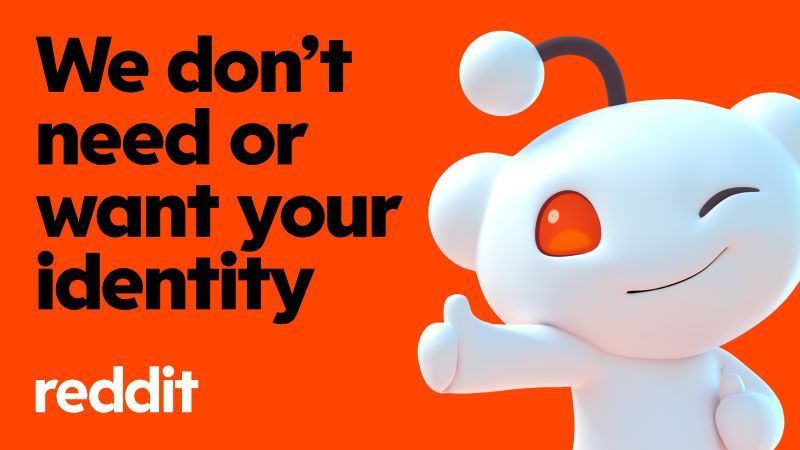
“We don’t need or want your identity. We just need to know you’re human. That distinction is everything.”
The Bot Problem is No Longer Manageable with Legacy Tools
Reddit isn’t alone in facing this. Across social platforms, e-commerce, gaming, financial services and enterprise security, bot armies are advancing faster than traditional defenses can adapt. Recent years have brought a rise in bots flooding social media platforms, where they’ve even been used to conduct secret experiments on unsuspecting users. CAPTCHA is broken. SMS verification is expensive, friction-heavy and trivially bypassed at scale. And demanding government ID creates the kind of privacy backlash that drives users away.
Reddit has threaded the needle: only accounts suspected of being bots face verification challenges, approved automated accounts are clearly labeled, and the underlying philosophy, confirm personhood, not identity keeps user trust intact. That’s not a compromise. That’s the right answer.
“Human Verification is exactly the right balance for the post-AI internet: privacy-safe, frictionless for real users, and totally anonymous.”
Why This Matters Beyond Bots
As Realeyes CEO Mihkel Jäätma noted when the Reddit news broke, this isn’t purely a bot and compliance play. Verified human data is becoming a premium asset. If estimates that half of all online content is now synthetically generated prove accurate, platforms that can guarantee genuinely human interactions will command stronger pricing power in advertising and data licensing deals. Authenticity, at scale, is the next competitive moat.
This is precisely why Realeyes relaunched as a Human Verification technology and why seeing Reddit adopt the same terminology months later validates the direction of travel. Human Verification is emerging as a distinct and necessary category, sitting between the blunt instrument of identity verification and the inadequacy of legacy bot detection.
“If half the data online is already synthetic, wouldn’t you pay a bit more for something verified as uniquely human?”
What Good Human Verification Actually Looks Like
Reddit’s approach: lightweight, privacy-safe, anonymous, maps directly onto what VerifEye MFA delivers. A two-to-three second face verification confirms real human presence without storing a single photo. No government ID. No SMS code to intercept. No friction that drives abandonment. A mathematical embedding is generated and deleted in under one second, making the entire process both GDPR-compliant and PwC-audited.
For platforms wrestling with the same questions Reddit has been asking, how do we know there’s a person there, without knowing who that person is VerifEye is the infrastructure answer. It integrates in days alongside existing platforms like Okta, Auth0 and Microsoft, and costs up to 90% less than SMS at scale.
Reddit has set the standard. The question for every other platform now is how quickly they follow.