

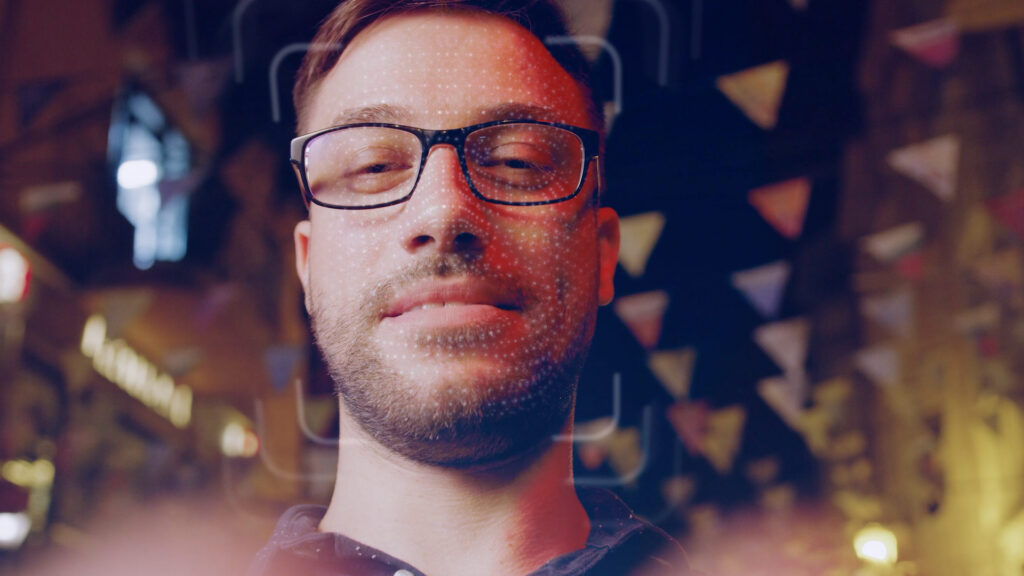
We’ve all been there: trying to log into an app and being asked to blink, smile, or turn your head. It’s clunky, awkward, and adds friction right when you want a smooth experience. For your business, this frustration hurts conversion rates. But real security shouldn’t cost you customers. A passive liveness API solves this by verifying a user is real without them having to do a thing. It’s a seamless, invisible process that keeps your platform safe while making users feel welcome. Let’s break down the top contenders to help you choose the right API for your needs.
Key Takeaways
- Prioritize a frictionless user experience: Passive liveness detection confirms a user is real without asking them to perform specific actions. This seamless process is key to reducing drop-off rates during critical moments like onboarding or checkout.
- Put APIs to a real-world test: A demo is not enough. Use free trials to see how a solution performs with different devices, in poor lighting, and against actual spoofing attempts to verify its accuracy and reliability before you commit.
- Verify security and compliance credentials: Since you are handling sensitive biometric data, partner with providers who can prove their security. Look for third-party certifications like iBeta PAD and clear compliance with data privacy laws like GDPR.
What Is Passive Liveness Detection?
Passive liveness detection is a security feature that quietly confirms a user is a real, live person in front of a camera. Think of it as a smart, subtle bouncer for your digital front door. Its main job is to distinguish between a genuine human and a “presentation attack,” which is a technical term for someone trying to fool the system with a fake. This could be anything from a printed photo or a video on a screen to a highly realistic deepfake. As bots and fraudulent accounts become more common, this technology is essential for building trust online.
For any platform that relies on authentic human interaction, from financial institutions verifying payments to online communities protecting their members, proving liveness is key. Passive detection does this without adding friction, ensuring that your real users can get through quickly while keeping bad actors out. It’s a way to protect your systems and communities from the growing threat of digital impersonation, making sure the interactions that power your business are genuine. This technology helps maintain the human element in an increasingly automated world, giving you confidence in who you’re interacting with.
Also Known as Face Anti-Spoofing
You’ll often hear passive liveness detection referred to by its more technical name: Face Anti-Spoofing. It sounds a bit like something out of a spy movie, but the concept is straightforward. “Spoofing” is the industry term for an attempt to trick a system into thinking a fake is real. These are also known as presentation attacks, and they can range from someone holding up a printed photo or a video on a phone to more sophisticated deepfakes. The “anti-spoofing” part is where the technology shines, as it’s designed to instantly tell the difference between a live person and a digital fake-out. The goal is to stop these fraudulent attempts in their tracks without ever asking your legitimate users to do a thing, keeping the experience smooth and secure.
How Does the Technology Actually Work?
The beauty of passive liveness detection is that it works entirely in the background, creating a completely effortless experience for the user. Instead of asking someone to perform specific actions, the technology analyzes a single selfie or a short, silent video clip. It uses sophisticated AI to look for subtle, natural cues that are incredibly difficult to fake. These can include tiny, involuntary eye movements, natural skin textures, and the way light reflects off a person’s face. This approach allows the system to verify human presence without the user even knowing a security check is happening.
Confirming Presence, Not Just Matching Identity
It’s easy to confuse liveness detection with identity verification, but they serve two very different purposes. Identity verification answers the question, “Is this the right person?” by matching a selfie to a document like a driver’s license. Liveness detection, on the other hand, answers a more fundamental question: “Is this a real person, right now?” This distinction is crucial for security. Without it, a fraudster could use a stolen photo or a convincing deepfake to pass an identity check. Passive liveness acts as the essential second step, confirming that a living, breathing person is physically present for the interaction. It’s the critical safeguard against presentation attacks, ensuring the user you’re verifying is genuine and not just a digital impersonation.
Analyzing Pixel-Level Changes and Subtle Cues
So, how does the AI actually spot a fake? It’s trained to look for the tiny, almost imperceptible signs of life that are incredibly difficult to replicate. The technology analyzes a single image or a short video, examining pixel-level details for natural human characteristics. This includes the subtle textures in skin, the way light reflects and creates shadows on a three-dimensional face, and involuntary movements like the natural flicker of a person’s eyes. These elements combine to create a strong biometric signal that proves liveness. A static photo lacks these dynamic cues, and even a video replay often fails to reproduce the subtle, random variations of a living person, making this a powerful tool against increasingly common deepfake threats.
Passive vs. Active Liveness Detection
To understand what makes passive liveness so effective, it helps to compare it to its counterpart: active liveness. Active methods require the user to follow specific on-screen instructions, like blinking, smiling on command, or turning their head from side to side. While this approach can be secure, it often slows down the process and can feel clunky or frustrating for users. Passive liveness, on the other hand, is completely seamless. It analyzes the user’s image without any special instructions, making it one of the most user-friendly security tools available for identity verification.
Why Choose a Passive Liveness Check?
When you’re deciding between active and passive liveness detection, the choice often comes down to a simple question: How can you confirm a user is real without frustrating them? While active checks add a layer of security, they also add friction. Asking users to follow specific instructions like smiling or turning their head can lead to high drop-off rates, especially if the technology struggles with different lighting conditions or camera qualities. This is where passive liveness shines. It answers the need for robust security without making users jump through hoops, which is essential for keeping your conversion funnels healthy.
Passive liveness verification works quietly in the background, analyzing a selfie or a short video clip without requiring any special actions from the user. It’s a seamless, one-step process that feels effortless. For businesses, this means you can implement strong security measures that protect your platform from fraud without compromising the user experience. It’s the ideal balance of robust protection and smooth, intuitive design, making it a powerful tool for authenticating users at scale while keeping your onboarding process quick and simple. By removing the burden from the user, you create a more welcoming and efficient digital environment that builds trust from the very first interaction.
Offer a Smoother, Faster User Experience
The biggest advantage of a passive liveness check is how little it asks of your users. Instead of a multi-step instructional process, the check happens instantly behind the scenes. As Vouched notes, this approach offers a much smoother experience because it removes the potential for user error and frustration. People don’t have to worry about perfect lighting, holding their phone at the right angle, or performing an action correctly. The technology simply analyzes a still image or a brief video frame, making the verification process feel invisible. This frictionless approach is key to reducing abandonment during critical moments like account creation or transaction approvals.
Strengthen Your Security Against Spoofing Attacks
While it might seem like a simpler process, passive liveness detection often provides more sophisticated security. As fraud techniques evolve, bad actors are using advanced tools like deepfakes and high-resolution masks to trick basic systems. Passive checks are designed to combat these modern threats. They use advanced AI to analyze subtle, involuntary cues that are nearly impossible to fake, such as skin texture, pupil dilation, and the way light reflects off a person’s face. This method is incredibly effective at identifying sophisticated spoofing attacks, including replay attacks and digital injection attacks, offering a stronger defense than many active methods.
Stopping Advanced Spoofs Like 3D Masks
Fraudsters are constantly getting more creative, moving far beyond simple printed photos. Today’s threats include hyper-realistic 3D masks, high-resolution video replays, and convincing deepfakes designed to fool basic security systems. While an active check might ask a user to blink, a sophisticated video spoof can mimic that action. This is where passive liveness detection proves its strength. Instead of looking for a performed action, it analyzes the intrinsic, involuntary signs of a living person. This technology is specifically designed to combat these modern threats by using advanced AI to spot subtle cues that are nearly impossible for a fraudster to replicate, like natural skin texture, micro-expressions, and the unique way light reflects from a human eye.
Quantifying the Impact on Fraud Reduction
Implementing a passive liveness check has a direct and measurable impact on reducing fraud. By accurately identifying and blocking sophisticated spoofing attempts at the point of entry, you prevent fraudulent accounts from ever being created. This immediately protects your platform from fake users, account takeovers, and financial losses. But the impact isn’t just about stopping bad actors. A crucial part of fraud reduction is ensuring your security measures don’t accidentally block legitimate customers. The seamless, one-step process of a passive check ensures real users have a smooth experience, which builds trust from their very first interaction and keeps your conversion rates healthy. This dual benefit—stronger security and a better user experience—creates a more resilient and welcoming digital environment.
Easily Scale for High-Volume Verification
For platforms that handle thousands or even millions of user verifications, speed and efficiency are critical. Passive liveness checks are built for scale. Because the process is automated and requires no specific user action, it’s incredibly fast, often delivering a result in seconds. This speed is essential for maintaining a positive user experience and preventing bottlenecks in your system. A fast, reliable API ensures you can authenticate users quickly without sacrificing accuracy, even during periods of high traffic. This makes it the perfect solution for growing businesses that need a security system that can keep up with their user base.
Choosing a Passive Liveness API: Key Features to Consider
Look for High Accuracy in Real-World Conditions
The most critical feature of any liveness API is its ability to perform accurately where it matters: in the hands of your users. This means it needs to be exceptional at detecting spoofing attempts, like someone holding up a photo or a video, while correctly verifying legitimate users. A high rate of false rejections can frustrate real people and lead to drop-off, while a low detection rate for fakes compromises your security. The API must strike a perfect balance, delivering a decision in seconds. Look for providers who are transparent about their performance metrics against common presentation attack methods and can prove their system works reliably for your user base.
Understanding False Acceptance and Rejection Rates
When you’re looking at an API’s accuracy, two key metrics will come up: the False Acceptance Rate (FAR) and the False Rejection Rate (FRR). Think of FAR as the percentage of times the system gets tricked by a spoof attack—like a photo or deepfake—and accepts it as a real person. That’s your security risk. On the other hand, FRR is the rate at which the system incorrectly flags a genuine user as a fake. That’s your user experience risk. These two numbers are always in a delicate balance. A system that’s too strict will have a low FAR but will frustrate legitimate users with a high FRR, causing them to drop off. One that’s too relaxed creates a seamless experience but opens your platform to fraud. The key is finding a provider that can strike a perfect balance, delivering robust security without hurting usability. Always ask for transparent performance data to see how an API handles this critical trade-off.
Find an API with Easy Integration and a Solid SDK
A powerful API is only useful if your team can implement it efficiently. A high-quality, well-documented Software Development Kit (SDK) is non-negotiable. The SDK should be straightforward for developers to use, with clear code examples and compatibility across all the platforms you support, including web, iOS, and Android. The goal is to get the liveness check running in your application with minimal friction. Before committing, evaluate the provider’s developer portal and support resources. A great developer experience signals that the provider is a true partner, invested in helping you get the most out of their technology without causing headaches for your engineering team.
The API as the Brain, the SDK as the Body
It helps to think about how these two components work together. The Application Programming Interface (API) is the “brain” of the operation. It’s the powerful engine that performs the complex analysis, examining the image to detect subtle liveness cues and delivering a definitive yes-or-no answer. The Software Development Kit (SDK), on the other hand, is the “body.” It’s a collection of tools, code libraries, and instructions that allows your developers to easily connect your application to the API’s brain. A great API can’t do its job if the SDK is clunky or difficult to use, just as a brilliant mind needs a functional body to interact with the world.
Developer Resources: Documentation, Code Samples, and Test Environments
The quality of a provider’s developer resources can make or break your integration project. Before you commit, take a close look at their documentation. Is it clear, comprehensive, and easy to search? A great API provider will offer a robust SDK with support for all the platforms you need—web, iOS, and Android—along with ready-to-use code samples that your team can adapt. This drastically reduces development time and minimizes implementation errors. You should also look for a sandbox or testing environment that lets you test the API’s performance against various scenarios before it goes live, ensuring a smooth and secure launch.
Choose Fast Processing That Adapts to Any Environment
Passive liveness checks are designed to be seamless, and that seamlessness depends on speed and flexibility. The API must process the check almost instantly, without the user even noticing it happened. It also needs to perform reliably under a wide range of conditions. Your users won’t always have perfect studio lighting or the latest smartphone. The technology should adapt to low-light situations, varying camera qualities, and different network speeds. Furthermore, it must work equally well for people with diverse skin tones and facial features to ensure an equitable and inclusive user experience. An API that fails in imperfect conditions will only create friction and alienate users.
How Fast Is Fast? Sub-Second Verification Speeds
When we talk about speed, we mean truly instantaneous. A passive liveness check should be so fast that it feels invisible to the user, delivering a definitive result in less time than it takes for a page to load. Top-tier APIs can check faces in well under a second, with some processing times as low as 200 milliseconds. This sub-second speed is more than just a technical benchmark; it’s what makes the entire process seamless. Anything longer introduces a noticeable pause that can feel like lag and create friction during critical moments like payment authorization or account login. By completing the check almost instantly, the technology confirms a user’s presence without interrupting their flow, making it an integral part of a smooth and secure user journey.
Lightweight SDKs for Mobile and Low-Bandwidth Use
A fast API needs an equally efficient Software Development Kit (SDK) to deliver on its promise of a seamless experience. The SDK is what your developers will use to integrate the liveness check into your app, and its performance is critical for real-world use. A lightweight SDK ensures that your application remains responsive and accessible, even for users on older mobile devices or in areas with slow internet connections. It shouldn’t bloat your app’s size or drain a user’s data plan. A high-quality, well-documented SDK is non-negotiable for a smooth implementation process. By choosing a provider with a lean and efficient SDK, you ensure that your security measures enhance your platform without excluding users or compromising performance.
Don’t Overlook Strong Privacy and Compliance
Handling biometric data comes with serious responsibility. Your chosen API provider must demonstrate a strong commitment to privacy and data protection. This means adhering to major regulations like GDPR in Europe and CCPA in California. Ask potential vendors for their compliance documentation and how they handle data storage and processing. Look for solutions that have earned key security certifications, such as ISO/IEC 30107-3 and an iBeta Presentation Attack Detection (PAD) certification. These third-party validations confirm that the technology has been rigorously tested against sophisticated spoofing attacks and meets global standards for security and reliability.
Understanding the Passive Liveness API Market
Once you know what features to look for, the next step is to understand the different types of providers out there. The passive liveness market isn’t a one-size-fits-all space. You’ll find everything from massive, all-in-one identity platforms to nimble, specialized companies that focus on doing one thing exceptionally well. Your choice will depend on your existing tech stack, your security needs, and the kind of user experience you want to create. Knowing the landscape will help you narrow down your options and find a partner that truly fits your goals, rather than trying to force a solution that doesn’t align with your platform’s specific needs.
Full-System vs. Specialized Providers
The market is generally split between two camps: full-system providers and specialized providers. Full-system vendors offer a broad suite of identity verification (IDV) tools, bundling liveness detection with other services like document scanning, background checks, and KYC (Know Your Customer) compliance. This can be a convenient one-stop-shop if you’re building an entire identity workflow from scratch. On the other hand, specialized providers focus exclusively on liveness detection. They pour all their resources into perfecting this one piece of technology, often resulting in a more accurate, faster, and more secure solution for that specific task. If you already have parts of an IDV system in place or simply need the best-in-class liveness check, a specialized provider is likely your best bet.
Platform-Specific Solutions
As you evaluate vendors, consider how their solution will fit into your unique environment. A generic API might not align with the specific needs of your platform, whether you run an e-commerce site, a neobank, or a social media community. The best solutions are designed for seamless integration, allowing you to enhance the user experience without disrupting existing workflows. For example, a financial app might need a liveness check at the point of a large transaction, while a social platform might use it to prevent bot accounts during signup. A flexible, specialized API can be easily plugged into these different moments, ensuring the security check feels like a natural part of the user journey rather than a clunky, tacked-on feature.
High-Security and Government-Focused SDKs
For industries with heightened security and regulatory demands, like finance or government services, not just any liveness check will do. These sectors require solutions that meet strict compliance standards for handling sensitive biometric data, such as GDPR and CCPA. It’s crucial to look for providers with third-party certifications, like ISO/IEC 30107-3, which validate the technology’s effectiveness against sophisticated spoofing attacks. These high-security SDKs often go beyond a simple liveness check, offering advanced features that can be integrated into a multi-factor authentication flow. This provides an essential layer of protection in environments where the risk of fraud is high, giving you confidence that your platform and its users are secure.
Comparing the 8 Best Passive Liveness Check APIs
Choosing the right passive liveness API is a critical decision for any platform that relies on authentic human interaction. The ideal solution needs to be more than just secure; it must be fast, accurate, and so seamless that your users barely notice it’s there. A clunky or slow verification process can lead to high drop-off rates, frustrating the very people you’re trying to protect and serve. On the other hand, a system that’s too lenient can open the door to sophisticated spoofing attacks from bad actors using deepfakes, masks, or presentation attacks.
To help you find the perfect fit, I’ve compiled a list of the top passive liveness check APIs available today. Each of these providers excels at balancing robust security with a frictionless user experience. They offer powerful tools that integrate smoothly into existing workflows, helping you confirm user presence without adding unnecessary steps. Whether you need a standalone liveness check or a comprehensive identity verification suite that includes document scanning, this list covers the leading solutions that can help you build and maintain trust with your audience.
1. Realeyes VerifEye
Realeyes VerifEye is designed with the user experience at its core, offering a powerful and completely passive liveness check. The technology works quietly in the background to confirm a real human is present, eliminating the need for users to perform any actions like smiling or turning their head. This frictionless approach is ideal for platforms that need to authenticate users at scale without causing frustration or abandonment. The API integrates seamlessly into existing applications, providing a robust defense against spoofing and bot-driven fraud. For developers looking to test its capabilities, Realeyes offers a liveness detection API free trial that allows you to see the technology in action.
2. FaceTec ZoOm
FaceTec is widely recognized for its advanced 3D facial recognition technology, which adds a significant layer of security to the verification process. Their ZoOm API provides a passive liveness check that is both highly secure and user-friendly, ensuring that authentication feels effortless. By creating a 3D face map, ZoOm can effectively defend against sophisticated spoofing attempts, including those using high-resolution photos or videos. This makes it a strong choice for high-stakes applications in finance and security. The technology is built to confirm liveness without requiring awkward user actions, striking a great balance between top-tier security and a smooth customer journey.
3. ID R&D IDLive Face
ID R&D’s IDLive Face is a top contender for platforms where security is the highest priority. This API is known for its robust anti-spoofing measures, which are specifically engineered to detect and block presentation attacks with remarkable accuracy. While its security is formidable, IDLive Face is also designed to be incredibly user-friendly, operating passively to minimize friction during onboarding and authentication. It’s a single-image solution, meaning it can determine liveness from just one frame, making the process exceptionally fast. This combination of speed, security, and simplicity makes it one of the best facial verification APIs for businesses that can’t afford to compromise on protection.
4. Microblink BlinkID
Microblink takes a comprehensive approach to identity verification with its BlinkID solution. This API uniquely combines liveness detection with automated document scanning, creating a single, streamlined workflow for user onboarding. Users can simply scan their ID, and BlinkID extracts the data while simultaneously performing a passive liveness check to ensure the person holding the document is its rightful owner. This all-in-one system is incredibly fast and efficient, reducing the manual effort required from both the user and your internal teams. It’s an excellent choice for platforms that need to verify identity documents and confirm human presence in one seamless step.
5. Regula Face SDK
Regula’s Face SDK is a versatile and comprehensive toolkit designed for applications that require both facial recognition and liveness detection. It offers a highly accurate passive liveness check that works effectively across a wide range of devices and lighting conditions. The SDK is built to be flexible, making it suitable for diverse industries, from banking to remote proctoring. Regula provides a balanced solution that doesn’t force you to choose between strong security and a positive user experience. Its ability to reliably verify identities while preventing spoofing makes it a trusted choice for developers building secure and scalable applications.
6. Identomat Liveness Detection
Identomat specializes in creating liveness detection solutions that are straightforward to integrate and simple for customers to use. Their API is built around the principle of providing secure verification without creating unnecessary hurdles for the user. The passive liveness check is quick and intuitive, helping platforms reduce drop-off rates during critical processes like account creation or transaction approvals. Identomat focuses on delivering a reliable and secure experience that feels effortless, making it a great option for companies that want to implement strong anti-spoofing measures while maintaining a user-centric approach to their design and workflow.
7. Onfido Smart Capture SDK
Onfido’s Smart Capture SDK offers a sophisticated, multi-layered approach to identity verification. It combines document verification with a passive liveness check to create a streamlined and secure authentication process. The SDK guides users through capturing a high-quality image of their ID and a selfie, using advanced AI to analyze the documents for fraud and confirm the user’s presence. Onfido’s technology is designed to enhance security while providing clear, real-time feedback to the user, ensuring a high success rate. This makes it a popular choice among leading platforms that need a reliable and user-friendly way to verify identities online.
8. Jumio Authentication
Jumio is a well-established name in the identity verification space, and its authentication solutions include advanced passive liveness detection to combat fraud. Their API is designed to be intuitive, allowing users to complete the verification process quickly and securely from any device. Jumio uses informed AI and a massive dataset of real-world IDs to deliver highly accurate results, effectively stopping bad actors while providing a smooth experience for legitimate users. The platform’s focus on preventing financial crime and protecting online ecosystems makes it a go-to solution for businesses in regulated industries that require a high degree of trust and compliance.
How Top APIs Handle Privacy and Compliance
When you’re verifying that a user is a real, live person, you’re handling some of their most sensitive information: their biometric data. This isn’t just a technical challenge; it’s a massive responsibility. The best passive liveness APIs are built on a foundation of trust, which means they take privacy and legal compliance as seriously as they take security. Choosing a partner isn’t just about finding the most accurate algorithm. It’s about finding a provider who can help you protect your users and your business from legal and reputational risks.
A great API provider won’t just hand you a tool and walk away. They’ll be a partner in compliance, offering transparent documentation and features designed to protect user data from the ground up. As you evaluate your options, you’ll want to look closely at how each provider addresses three key areas: their adherence to global data protection regulations, their industry-specific security certifications, and their technical approach to handling data. These elements are your best indicators of a provider’s commitment to keeping the internet human and safe. Let’s break down what to look for in each of these areas.
Meeting GDPR and CCPA Requirements
If your business operates globally, you’re already familiar with regulations like the General Data Protection Regulation (GDPR) in Europe and the California Consumer Privacy Act (CCPA). These laws set strict rules for how companies can collect, process, and store personal data. Since a facial scan is considered sensitive biometric information, your liveness detection process falls squarely under their jurisdiction. Your API provider must be fully compliant. Ask potential vendors for their compliance documentation and how they support your business in meeting its own data protection obligations. A trustworthy partner will be transparent about their data handling practices and ready to provide the paperwork you need for audits.
Expanding Compliance to HIPAA and Other Regulations
Beyond the well-known privacy laws, your industry might have its own set of rules. For example, if you’re in the healthcare space, you need to consider the Health Insurance Portability and Accountability Act (HIPAA). This regulation governs how protected health information is handled, and biometric data can easily fall into this category. A top-tier API provider understands these nuances and can demonstrate how their solution supports your specific compliance needs. They should be able to articulate how their technology helps you maintain security without creating additional regulatory burdens. This level of specialized knowledge is a clear sign that you’re working with an expert, not just a software vendor.
Preparing for Audits and Certifications
When it comes to security, you can’t just take a provider’s word for it—you need proof. This is where third-party certifications become essential. Look for solutions that have been independently tested and validated against global standards. Key credentials to look for include an iBeta Presentation Attack Detection (PAD) certification, which confirms the technology has been rigorously tested against sophisticated spoofing attacks. Another important one is ISO/IEC 30107-3, which sets the standard for biometric presentation attack detection. These certifications aren’t just marketing fluff; they are independent proof that the API can protect your platform from real-world threats, giving you the confidence you need to prepare for any security audit.
What Do Certifications Like ISO and iBeta Mean?
Beyond general data privacy laws, you should also look for certifications specific to biometric security. These aren’t just fancy badges; they are proof that a provider’s technology has undergone rigorous, independent testing against sophisticated spoofing attacks. Two of the most important standards to look for are ISO/IEC 30107-3 and iBeta Presentation Attack Detection (PAD) certification. A provider with iBeta Level 1 or 2 PAD compliance has demonstrated that its system can successfully detect and reject fakes, like printed photos, digital screens, and masks. These certifications give you confidence that the API’s security claims have been verified by a neutral third party.
How On-Device Processing Protects User Data
One of the most effective ways to protect user privacy is to minimize how much data you collect and transmit in the first place. This is where on-device processing comes in. Instead of sending a user’s video stream to a cloud server for analysis, this approach performs the liveness check directly on the user’s phone or computer. The raw biometric data never leaves the device. Only a simple, anonymous signal confirming liveness is sent back to your system. This privacy-by-design approach significantly reduces risk and can also result in faster processing times, creating a better user experience. When evaluating APIs, ask if they offer on-device processing as an option.
Preparing for Common Implementation Challenges
Integrating a passive liveness API is a huge step toward securing your platform, but it’s not always a simple copy-and-paste job. Like any powerful technology, it comes with a few hurdles you’ll want to anticipate. Being aware of these common challenges ahead of time can help you plan a smoother rollout, reduce headaches for your development team, and ensure you deliver a great experience for your users from day one. From tricky lighting conditions to complex developer needs, here’s what to prepare for as you get started.
How to Handle Environmental Factors and False Rejections
One of the first challenges you might encounter is the real world itself. Environmental factors like poor lighting, heavy shadows, or even a bright light source behind the user can interfere with a liveness check. When the API can’t get a clear view, it might result in a “false rejection,” where a legitimate user is incorrectly flagged. The best systems are designed to handle this gracefully. Instead of just showing an error message, a quality API will provide real-time feedback, guiding the user with simple instructions like “Move to a brighter area” or “Hold still.” This small feature makes a huge difference in preventing user frustration and ensuring people can successfully authenticate themselves without getting stuck.
Creating a Backup Plan for Failed Checks
Even with helpful real-time feedback, some users will inevitably fail a liveness check. What happens next is critical. A dead-end “Verification Failed” message is a surefire way to lose a customer for good. This is why a well-designed backup plan is just as important as the initial check itself. Instead of locking a user out, your system should offer a clear and simple next step. This could mean giving them the option to retry the check, or seamlessly escalating them to an alternative verification method. For any platform that depends on authentic human interaction, having a fallback ensures that a minor technical issue doesn’t derail the entire user journey, protecting both your users and your conversion funnels.
Addressing Complex Integrations and Developer Needs
Your development team’s experience will largely depend on the quality of the vendor’s tools and support. A powerful API is only useful if your team can actually implement it. This is where a well-documented Software Development Kit (SDK) becomes essential. A good API provider offers clear instructions and robust SDKs tailored for different platforms, like web, iOS, and Android, making it much easier to integrate the technology into your existing app or website. Without this, your team could spend weeks trying to solve problems that good documentation would have prevented. Before committing to a solution, make sure it comes with the resources your developers need to succeed.
The Importance of Customization Options
Not every business has the same needs, and your security tools should reflect that. Customization is key for integrating strong identity verification without making the process difficult for your users. This is especially true for industries like online banking, healthcare, and online gaming, where trust and user experience are paramount. For example, a fintech app needs to meet strict KYC requirements while ensuring the onboarding process is smooth enough to prevent potential customers from dropping off. The ability to customize the look, feel, and even the feedback messages of the liveness check makes it feel like a seamless part of your brand, not a jarring third-party interruption.
Standardizing with RESTful APIs and JSON
For your developers, the best API is one they already know how to use. That’s the beauty of solutions built on standard technologies. When a provider uses a RESTful API and JSON, they’re essentially speaking the universal language of web development. This means your engineering team doesn’t have to learn a new, proprietary system from scratch. As MxFace points out, this approach ensures easy integration across different platforms, whether you’re building for the web, iOS, or Android. The result is a faster, more predictable implementation process, which frees up your developers to focus on building features that are unique to your business, rather than wrestling with a difficult integration.
How to Balance Security with User Experience
The ultimate goal is to stop bad actors without frustrating your good customers. This is the classic balancing act between security and user experience. If the verification process is too clunky or demanding, users will simply give up. This is where passive liveness truly shines. By design, it eliminates the need for users to perform specific actions like smiling or turning their head, which makes the entire process faster and feel almost invisible. The ideal solution provides strong fraud detection that works quietly in the background, confirming a user’s presence in a single, seamless step. This approach lets you maintain high security standards while keeping the user journey as smooth as possible.
How to Test and Optimize Your API for Performance
A successful demo in a controlled environment doesn’t always translate to flawless performance in the wild. That’s why rigorous, real-world testing is non-negotiable. Don’t just test the API in a well-lit office on the latest smartphone. Instead, you need to see how it performs under less-than-ideal conditions. Try it on older devices, in dimly lit rooms, and on unstable network connections. It’s also critical to test its resilience against spoofing attempts using photos and videos to see how effectively it detects presentation attacks. This kind of thorough testing will give you true confidence that the solution is robust enough to protect your platform and serve all your users, no matter their device or environment.
Post-Implementation Monitoring and Analysis
Launching your new liveness check is just the first step; the real work begins with ongoing monitoring. Once the API is live, you need to keep a close eye on its performance to make sure it’s effectively stopping fraud without creating headaches for your real customers. This means tracking key metrics like the false rejection rate—how often legitimate users are blocked—and the overall user drop-off rate during the verification flow. Analyzing this data helps you understand how the API is performing in the real world and identify any potential issues, like a sudden spike in rejections that might point to a new type of device or network condition. The goal is to maintain that delicate balance between security and user experience, and continuous analysis is the only way to know you’re getting it right. A good provider will give you the dashboards and data you need to confidently manage this process and ensure the system remains both secure and seamless over time.
Which Industries Benefit Most from Passive Liveness?
The need to verify human presence isn’t confined to a single industry. It’s becoming a foundational requirement for any platform where authentic, human-to-human or human-to-system interaction is the goal. As digital systems become more central to our lives, confirming that a real person is behind the screen is critical for security, safety, and trust. From financial transactions to healthcare consultations, passive liveness detection provides a quiet, effective layer of assurance. It helps businesses protect their operations and their customers from the growing threat of bots, deepfakes, and sophisticated fraud schemes. Let’s look at a few of the sectors where this technology is making the biggest impact.
Financial Services and Digital Banking
When money is on the line, you can’t afford to guess if a user is real. Financial institutions use passive liveness checks to secure everything from new account onboarding to high-value transactions. This technology helps prevent identity fraud by confirming that the person opening an account or accessing funds is physically present and not a fraudster using a stolen photo or video. By integrating a seamless liveness check, banks and fintech companies can strengthen security without adding frustrating steps for their customers, keeping the digital banking experience smooth and trustworthy.
Healthcare and Remote Patient Verification
The rise of telemedicine has made remote patient verification more important than ever. Healthcare providers need to be certain they are speaking with the correct patient to protect sensitive health information and maintain regulatory compliance. Passive liveness detection offers a simple, private way to confirm a patient’s identity before a virtual consultation or when they access their medical records online. This ensures that care is delivered to the right person and that personal health data remains secure, building the trust necessary for telehealth services to function safely and effectively.
Government Services and Identity Management
Government agencies are responsible for safeguarding citizen data and delivering critical services, making secure identity management a top priority. Passive liveness helps ensure that the person applying for benefits, filing taxes, or accessing official records is who they claim to be. By verifying liveness during the identity-proofing process, agencies can prevent identity theft and fraud on a massive scale. This builds public trust in digital government services and ensures that resources are distributed correctly and securely to the intended recipients, without creating barriers for legitimate users.
E-commerce and Platform Authentication
For e-commerce platforms and online marketplaces, passive liveness detection is a powerful tool for reducing fraud. It helps verify that the person making a purchase is the actual account holder, not a bot or someone using stolen credentials. This simple check can significantly cut down on fraudulent transactions and costly chargebacks, protecting the business’s bottom line. More importantly, it creates a safer shopping environment for everyone. When customers know their accounts are secure, they feel more confident making purchases, which helps build loyalty and a strong community around your platform.
Online Gaming and Fair Play
Nothing ruins a competitive match faster than the suspicion that you’re playing against a bot. For online gaming platforms, ensuring fair play is essential for maintaining a vibrant and engaged community. Passive liveness detection is a game-changer here, offering a quiet way to verify that every player is a real person, not an automated script or someone using a stolen account. By confirming human presence at login or during critical moments, platforms can effectively prevent cheating and account takeovers. This maintains the integrity of the competition and ensures that every player can trust they are competing on a level playing field, keeping the focus on skill and fun.
Virtual Events and Attendee Verification
In the world of virtual events, confirming that the right people are in the room is a major security concern. Passive liveness detection provides a seamless way to verify the identity of attendees without adding friction to the login process. This is crucial for protecting exclusive content, maintaining the integrity of paid events, and preventing unauthorized users from gaining access. For organizers, it means enhanced security and accurate attendance tracking. For attendees, it means a smooth, welcoming experience that gets them into the event quickly. This technology ensures that your virtual conference or webinar remains a secure and valuable space for registered participants.
Securing Borders and Facilities
The need to verify identity extends into the physical world, especially in high-security environments. Passive liveness detection plays a vital role in managing access to secure facilities, from corporate data centers to government buildings and border crossings. By confirming that the person presenting an ID is physically present and not using a sophisticated fake like a mask or deepfake video, authorities can significantly enhance security protocols. This technology acts as a powerful, automated check to prevent unauthorized access, adding a critical layer of protection that safeguards sensitive locations and the people within them.
Remote Work Management
As more companies embrace remote work, securing access to sensitive internal systems has become a top priority. Passive liveness detection helps organizations confirm the identity of employees logging in from home, ensuring that only authorized personnel can access company resources and confidential data. This seamless check can be integrated into the login process, providing a strong layer of security without disrupting workflow. It’s an effective way to protect against account takeover and insider threats, maintaining data integrity and giving businesses confidence in their remote work security posture.
How to Test and Evaluate a Passive Liveness API
Choosing the right liveness API isn’t just about comparing feature lists. It’s about finding a solution that integrates smoothly into your product, provides a great experience for your users, and delivers the security you need. A thorough evaluation process is the best way to ensure you’re making a smart investment. This means going beyond the sales pitch and putting the technology to the test in scenarios that reflect your actual use case. You need to see how it performs under pressure, how your developers find the integration process, and what kind of partner the vendor will be when you need help. A poor choice can lead to user frustration, security vulnerabilities, and costly rework. By focusing on hands-on testing, real-world performance, and the quality of the vendor relationship, you can find an API that truly protects your platform and its users. Think of it as a working interview for your new security partner. The goal is to find a solution that not only works on day one but also grows with you, backed by a team you can count on. This evaluation is your chance to verify a vendor’s claims and ensure their technology can handle the complexities of your specific audience and environment before you make a commitment.
Use Free Trials and Proof of Concepts
Before you commit to a long-term contract, take the API for a test drive. Most reputable vendors offer a free trial or a proof-of-concept period, and you should absolutely take advantage of it. Free trials let you test the technology with your own users and systems to see how it really works before you buy. This is your chance to see how easy the SDK is to implement and how the API performs within your existing tech stack. A liveness detection API free trial gives your development team a feel for the integration process and helps you gauge the end-user experience firsthand, which is something you can’t get from a demo alone.
Test Performance in Real-World Scenarios
A liveness check that only works in a perfectly lit lab isn’t going to cut it. Your users will be in all sorts of environments, so your testing should be, too. Don’t just test in perfect settings; try the API on older phones, in bad lighting, and with users who have different skin tones or wear glasses. You also need to test its resilience against spoofing attacks. Pit the API against presentation attacks, like holding up a high-resolution photo or a video of a person’s face, to see how well it distinguishes a live person from a fake. This kind of rigorous, real-world testing is the only way to confirm an API’s accuracy and reliability.
Compare Pricing Models and Total Cost
Pricing for liveness APIs can vary quite a bit, so it’s important to understand the different models and how they’ll impact your budget over time. Some vendors charge per check, others offer tiered monthly or annual subscriptions, and many provide custom enterprise plans. When evaluating cost, think about your projected volume. A pay-per-check model might seem affordable for a startup, but it can become expensive as you scale. Be sure to plan for future costs and understand how pricing works after any trial period. Choose a transparent pricing structure that aligns with your business growth and won’t lead to surprise bills down the road.
Pay-Per-Use vs. Subscription Models
As you compare vendors, you’ll likely encounter two main pricing structures: pay-per-use and subscriptions. A pay-per-use, or per-check, model charges you for each liveness verification you perform. This can be a great starting point if your volume is low or unpredictable, but be aware that the costs can add up quickly as your platform grows. On the other hand, a subscription model offers a set price for a certain number of checks per month or year, providing more predictable costs for businesses with higher or more consistent volume. The key is to project your future needs. A model that seems cheap today could become a financial burden tomorrow, so it’s crucial to choose a partner with a transparent pricing structure that can scale with your business.
Evaluate Vendor Support and Documentation
The best technology can fall flat without strong support from the vendor. When you’re evaluating an API, you’re also choosing a partner. Look for a company that provides clear, comprehensive developer documentation and offers responsive technical support. During your trial period, pay attention to how quickly and effectively they answer your team’s questions. A good partner is also transparent about how they handle user data and maintain compliance with regulations like GDPR. This combination of great tech and a supportive team is what sets the best vendors apart and ensures a successful long-term relationship.
Related Articles
- Passive Liveness vs Active Liveness: Which Is Best?
- Liveness Detection for AI Fraud: An Essential Guide
- What Is Liveness Detection? The Ultimate Guide
Frequently Asked Questions
What is the real difference between passive and active liveness detection? Think of it this way: active liveness detection gives the user a command, like “smile” or “turn your head,” to prove they are real. Passive liveness detection, on the other hand, works silently in the background. It analyzes a single selfie or a very short video clip to find the subtle, natural cues of a living person, like tiny eye movements or skin texture, without ever asking the user to do anything. The entire check happens instantly and invisibly.
How effective is passive liveness against advanced fakes like deepfakes? It’s highly effective, and in many cases, it’s the best defense against these modern threats. Sophisticated passive systems are specifically trained to spot the subtle digital artifacts and unnatural movements that even the best deepfakes can’t hide. While active checks can sometimes be fooled by a high-quality video replay, passive technology analyzes involuntary biological cues that are nearly impossible to replicate digitally, offering a stronger layer of security.
Will this technology work for all of my users, regardless of their device or appearance? Yes, a high-quality passive liveness API is designed for inclusivity and real-world conditions. The best solutions are tested extensively across a wide range of skin tones, ages, and facial features to ensure fairness and accuracy for everyone. They are also built to adapt to different environments, performing reliably on older smartphones, in low lighting, and on slower network connections, so you can provide a consistent experience for your entire user base.
What happens to my users’ biometric data? Reputable providers prioritize user privacy above all else. The most secure systems use on-device processing, which means the liveness analysis happens directly on the user’s phone or computer. The raw facial data never leaves their device. The only thing sent to your servers is a simple, anonymous confirmation that a live person was detected. This approach drastically reduces data privacy risks and helps you comply with regulations like GDPR.
How difficult is it to add a passive liveness API to my platform? Integrating a quality API is usually quite straightforward for a development team. The best providers offer a well-documented Software Development Kit (SDK) with clear instructions and code samples for web, iOS, and Android platforms. This makes the implementation process much smoother. Many vendors also offer free trials, allowing your team to test the integration and see how it works within your existing application before making a final commitment.