

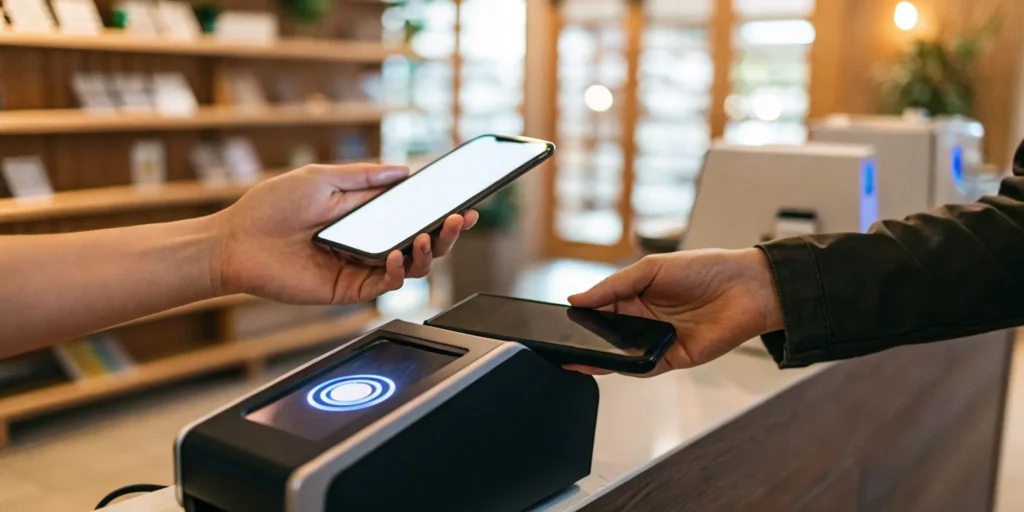
Your loyalty program was designed for your best human customers, but it’s increasingly under attack by bots and automated fraud. These bad actors exploit weak security to drain rewards and undermine the system, creating a problem that goes beyond financial loss. It erodes the very foundation of trust between you and your community. How can you be sure a real person is behind every login and redemption? The answer lies in proving human presence. Using biometric verification for loyalty programs provides that proof, creating a strong link between a digital account and the living, breathing person it belongs to, keeping your program human-centric and secure.
Key Takeaways
- Strengthen Security Without Frustrating Users: Biometrics replace weak, forgotten passwords with a fast, simple login, protecting accounts from fraud while improving the customer experience.
- Build Trust by Putting Customers in Control: Be completely transparent about how you handle biometric data and always provide opt-in choices and alternative security methods to respect user privacy and preferences.
- Use Biometrics as Part of a Layered Defense: For the highest level of security, use biometric verification as one component of a multi-factor authentication (MFA) strategy, making it significantly harder for fraudsters to breach accounts.
What Is Biometric Verification?
At its core, biometric verification is a way to confirm someone’s identity using their unique biological traits. Think of it as a high-tech key that only one person can possess. Instead of asking a customer to remember a password or find a loyalty card, this technology lets them prove who they are with a simple, personal action, like a quick glance at their phone’s camera or a touch of a finger. It’s a method of authentication that ties an account directly to the real, living person who owns it, making it much harder for fraudsters to gain access. For loyalty programs, this approach offers a powerful way to secure accounts without adding frustrating steps for your best customers.
Common Types of Biometric Data
When we talk about biometrics, we’re referring to a person’s unique characteristics. These can be split into two main categories. The first is physical biometrics, which includes features like fingerprints, facial structure, and the pattern of an iris. These are the types you’re likely most familiar with from unlocking your smartphone. The second category is behavioral biometrics, which are patterns in how we do things. This could be anything from the rhythm of your typing to the sound of your voice. Each of these traits can be converted into a digital signature that is exceptionally difficult to forge, providing a strong layer of security for customer accounts.
Weighing Security and User Comfort
Adding stronger security to your loyalty program doesn’t have to come at the cost of a good customer experience. While traditional methods like passwords can feel cumbersome, biometrics often make logging in faster and easier. This is where you can strike a perfect balance between protection and convenience. By implementing modern security measures, you send a clear message to your customers that you value their safety and privacy. This act of protecting loyalty programs from online threats does more than just prevent fraud; it builds a deeper sense of trust and strengthens the relationship you have with your audience.
The Verification Process, Step by Step
So, how does it work in practice? The process is straightforward and happens in two key phases. First is enrollment, where a customer provides their biometric data for the first time. For example, they might scan their face using their device’s camera. The system then analyzes this scan and converts it into a secure, encrypted digital template, not an actual image. Later, during verification, the customer simply scans their face again. The system compares this new scan to the stored template. If they match, access is granted instantly. This entire exchange happens in seconds, creating a seamless and secure login experience.
Security Risks in Traditional Loyalty Programs
Loyalty programs are built on a foundation of trust and value. You offer points, discounts, and exclusive access, and in return, customers give you their repeat business. But the very value that makes these programs attractive also makes them a prime target for fraud. When your security measures haven’t kept pace with the sophistication of modern threats, you risk undermining the entire system. The traditional methods we’ve relied on for years, like simple passwords, are often the weakest link in the chain, leaving both your customers and your brand exposed.
For enterprises, the stakes are incredibly high. A security breach isn’t just a financial problem; it’s a trust catastrophe. When customers feel their data and hard-earned rewards are unsafe, their loyalty evaporates. Protecting these programs isn’t just about stopping fraud, it’s about preserving the customer relationships you’ve worked so hard to build. As bad actors get more creative, relying on outdated security feels like putting a padlock on a screen door. It gives a false sense of security while leaving the door wide open for exploitation. Let’s look at exactly where the old models of security fall short and why a new approach is necessary to maintain integrity and trust.
The Trouble with Passwords and Account Takeovers
Many loyalty accounts are easy targets because they are often protected by nothing more than a password. This opens the door for Account Takeover (ATO) attacks, where a fraudster gets into a customer’s account to steal rewards, make unauthorized purchases, or access personal information. These attacks are more than just a nuisance; they create direct financial losses and severely damage your brand’s reputation. Once a customer’s trust is broken, it’s incredibly difficult to win back. The reality is that a simple password is no longer enough to protect the valuable assets stored in a loyalty account.
Where Traditional Authentication Falls Short
The core problem is that old authentication methods like passwords and PINs are fundamentally flawed. They can be stolen in data breaches, guessed through brute-force attacks, or phished from unsuspecting customers. As one security provider notes, these traditional credentials are easy to steal or forget, creating a constant security risk and a point of friction for users. In contrast, biometric authentication uses unique biological traits, like a person’s face or fingerprint. These identifiers are extremely difficult to copy or steal, providing a much stronger defense against the identity fraud that plagues so many online platforms today.
What Are the Benefits of Biometric Verification?
When you think about adding a new technology to your loyalty program, the first question is always, “Is it worth the effort?” With biometric verification, the answer is a resounding yes. The advantages go far beyond just tightening up security. Implementing biometrics is about fundamentally improving the relationship you have with your customers by making their experience safer, faster, and more seamless. It’s a powerful way to show them you value their time and their trust.
Traditional loyalty programs often struggle with a trade-off between security and convenience. Complex passwords and multi-step logins can frustrate users, while simple ones leave accounts vulnerable to takeover. Biometrics solve this dilemma. By using a person’s unique biological traits, like their face or fingerprint, you create a login method that is both incredibly secure and remarkably simple. This shift doesn’t just patch a security hole; it transforms a point of friction into a moment of effortless interaction, strengthening your brand with every login. It’s a strategic move that protects your assets, delights your customers, and builds a foundation of trust that rewards can’t buy.
Prevent Fraud and Protect Accounts
Loyalty programs are a goldmine for fraudsters. With billions of dollars in rewards points sitting in customer accounts, it’s no surprise that they are prime targets. Criminals specialize in Account Takeover (ATO) attacks, where they use stolen credentials to break into accounts, drain points, and access personal information. This not only costs your business money but also damages your reputation.
Biometric verification provides a powerful defense. Unlike a password, a person’s face or fingerprint can’t be easily stolen or replicated. By requiring a quick biometric scan to access an account or redeem rewards, you create a barrier that stops criminals in their tracks. This simple step ensures that the person accessing the account is the legitimate owner, protecting your customers’ hard-earned rewards and your company’s bottom line.
Create a Faster, Smoother Customer Experience
Let’s be honest: no one likes remembering passwords. The friction of forgotten credentials and reset emails can be enough to make a customer abandon a purchase or stop engaging with your loyalty program altogether. Biometric authentication removes this hurdle entirely. Instead of typing a complex password, your customers can log in with a simple glance or touch.
This creates a faster, more modern interaction that feels effortless. As research from Verifone highlights, biometrics can significantly improve customer experiences by making transactions smoother and more intuitive. When accessing rewards is as easy as unlocking their phone, customers are more likely to engage with your program regularly. This seamless experience shows respect for their time and makes your brand feel more integrated into their daily lives.
Build Stronger Brand Trust
Trust is the cornerstone of customer loyalty, and nothing erodes it faster than a security breach. When you actively work to protect customers from fraud, you send a clear message: we care about your safety. Implementing biometric verification is a visible commitment to securing their personal information and rewards. Customers notice when a brand goes the extra mile for their security, and it makes them feel safer and more confident in their interactions with you.
This sense of security translates directly into deeper loyalty. It moves the relationship beyond transactional points and discounts into one built on mutual trust and respect. By investing in advanced protection, you’re not just preventing fraud; you’re building brand equity and fostering a loyal community that knows you have their back.
Turn Compliance into a Competitive Edge
Handling sensitive customer data, especially biometrics, comes with serious responsibility. Regulations like GDPR and CCPA have strict rules for how companies must manage and secure personal information. While meeting these requirements can seem daunting, it also presents a unique opportunity to stand out from the competition.
By building a privacy-first biometric system, you demonstrate a strong commitment to data protection. It’s essential that you protect this data with the highest standards of security and transparency. When you do it right, compliance becomes a competitive advantage. You can confidently tell your customers that their information is safe with you, turning a regulatory requirement into a powerful statement about your brand’s integrity and trustworthiness. This can be a key differentiator that attracts and retains security-conscious customers.
What Are the Drawbacks of Biometric Verification?
While biometric verification offers a powerful solution for securing loyalty programs, it’s not a magic bullet. Adopting this technology comes with its own set of challenges that every business needs to consider carefully. These aren’t reasons to dismiss biometrics, but they are critical factors to address for a successful and ethical implementation. From protecting sensitive personal data to managing costs and ensuring the system is accessible to everyone, a thoughtful approach is essential. Getting this right means building a program that not only protects your business but also earns and keeps your customers’ trust.
Addressing Privacy and Data Security
Let’s start with the most personal aspect: privacy. When you ask customers for their biometric data, you’re asking for a piece of their physical identity. It’s natural for people to wonder how that information will be stored, used, and protected. This isn’t just a customer service issue; it’s a legal one. Regulations like the GDPR and CCPA have strict rules about handling personal data, and biometric information is among the most sensitive. To build trust, you must be transparent. Your privacy policy should clearly explain what data you’re collecting, why you need it, and the specific measures you’re taking to keep it secure. Open communication is the first step in making customers feel safe.
The Risk of a Permanent Data Breach
You can reset a stolen password or cancel a compromised credit card, but you can’t get a new fingerprint or face. This is the core risk of biometric data: it’s permanent. If a database containing biometric information is breached, the consequences are far more severe than for other types of data. Once that unique identifier is exposed, it’s compromised forever. This puts an immense responsibility on any company that collects biometric data. Protecting it requires top-tier, multi-layered security protocols that go far beyond standard data protection. The stakes are simply too high to treat biometric data like any other piece of customer information; it demands the highest level of security you can provide.
Handling Implementation Costs and Hurdles
Implementing a biometric verification system is a significant investment. The costs go beyond the initial software license. You may need specialized hardware, like fingerprint scanners or high-resolution cameras, for in-person verification points. The software itself requires integration with your existing loyalty platform and other systems, which can be complex and time-consuming. According to some estimates, installation costs can be 25% to 40% higher in major urban areas. You also need to budget for ongoing maintenance, software updates, and training for your staff. Planning for these financial and operational hurdles from the start is crucial for a smooth rollout and long-term success.
Overcoming User Hesitation and Accessibility Issues
A system is only effective if people can and will use it. Biometric technology isn’t perfect; it can sometimes fail to recognize a legitimate user or, in rare cases, accept the wrong one. Beyond technical glitches, you’ll encounter human hesitation. Some customers will opt out due to privacy concerns, no matter how secure your system is. Furthermore, you must consider digital accessibility. A person with a physical disability might not be able to use a fingerprint scanner or a voice recognition system. The solution is to provide choices. Forcing everyone into a single authentication method is a recipe for exclusion and frustration. Always offer reliable alternatives to ensure every customer feels welcome and can access their account easily.
Is Biometric Verification Right for Your Loyalty Program?
Deciding to integrate biometric verification into your loyalty program is a significant move. On one hand, it offers a powerful solution to the growing problem of account takeovers and bonus abuse, which can erode both profits and customer trust. By confirming a real human is behind every interaction, you protect your members and the integrity of your program. On the other hand, it introduces new considerations around privacy, user experience, and implementation. This isn’t a simple switch you can flip overnight; it’s a strategic decision that requires a clear-eyed look at your goals, your customers, and your capabilities.
The good news is that you don’t have to choose between robust security and a great customer experience. Modern biometric systems are designed to be fast, intuitive, and frictionless. The key is to approach implementation thoughtfully. Before you dive in, it’s essential to weigh the benefits against the potential hurdles. By asking the right questions and planning a privacy-first rollout, you can build a system that not only prevents fraud but also deepens the trust your most loyal customers have in your brand. This section will walk you through the critical factors to consider, from building a privacy-centric framework to layering security for maximum protection.
Key Questions to Ask Before You Start
Before you commit to a biometric solution, it’s important to get clear on your objectives and potential challenges. Loyalty programs are valuable assets for both businesses and customers, but that value also makes them prime targets for online criminals. Start by asking what specific problems you’re trying to solve. Are you seeing a rise in account takeovers? Is bonus abuse cutting into your margins? Understanding your unique risk profile will help you choose the right solution. Also, consider your customers. Will they understand and embrace this change? How will you educate them on the benefits? Finally, assess your internal resources. Do you have the technical team to implement and manage the system, and are you prepared to handle the customer support that comes with it?
How to Build a Privacy-First System
For many customers, the idea of sharing biometric data brings up valid privacy concerns. People naturally worry about how their personal information will be stored and used. The best way to address this is to be transparent from the very beginning. Building a privacy-first system means more than just complying with regulations like GDPR and CCPA; it means making a clear and public commitment to protecting customer data. Your privacy policy should be easy to find, simple to understand, and explicit about what data you collect, how you use it, and the measures you take to secure it. This transparency is crucial for building the trust that turns a security feature into a reason for customers to feel even better about your brand.
Put Customers in Control with Opt-Ins and Alternatives
A successful biometric rollout puts your customers in the driver’s seat. Forcing a new security measure on everyone is a quick way to create friction and frustration. Instead, frame biometric verification as an optional upgrade for enhanced security and convenience. Allow users to opt-in at their own pace. It’s also critical to provide easy-to-use alternatives for those who aren’t ready or able to use biometrics. Modern options like Passkeys or simple phone notifications can provide a secure experience without the biometric component. Providing customers with choices not only respects their autonomy but also improves the overall user experience, making them more likely to engage with your program long-term.
Layering Biometrics with MFA for Added Security
Biometrics are incredibly powerful, but they are even stronger when used as part of a multi-factor authentication (MFA) strategy. MFA adds layers to your security by requiring two or more forms of verification before granting access. Think of it as a “something you know, something you have, and something you are” approach. A password is something you know, your phone is something you have, and your fingerprint or face scan is something you are. Combining these factors makes it exponentially harder for a fraudster to gain access to an account. Using MFA alongside biometrics can significantly enhance security, giving both you and your customers peace of mind that their accounts and rewards are protected by the best defenses available.
Related Articles
- The Ultimate Guide to Digital Identity Verification
- Biometric Authentication for Account Verification 101
- How Biometrics Work Without Storing Your Data
- How Face Verification Will Revolutionize Ad Spend
Frequently Asked Questions
My current password system seems to work fine. Is biometric verification really necessary for a loyalty program? While passwords feel familiar, they are the single biggest vulnerability for most loyalty programs and the main entry point for account takeover attacks. These attacks not only create financial losses but also severely damage the trust you’ve built with your customers. Think of biometric verification less as a simple security patch and more as a strategic upgrade. It secures your program while also removing the friction of forgotten passwords, creating a faster and more modern experience for your members.
How is my customers’ biometric data actually stored? I’m worried about the risk of a data breach. This is a critical question, and it’s important to be clear: a secure biometric system does not store a picture of your customer’s face or a scan of their fingerprint. Instead, the technology analyzes the unique features and converts them into an encrypted digital template, which is essentially a string of code. This template cannot be reverse-engineered to recreate the original biometric data, making it useless to thieves even if a breach were to occur. Your responsibility is to partner with a provider that prioritizes this level of security and is transparent about its methods.
Will I have to force all my customers to use biometrics to access their accounts? Absolutely not, and you shouldn’t. The most successful rollouts treat biometric verification as an optional upgrade that customers can choose for better security and convenience. Forcing a new login method on everyone is a sure way to cause frustration. You should always provide reliable alternatives, like a one-time code sent via SMS or a magic link sent to their email, for customers who are unable or unwilling to opt-in. Giving your customers control is key to a smooth transition.
Is this an all-or-nothing solution, or can I use it for specific actions? Biometric verification is very flexible. You don’t have to require it for every single login. A smarter approach is to use it as a step-up verification for high-risk activities. For instance, you could allow customers to browse their account freely but require a quick face scan when they want to redeem a large number of points or change the personal information on their profile. This adds a strong layer of security precisely where it’s needed most, without creating unnecessary friction for low-risk interactions.
Isn’t implementing a biometric system incredibly expensive and complicated? There is certainly an investment required to implement a biometric system, both in terms of cost and integration time. However, it’s helpful to weigh that against the potential cost of inaction. The direct financial losses from fraud, the damage to your brand’s reputation following a breach, and the erosion of customer loyalty can be far more expensive. A modern biometric solution is an investment in the long-term health, integrity, and trustworthiness of your entire loyalty program.