

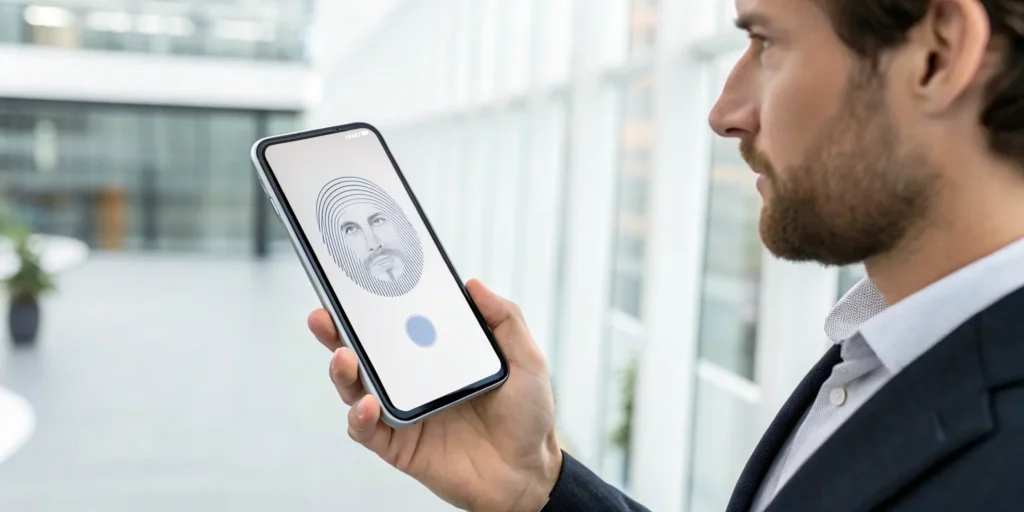
Let’s be honest: asking for your mother’s maiden name to recover an account feels ancient. That kind of personal information is often just a quick social media search away, making old-school security questions a huge liability. The truth is, these knowledge-based methods are broken. The future isn’t about what you remember; it’s about proving who you are, right now. This is where Frictionless Account Recovery comes in. It ditches the outdated questions for modern verification, like a quick selfie, to confirm you’re you and you’re live, securing your account to a trusted device. It’s simpler, smarter, and way more secure.
Key Takeaways
- Treat Recovery as a User Experience Problem: A clunky account recovery process doesn’t just frustrate users—it creates security risks and drives up support costs. By shifting to a frictionless model, you solve a major user pain point, which in turn strengthens security and improves retention.
- Verify Identity, Not Just Knowledge: The strongest recovery systems move beyond what a user knows (like a password or mother’s maiden name) to who they are. Layering technologies like biometrics, device recognition, and behavioral analysis creates a robust defense that confirms a real human is present without adding difficult steps.
- Plan for a Human-Centered Rollout: Successful implementation is about more than just technology; it’s about building trust. Be transparent with users about why you’re making the change, how their data is protected, and how the new process makes their accounts safer and easier to access.
What Is Frictionless Account Recovery?
We’ve all been there: staring at a login screen, completely blanking on the password you set just a few months ago. The recovery process that follows is often a painful mix of obscure security questions (“What was the name of your first pet’s favorite toy?”) and waiting for a text message that seems to take forever to arrive. Frictionless account recovery is the modern answer to this all-too-common headache. It’s an automated process that lets your users get back into their accounts quickly and securely, without the usual frustrating hoops to jump through.
Think of it as an express lane for account access. Instead of making users prove their identity through things they might forget, it uses things they are—like their face—or things they have, like their trusted phone. The goal is to make the experience so smooth that the user barely notices the security measures working in the background. This approach not only saves your users from a major annoyance but also provides a much stronger defense against bad actors trying to take over accounts. It’s about removing the friction for legitimate users while creating a massive barrier for fraudsters.
How It Compares to Traditional Recovery Methods
Traditional recovery methods feel like a relic from a different era of the internet. They rely on static information—like your mother’s maiden name or your first car—that can be surprisingly easy for fraudsters to find online. Worse, they often involve long waits on hold with customer support, which is a drain on your resources and your user’s patience. These outdated processes are not just inconvenient; they are a known target for fraud.
Frictionless recovery flips the script. Instead of asking “What do you know?” it asks “Are you really you?” It replaces those clunky security questions and delayed SMS codes with a simple, real-time verification, like taking a quick selfie. This is a world away from traditional multi-factor authentication methods that can slow users down and create their own set of frustrations.
The Core Technology That Makes It Work
So, what’s the technology that makes this seamless experience possible? It’s not one single thing, but rather a smart combination of modern security tools. The core component is often biometric multi-factor authentication, which uses unique biological traits to verify a person’s identity. This could be a facial scan that matches a user to their original enrollment image, ensuring the person trying to recover the account is the rightful owner.
Beyond biometrics, these systems also use device recognition to see if the request is coming from a trusted phone or laptop. They can even incorporate behavioral analysis to spot unusual activity. This layered approach allows for continuous identity verification that works quietly in the background, creating a secure environment without demanding constant input from the user.
The Broader Meaning of “Frictionless”
The idea of removing unnecessary steps isn’t just for getting back into your account. It’s a principle that’s reshaping how we interact with technology everywhere, from how we pay for things to how we enter our workplaces. The core idea is the same: make it easy for the right people and hard for the wrong ones. When security is so smooth that it feels invisible, it allows for more confident and trusting interactions. This shift moves security from being a gatekeeper that users have to fight with to a silent guardian that works on their behalf.
Beyond Account Recovery: Payments and Access Control
Take frictionless payments, for example. When you tap your phone to pay for coffee or use a saved card online, you’re experiencing it. The technology works behind the scenes using biometrics or Near-field communication (NFC) to make the transaction instant and secure, so you don’t have to dig for your wallet. The same concept applies to physical spaces. Frictionless access control lets people move through secure doors in an office building using just their smartphone or a wearable device, eliminating the need to search for a keycard. In both cases, the best security is the kind you don’t have to struggle with.
Applying Frictionless Security Across the Customer Journey
This seamless approach is so powerful because it recognizes a simple truth: if security is a hassle, people will try to get around it. Annoying security measures don’t just frustrate your users; they can actually make your platform less secure when people abandon them for weaker, easier options. That’s why frictionless security is about more than just isolated moments—it’s a philosophy that should be woven into the entire customer experience. Instead of treating every action with the same level of suspicion, modern systems can use a dynamic approach. A low-risk action, like browsing a product catalog, happens without interruption. But a higher-risk action, like changing account details, might trigger a quick, simple verification step. This intelligent, risk-based authentication ensures that security is proportional to the risk, keeping things smooth for legitimate users while creating strong barriers for potential threats. It’s about building trust by being smart, not just strict.
Why Frictionless Recovery Is a Smart Business Move
Account recovery is one of the most critical moments in a user’s journey. It’s also often one of the most frustrating. When a user gets locked out, your platform faces a choice: you can either present them with a clunky, insecure process that drives them away, or you can offer a seamless experience that reinforces their trust in your brand. Adopting a frictionless approach isn’t just a minor upgrade; it’s a strategic move that strengthens security, delights users, and directly benefits your bottom line.
Seriously Upgrade Your Platform’s Security
Let’s be honest, traditional account recovery methods like security questions or password resets sent via email are full of holes. They rely on information that can be stolen, guessed, or phished. Frictionless recovery changes the game by shifting from what a user knows to who a user is. Instead of asking for a mother’s maiden name, this modern approach uses biometrics and device checks to verify identity. As the team at Keyless explains, this method is “more secure than traditional methods because it uses facial recognition and device checks, making it harder for fraudsters to get in.” This creates a much higher barrier for bad actors while confirming the presence of a real, authorized human.
The Numbers Behind Security Gaps and Adoption Rates
The numbers don’t lie: when security is a hassle, people simply won’t use it. A few years back, Microsoft found that only 22% of its business customers had enabled strong multi-factor authentication (MFA). That leaves a massive security gap, and the reason is often just plain frustration. This friction isn’t just an annoyance; it has tangible costs. Complex security steps can cause employees to lose valuable work time each week, and one study revealed that a staggering 88% of customers will abandon a transaction if they run into too many obstacles. When your security measures actively drive users away or encourage them to find workarounds, they aren’t really securing anything. Frictionless recovery fixes this by offering protection that’s so smooth, people actually use it.
Create a User Experience People Actually Enjoy
No one enjoys being locked out of their account. The traditional recovery process—full of confusing steps and long waits—only makes a stressful situation worse. It’s a major source of user friction that can lead to abandoned carts, deleted accounts, and negative reviews. Frictionless authentication flips the script by creating an experience that is both simple and secure. It allows legitimate users to get back into their accounts in seconds with something as easy as a selfie. This approach lets good users move forward quickly while stopping risky ones, all without demanding excessive personal information. It replaces a frustrating roadblock with a moment of reassuring efficiency, building loyalty and improving customer retention.
Understanding Common Friction Points That Frustrate Users
The frustration with traditional account recovery often starts with the tone. Instead of a helpful guide, users are met with what feels like an interrogation. They face impersonal, robotic, or even threatening messages that make them feel accused of wrongdoing. From there, the process devolves into a maze of confusing instructions, broken links, and poorly designed forms. Users are asked to recall static information like their “first pet’s name”—details that are not only easy to forget but also offer flimsy security. Each step feels less like a helpful path back to their account and more like an obstacle course designed to keep them out.
Beyond the confusing steps, there’s the anxiety of waiting. Whether it’s for an SMS code that never seems to arrive or for a customer support agent to finally pick up the phone, these delays turn a minor inconvenience into a major headache. This entire experience sends a clear message to the user: we don’t trust you, and we’re going to make this difficult. It’s this combination of confusing design, weak security measures, and stressful delays that creates a deeply negative experience, pushing users to abandon their accounts and seek out competitors who value their time and peace of mind.
Reduce Support Tickets and Costly Downtime
Password resets are a huge drain on resources. They clog up support queues, drive up operational costs, and pull your team away from solving more complex problems. By automating the recovery process with a self-service biometric option, you can significantly cut down on these expenses. This means fewer costly support calls and a reduction in expenses tied to things like verification text messages. The impact isn’t just external, either. Internally, complex security procedures cause significant delays. One report found that US employees lose about 22 minutes of productivity each week dealing with outdated IT security steps. A frictionless system gives that time back to your users and your employees.
How Does Frictionless Account Recovery Work?
Frictionless recovery feels seamless to the user, but it’s powered by a sophisticated combination of technologies working in concert. Instead of relying on a single, often weak, point of verification like a password, these systems layer multiple signals to confidently confirm a user’s identity without getting in their way. This multi-pronged approach is what makes the process both incredibly secure and user-friendly. It analyzes who you are, what you have, and even how you behave to grant access. Let’s look at the core components that make this possible.
Using Biometrics for Instant Access
Think of this as using your unique self as your key. Instead of typing a password you might forget, biometric authentication uses your biological traits to verify your identity. The most common example is using your face to unlock your phone or approve a payment. For account recovery, a simple selfie can replace cumbersome security questions or waiting for a verification code via text. Advanced systems use what’s called Biometric Multi-Factor Authentication, which combines your facial data with information from your trusted device. This ensures that it’s not just a picture of you, but the real you, present at that moment, using a device you own. It’s a fast, intuitive, and highly secure way to prove you are who you say you are.
Recognizing Trusted Devices Automatically
Your phone, laptop, and tablet each have a unique digital signature, much like a fingerprint. Frictionless systems use this to their advantage through device recognition. When you enroll, the system registers your device as a trusted authenticator. The next time you need to recover your account, it checks to see if you’re using that same registered device. This process happens silently in the background, adding a powerful layer of security without any effort from you. If a login attempt comes from a new or unrecognized device, the system can automatically trigger an additional verification step. This method effectively links your digital identity to the physical devices you own, making it much harder for an unauthorized person to gain access.
Spotting Threats with Behavioral Analysis
This is where security gets really smart. Behavioral analysis systems learn your unique digital mannerisms to confirm your identity. It’s not just about what you do, but how you do it. These systems passively observe patterns like your typing rhythm, the speed and movement of your mouse, or even the angle at which you typically hold your phone. Over time, it builds a profile of your normal behavior. If someone else tries to access your account, their patterns won’t match. A bot, for example, types and clicks with a mechanical precision that is distinctly non-human. This continuous authentication method is incredibly effective at spotting imposters and bots without ever interrupting a legitimate user’s experience.
Leveraging “Invisible” Security and Risk Assessment
The magic of a frictionless system is that the most important security checks happen completely out of sight. Instead of putting the burden of proof on the user, these modern systems act like a silent detective, gathering clues in the background to assess the risk level of a recovery attempt. This “invisible” security layer is what allows legitimate users to breeze through while flagging suspicious activity before it becomes a problem. It’s a smarter, more proactive way to handle security that respects the user’s time and attention.
Data Enrichment and Device Health Checks
Every time a user tries to recover their account, their device shares a wealth of information. Frictionless systems use a process called data enrichment to analyze these signals in real-time. This includes checking the IP address, device type, browser version, and even language settings. The system then performs a “health check” on the device to look for red flags, like signs of a jailbroken phone or the use of an emulator. As security firm SEON notes, this automatic process is designed to check who a user is based on how risky they seem, letting good users pass through without unnecessary steps.
Dynamic Friction and Machine Learning
Not every recovery attempt carries the same level of risk, so the security response shouldn’t be one-size-fits-all. This is where dynamic friction comes in. Think of it like a smart traffic light system for your platform’s security. Low-risk requests from a recognized device get a green light and pass right through. High-risk requests, like one from a suspicious location using a brand-new device, get an immediate red light and are blocked. For those in the middle, the system applies a yellow light—a request for an additional verification step, like a quick selfie. This intelligent approach is powered by machine learning, which continuously refines its ability to tell the difference between a real user and a potential threat.
The Role of Artificial Intelligence in Recovery
Artificial intelligence is the engine that drives the entire frictionless recovery process. It’s what allows the system to analyze countless data points in milliseconds, make sophisticated risk assessments, and adapt its strategies over time. AI powers the predictive models that decide whether a recovery attempt is safe, and it runs the automated workflows that guide the user through the process. More importantly, AI is constantly learning. As one FinTech publication explains, AI improves its strategies over time by analyzing what works and what doesn’t. This means your security doesn’t just stay current; it gets smarter and more effective with every single interaction, ensuring that the person on the other side of the screen is a real, verified human.
Securing Accounts with Cryptographic Keys
This method replaces vulnerable passwords with powerful, invisible digital keys. When you sign up for a service, a unique cryptographic key pair is created. One part, the private key, is stored securely on your device, while the public key is stored by the service. To log in or recover your account, your device simply presents its private key. The service verifies it using the public key, and you’re in. This process, a cornerstone of passwordless authentication, is far more secure than traditional passwords, which can be stolen or guessed. The key is tied directly to your device, creating a strong link between your identity and your hardware that is nearly impossible for a hacker to break remotely.
Top Providers of Frictionless Recovery Solutions
When you’re ready to adopt a frictionless recovery process, you’ll find several strong solutions on the market. Each provider takes a slightly different approach to balancing security with user experience, from biometrics to physical hardware keys. Understanding these options will help you find the right fit for your platform and your users. The key is to identify a partner that can handle your scale while protecting your community from sophisticated threats.
Realeyes VerifEye
Realeyes focuses on verifying that a real, live person is behind the screen, a critical step in preventing automated attacks. The company’s VerifEye MFA technology is designed for massive scale, handling over a billion verifications daily for major tech platforms. It’s a powerful tool for account recovery, bot prevention, and child safety. By confirming liveness with a quick, passive facial scan, Realeyes has helped platforms reduce account recovery friction by 50%, making it a trusted solution for enterprises that need to secure user interactions without adding frustrating steps. This approach directly counters deepfakes and other injection attacks, ensuring the person trying to recover an account is genuinely present.
Beyond Identity
Beyond Identity champions a completely passwordless approach to multi-factor authentication. Their system eliminates the most common points of friction in security, like waiting for codes or approving push notifications. Instead of relying on things the user knows (passwords) or has (a phone for codes), it uses cryptographic keys tied to the device itself. This creates a more streamlined and secure experience, as it removes passwords—a primary target for phishing attacks—from the equation entirely. Their goal is to provide frictionless security that protects critical resources without slowing users down, binding user identity to their trusted devices.
Keyless
Keyless offers a unique take on biometric authentication by using a simple selfie to handle account recovery. This method replaces traditional, often clunky, recovery processes like answering security questions or waiting for a support agent. By allowing users to regain access with a quick facial scan, Keyless makes the recovery process both intuitive and highly secure. Their technology ensures the user is physically present, protecting against remote attacks. This focus on a single, user-friendly action makes their account recovery solutions an attractive option for businesses wanting to simplify the user journey while still leveraging the power of biometrics for identity verification.
Microsoft Authenticator
Many people are already familiar with apps like Microsoft Authenticator and Google Authenticator. These tools are a common form of frictionless authentication that uses a personal device you already own. They work by generating one-time codes or using the device’s built-in biometrics (like a fingerprint or face scan) to approve a login or recovery attempt. Because these apps are widely adopted and live on a user’s smartphone, they provide a convenient and familiar layer of security for both personal and enterprise accounts. This method moves away from less secure options like SMS-based codes, which are vulnerable to SIM-swapping attacks.
Yubico
For organizations that require an even higher level of security, physical hardware keys are a leading option. Companies like Yubico, with its YubiKey, and Google, with its Titan Security Key, offer small dongles that plug into a device’s USB port or connect wirelessly. To authenticate, the user simply has to touch the key. This method is extremely resistant to phishing and remote attacks because a physical object is required for access. While it involves carrying a separate device, it provides one of the most secure forms of passwordless login available today, making it ideal for protecting high-value accounts and sensitive systems.
What Are the Real-World Benefits?
Adopting a frictionless recovery process is a strategic move that delivers significant returns. By removing the typical hurdles of account lockouts, you create a more secure, efficient, and satisfying experience for everyone. This translates into tangible benefits that strengthen your platform, protect your bottom line, and keep your users engaged. Let’s look at the three biggest advantages.
Get a Serious Edge on Security Threats
Traditional account recovery methods, like security questions or SMS codes, are often the weakest link in your security chain. Frictionless recovery flips the script by relying on stronger, multi-layered verification. Instead of asking for something a user knows (which can be stolen), it verifies something the user is (biometrics) and something they have (their trusted device). For example, a simple selfie can be matched to an enrollment image, offering a form of self-service biometric account recovery in seconds. This approach is inherently more secure because it combines facial recognition with device checks, making it incredibly difficult for unauthorized users to gain access.
How It Impacts Your Bottom Line
The costs of a clunky account recovery process add up quickly. Every time a user has to call your support center for a password reset, your operational expenses go up. Traditional methods are not only slow and insecure, but they also cost companies a lot of money through support calls, SMS fees, and manual re-verification. A frictionless system automates this entire process, allowing you to save money by dramatically cutting down on these expenses. By empowering users to securely recover their own accounts, you free up your support team to handle more complex issues, making your entire operation more efficient and cost-effective.
Keep Your Users Happy and Coming Back
Nothing sends a user running faster than getting locked out of their account with no easy way back in. A difficult recovery process creates frustration and erodes trust, which can directly impact your retention rates. On the other hand, a seamless experience builds loyalty. In fact, research shows that a positive frictionless customer experience is a major differentiator, with 68% of customers willing to pay more for great service. By making it effortless for users to regain access, you show that you value their time and security. This smooth journey helps turn frustrated visitors into loyal advocates for your brand.
Potential Challenges and How to Solve Them
Switching to a frictionless system is a smart move, but it’s not without its hurdles. Planning for these common challenges ahead of time will ensure a smooth transition for both your team and your users. By thinking through these points, you can select the right partner and create a strategy that puts security and user experience first.
Putting User Privacy and Data First
Frictionless methods often rely on sensitive information, including personal and biometric data. If this data is compromised, the stakes are much higher than a stolen password—after all, you can’t reset your face or fingerprint. It’s essential to partner with a provider that uses advanced encryption and privacy-by-design principles to protect user data. Your approach should prioritize securing this information at every step, ensuring that user privacy is never an afterthought in your security framework.
Building a Reliable Recovery System
A recovery system is only effective if it’s reliable. What happens if a user’s behavior or location changes unexpectedly? An injury could alter someone’s typing pattern, or a move to a new city could flag their account. The system you choose must be intelligent enough to distinguish between a genuine user under new circumstances and a real threat. This adaptability prevents frustrating lockouts for legitimate users and maintains a seamless experience without sacrificing security.
Making It Work with Your Current Tech Stack
Your new frictionless recovery solution can’t operate in a silo. It needs to integrate smoothly with your entire technology stack. Before committing to a provider, confirm that their platform is compatible with your current security tools and user databases. A seamless integration through well-documented APIs is key to avoiding security gaps, data sync issues, and operational headaches. The goal is to enhance your existing infrastructure, not create new complications for your development team.
Earning and Keeping User Trust
Users can be wary of new technologies, especially those that involve biometrics or behavioral analysis. It’s natural for people to worry about being monitored. You can overcome this by being transparent about how the technology works and the benefits it provides. Frame the change as a move away from frustrating and insecure processes. Traditional ways of recovering accounts are often slow and cumbersome, leaving users feeling helpless. A frictionless alternative shows you respect their time and are investing in protecting their accounts.
Navigating the Digital Divide and Technology Reliance
Frictionless systems are often built on the assumption that everyone has access to modern technology—a smartphone with a high-quality camera, a reliable internet connection, and the comfort level to use it. But that isn’t always the case. This creates a digital divide where users with older devices, limited data plans, or accessibility challenges can be locked out. While frictionless payments are designed to be easy, that ease depends on technology that isn’t universal. The solution is to design for inclusivity. Your system should offer multiple, equally secure recovery paths. If a biometric scan isn’t possible, provide a fallback that doesn’t compromise security, ensuring you’re not leaving a segment of your user base behind.
Managing AI Bias and Compliance Risks
The artificial intelligence that powers many frictionless systems is incredibly powerful, but it’s only as good as the data it’s trained on. If that data isn’t diverse, the AI can develop biases, potentially making it harder for people from certain demographic groups to be verified correctly. This isn’t just a technical glitch; it’s a serious ethical and compliance risk that can lead to frustrating user experiences and accusations of discrimination. As AI becomes more common in sensitive areas like debt collection, the need for fairness is paramount. When choosing a provider, it’s critical to ask how they address and mitigate bias in their models to ensure the system works equitably for every single user.
Preventing an Increase in Payment Disputes
A frustrating account recovery process can have a direct impact on your revenue. When a customer can’t get into their account to manage a subscription or view their purchase history, their next step might be to call their bank and dispute the charge. This is especially true if the initial purchase was almost *too* easy. The key is to ensure your recovery experience is as seamless as your checkout. A study found that a staggering 88% of customers will abandon a purchase if they hit too many roadblocks. That same frustration applies when they’re locked out later. By providing an easy way back in, you empower users to manage their own accounts, which reduces chargebacks and the “friendly fraud” that comes from pure inconvenience.
How to Get Started with Frictionless Recovery
Switching to a frictionless account recovery model is more than just a technical upgrade; it’s a strategic move to build trust and improve your user experience. A successful rollout requires careful planning, from understanding your current system’s weaknesses to communicating the changes clearly to your users. By breaking the process down into manageable steps, you can ensure a smooth transition that strengthens security without frustrating the people who rely on your platform.
Start by Auditing Your Current Security
Before you can build a better system, you need a clear picture of what’s not working with your current one. Start by analyzing your existing account recovery process. Where do users get stuck? High drop-off rates during password resets or a flood of support tickets are clear signs of friction. By replacing a clunky, multi-step process with a single, AI-powered identity verification step, you can cut down on complexity and user frustration. Dig into your analytics and support logs to pinpoint the exact moments where your current method fails, and use that data to define what success will look like for your new system.
Map Out Your Integration Strategy
Your new recovery solution should feel like a natural part of your platform, not a bolted-on feature. A smooth integration starts with choosing a provider that fits your existing tech stack and offers robust developer tools. Look for solutions that offer a simple way for users to get back into their accounts, like using a quick selfie instead of answering outdated security questions. A well-documented API can make all the difference for your engineering team, allowing them to implement the new workflow quickly and efficiently. The goal is to replace old, frustrating methods with something that feels both modern and effortless for your users.
Build a Customer-Focused Communication Plan
Technology is only half the battle. The best frictionless recovery system can still fail if users don’t trust it or understand how to use it. That’s why a thoughtful communication plan is so critical to a successful rollout. It’s your chance to explain the “why” behind the change, build confidence in the new process, and show your users that you’re making their lives easier and their accounts safer. This isn’t just about sending an email announcing a new feature. It’s about proactively addressing user concerns, especially around new technologies like biometrics, and framing the update as a direct benefit to them. Getting this part right turns a simple feature update into a powerful trust-building moment.
Balancing Automation with a Human Touch
Getting locked out of an account is stressful, and the last thing anyone wants to see is a cold, robotic error message. Even though the recovery process is automated, your communication should feel human and empathetic. Use friendly, reassuring language that acknowledges the user’s frustration and guides them toward a solution. Instead of a blunt “Verification Failed,” try something like, “We couldn’t confirm it was you. Let’s try another way to get you back in.” This small shift in tone makes a huge difference, transforming a moment of friction into an opportunity to show you care. The goal is to use automation to provide a seamless experience, not an impersonal one, which is a core principle of effective customer communication.
Giving Users Control and Flexibility
Transparency is the foundation of trust. When you introduce a new recovery method, especially one involving biometrics, you need to be upfront about how it works and why it’s an improvement. Proactively explain the benefits—it’s faster, more secure, and you’ll never have to remember your first pet’s name again. Create a simple FAQ page that addresses common concerns about privacy and data security. By giving users clear information, you empower them to understand and embrace the change. This approach helps you build trust by showing respect for your users and giving them confidence in the security of their accounts, rather than forcing a new process on them without context.
How to Talk to Your Users About the Change
Even the best technology can fail if users don’t understand it. A proactive communication plan is essential for building trust and encouraging adoption. Before you launch, explain to your users why you’re making the change and how it benefits them—stronger security and easier access are powerful motivators. Use email newsletters, in-app messages, and a detailed FAQ page to walk them through the new process. When users understand their options, like ensuring they have a trusted device registered, they feel more in control. Clear communication prevents confusion and turns a potentially disruptive change into a welcome improvement.
Tips for a Smooth and Secure Deployment
A big-bang launch can be risky. Instead, roll out your new frictionless recovery system in phases. Start with a small internal group or a segment of beta testers to gather feedback and iron out any kinks. This approach allows you to make adjustments before the system goes live for everyone. Throughout the process, remember that the ultimate goal is to balance security with usability. Continuously monitor key metrics post-launch, such as recovery success rates and support ticket volume, and actively solicit user feedback to refine the experience. A thoughtful deployment ensures your new system meets both your security needs and your users’ expectations.
Tailoring Your Approach for Different Industries
Choosing an account recovery solution isn’t a one-size-fits-all decision. The right approach for your business depends heavily on your industry’s unique challenges, customer expectations, and regulatory landscape. A financial institution, for example, prioritizes fraud prevention above all else, while an e-commerce site might focus more on eliminating any friction that could lead to an abandoned cart. The key is to find a balance that strengthens security without frustrating the very people you’re trying to serve.
Understanding your specific environment is the first step. What are the biggest risks you face? Are they sophisticated fraud rings or casual opportunists? How sensitive is the data you’re protecting? Answering these questions will help you weigh the trade-offs between different methods. A hospital needs to adhere to strict patient privacy laws, while a social media platform might be more concerned with preventing bot accounts and fake profiles. By tailoring your account recovery strategy to your industry, you can protect your platform and build deeper trust with your users.
What It Looks Like in Finance and Banking
In the world of finance, trust and security are everything. Customers need absolute confidence that their assets are protected, but they also expect a modern, convenient digital experience. Traditional recovery methods like security questions or phone-based verification are not only cumbersome but also vulnerable to social engineering. This is where frictionless, biometric-based recovery comes in. Solutions from providers like Keyless allow users to regain access with a simple selfie, replacing outdated processes. This approach is far more secure because it combines facial recognition with device checks, making it incredibly difficult for fraudsters to gain unauthorized access and protecting your customers’ most sensitive information.
Meeting Compliance Needs in Healthcare
For healthcare providers, patient data is sacred. Protecting it is not just a best practice—it’s the law. Regulations like HIPAA demand strict security controls, but the need for compliance has to be balanced with the patient experience. When someone is trying to access their medical records or test results, the last thing they need is a frustrating login process. Frictionless authentication helps by minimizing the steps a user has to take, like repeatedly typing a password. By implementing a system that verifies identity passively and securely, you can give patients easy access to their information while ensuring your organization remains fully compliant with data privacy laws.
Securing Checkouts in E-commerce and Retail
In e-commerce, a forgotten password can be the difference between a sale and an abandoned cart. The stakes are incredibly high, as research shows that a staggering 88% of customers will give up on a purchase if they run into obstacles. Forcing a customer to go through a multi-step email verification process just to reset their password is a recipe for lost revenue. Frictionless account recovery removes that barrier, creating a smooth path back to checkout. By making it effortless for shoppers to regain access to their accounts, you not only save the immediate sale but also build long-term loyalty and increase customer lifetime value.
How Do You Know If It’s Working?
Switching to a frictionless account recovery system is a big move, and like any significant change, you need to know if it’s actually working. Measuring success isn’t just about checking a box; it’s about understanding the real-world impact on your users and your business. You’re aiming for a sweet spot where security is stronger, users are happier, and your support team is breathing a little easier. This isn’t just about seeing a positive return on investment—it’s about confirming that you’ve made your platform a safer and more welcoming place for the people who use it every day.
To get a complete picture, you’ll want to look at a mix of quantitative data and qualitative feedback. Hard numbers will tell you what is happening, while user comments will tell you why. For example, data might show that recovery times have decreased, but user feedback will reveal if the process feels faster and less stressful. By tracking the right things, you can prove the value of your new system and find opportunities to make the experience even better. Think of it as creating a continuous feedback loop that keeps your platform secure and your users loyal.
The Most Important Metrics to Watch
When you remove friction from the account recovery process, you should see a direct impact on efficiency. The primary goal is to get legitimate users back into their accounts as quickly and painlessly as possible. Start by measuring the time to recovery—how many seconds or minutes it takes from the moment a user initiates the process to when they’re successfully logged in. This should drop significantly compared to your old method.
Also, keep a close eye on the recovery success rate. What percentage of users who start the process actually finish it? A high success rate indicates the new system is intuitive and works as expected. Conversely, you should track the drop-off rate to see if there are any specific steps where users are getting stuck or giving up. By offering a single, streamlined recovery step, you can eliminate overhead and reduce the chance that users will abandon the process out of frustration.
Gauging User Happiness and Adoption
A technically perfect system that your users dislike is not a win. That’s why measuring user satisfaction is non-negotiable. You can use simple tools like Customer Satisfaction (CSAT) surveys immediately after a user recovers their account. Ask them to rate their experience on a scale of 1 to 5. This gives you immediate, actionable data on how people feel about the process.
Beyond surveys, pay attention to qualitative feedback from support tickets and social media. Are you seeing fewer complaints about lockouts? Are users praising the new, simpler flow? It’s also important to continuously collect analytics and user feedback, not just at launch. This ongoing conversation helps you refine the experience over time, ensuring it always meets user expectations and keeps them happily engaged with your platform.
How to Measure Security Effectiveness
Ultimately, a frictionless system must also be a more secure one. The key metric here is a reduction in successful account takeover (ATO) attacks. Your new system should be better at distinguishing between a real user and a fraudster, which should be reflected in your security incident reports. You can also track the number of fraudulent recovery attempts that are blocked automatically.
A great side effect of stronger, simpler security is a reduced burden on your support team. When you implement a solution that provides zero-factor authentication, you eliminate the need for clumsy methods like SMS codes that are vulnerable to phishing. This often leads to a sharp decrease in support tickets related to lockouts and compromised accounts. For example, platforms using VerifEye have seen a 50% reduction in account recovery issues, proving that a better user experience can go hand-in-hand with stronger security.
Future Trends in Frictionless Systems
The concept of frictionless security is rapidly expanding beyond our screens. What started as a better way to log into an app is now poised to reshape our interactions with the physical world. As more of our daily objects—from our cars to our home appliances—get connected to the internet, the need for seamless, continuous identity verification will only grow. The future isn’t just about making logins easier; it’s about creating a world where our environment securely and intelligently responds to us, without ever asking for a password.
Integration with IoT, Wearables, and Cars
The Internet of Things (IoT) is creating an ecosystem where our devices are in constant communication. This seamless connectivity is the perfect foundation for frictionless security. Imagine your car recognizing you as you approach, unlocking its doors, and adjusting the seat to your preferences—all verified through a quick, passive facial scan. This isn’t science fiction; IoT-connected vehicles are already making this a reality. The same principle applies to your home, where your front door could unlock based on your presence, or to your wearable device, which could authenticate a payment with a glance. In this future, your identity isn’t something you prove once; it’s continuously confirmed by the trusted devices you carry and interact with every day.
The Impact of Blockchain and New Financial Systems
As our digital lives become more valuable, the need for truly secure identity systems is critical. Blockchain technology offers a powerful solution by enabling decentralized identity. Instead of a single company holding the keys to your digital life, blockchain allows you to control your own identity credentials. This is a cornerstone of modern passwordless authentication, making the system far more resilient to large-scale breaches. In finance, this could revolutionize account recovery. Rather than relying on a call center, you could use your decentralized identity to securely and instantly regain access to your accounts. This not only automates a costly process for institutions but also builds deeper trust by giving users true ownership over their financial identity.
Related Articles
- How Account Recovery Using Facial Verification Works
- 9 Proven Ways to Stop Multiple User Accounts
- 7 Ways to Prevent Duplicate User Accounts
Frequently Asked Questions
Is frictionless recovery just a different name for multi-factor authentication (MFA)? Not exactly. While it is a form of MFA, the key difference is the user experience. Traditional MFA often adds extra steps and waiting, like typing in a code sent to your phone. Frictionless recovery is designed to be invisible. It uses signals like your trusted device and a quick, passive facial scan to confirm it’s you without making you stop and complete extra tasks. The goal is to make strong security feel effortless.
My users are worried about privacy. How secure is using biometrics like a facial scan? That’s a completely valid concern, and one that reputable providers take very seriously. These systems don’t store a simple photo of your face. Instead, they convert your unique facial geometry into an encrypted mathematical template that cannot be reverse-engineered. This is often combined with a “liveness” check to confirm you are physically present, which prevents someone from using a photo or video to trick the system. It’s a far more secure method than relying on a password that can be easily stolen.
This sounds great, but where do we even begin? What’s the first step? The best place to start is by taking a hard look at your current account recovery process. Before you can choose a new solution, you need to understand your own pain points. Dig into your support tickets and user analytics to see where people are getting stuck or giving up. Knowing that “20% of our recovery requests end in a support call” gives you a clear problem to solve and a benchmark to measure success against later.
Will this be too complicated for our less tech-savvy customers? Actually, it’s designed to be much simpler for them. Think about the current process: they have to remember old passwords, recall their mother’s maiden name, or navigate a clunky email reset link. A frictionless system replaces all of that with a single, intuitive action, like taking a selfie. The technology behind it is complex, but the experience for the user is incredibly straightforward and removes the guesswork they face now.
How does this help with the bigger problem of bots and fake accounts? This is where a human-first approach really shines. Automated bots and scripts can’t provide a live facial scan. By requiring a quick, passive check for liveness during a critical moment like account recovery, you create a barrier that bots simply can’t cross. This ensures that the person trying to regain access is a real, live human being, not a program trying to take over an account, protecting your platform’s integrity at a key vulnerability point.