

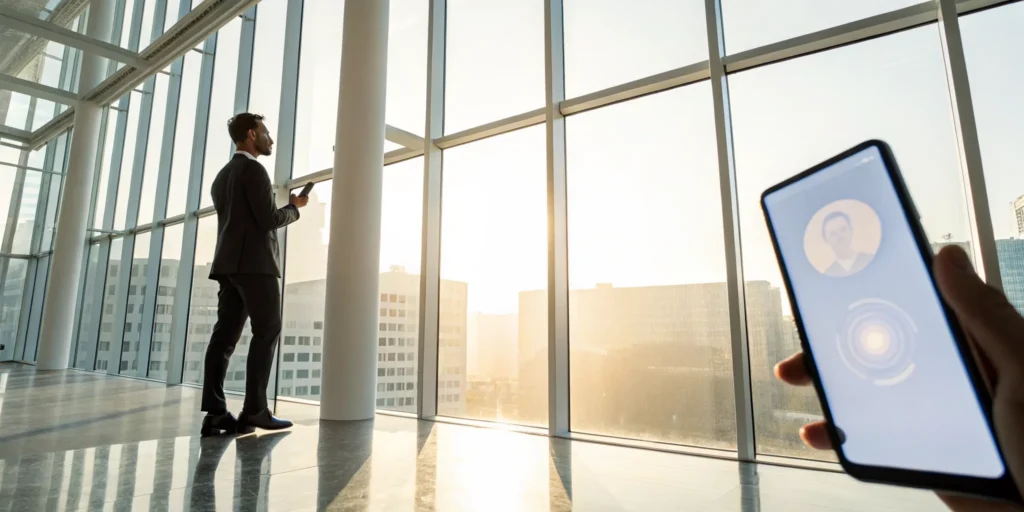
Your platform’s greatest asset is its community. But that community is under constant attack from bots, fake accounts, and deepfakes that erode trust and create chaos. Standard identity checks, which just match a face to an ID, are no longer enough—they can be fooled by a simple photo. You need to protect your users at the front door. This is where sign up liveness detection comes in. It acts as your digital bouncer, confirming that every new user is a real, live human. This simple step secures your platform and ensures your community is built on genuine interaction.
Key Takeaways
- Confirm Real Human Presence: Liveness detection is no longer optional; it’s your primary defense against sophisticated fraud like deepfakes. It also helps you meet critical compliance requirements and builds a foundation of trust with every new user.
- Put the User Experience First: The best security is invisible to your users. Prioritize passive solutions that work in the background without requiring awkward actions, which is crucial for keeping your sign-up process smooth and your conversion rates high.
- Choose a Partner Built for Growth and Privacy: A great solution should integrate easily, scale with your user base, and respect user privacy by processing data on-device. Think of it as a long-term investment in your platform’s integrity, not just a technical add-on.
What Is Liveness Detection and How Does It Work?
At its core, liveness detection is a security check that confirms a user is a real, live person who is physically present during a digital interaction. Think of it as a digital bouncer for your platform. It’s designed to distinguish between a living person and a spoof, which could be anything from a simple photograph or video replay to a sophisticated AI-generated deepfake. As bad actors get more creative with their methods, simply matching a face to a photo ID is no longer enough. You need a way to verify that the person creating an account or logging in is actually there, in that moment.
This technology provides that critical layer of assurance, ensuring the interactions on your platform are genuinely human. It works by analyzing biometric data in real time to catch fraud attempts before they succeed. Instead of asking users to perform specific actions like smiling or turning their head, modern passive liveness systems work quietly in the background, creating a frictionless experience. This is crucial for maintaining high conversion rates during onboarding. By verifying liveness, you’re not just adding a security step; you’re building a foundation of trust with every user. It’s a quiet but powerful way to protect your systems and your community from automated threats and fraudulent accounts that can erode user confidence and damage your brand’s reputation.
Confirming a Real Person Is Present
The process of facial liveness detection allows a biometric system to determine if the face it sees belongs to a live human in front of the camera. It analyzes a biometric sample, usually a selfie or short video, for subtle cues that indicate life. These can include tiny movements, blinking, or changes in lighting and texture that are nearly impossible to replicate with a static image or a pre-recorded video. Advanced systems use AI to analyze these data points in real time, effectively spotting presentation attacks like masks, screen replays, or deepfakes before they can compromise an account.
How Liveness Detection Fits into Your Sign-Up Flow
Integrating liveness detection into your sign-up or login flow is a foundational step toward protecting digital identity on your platform. This check happens seamlessly during the identity verification process, often when a user is asked to take a selfie. By confirming that a user is physically present at this key moment, you establish a high level of trust from the very beginning of your relationship. This isn’t just an extra security feature; it’s a fundamental component for any platform that needs to authenticate users, prevent fraud, and maintain the integrity of its community. It ensures that every new account belongs to a real person.
Types of Liveness Detection and How They Work
Not all liveness detection methods are created equal. The technology has evolved, branching into different approaches that each offer a unique balance of security, accuracy, and user experience. Understanding these distinctions is the first step to choosing a solution that protects your platform without frustrating your users. The right choice depends on your specific needs, your risk tolerance, and the kind of experience you want to create for your community. Some methods are obvious and interactive, while the most advanced solutions work silently in the background. Let’s look at the main types of liveness detection and how they function.
Active Liveness Detection
Active liveness detection is a challenge-response test. It asks the user to perform a specific action on camera to prove they are a real, live person. You’ve probably encountered this before—it’s the digital equivalent of being asked to touch your nose and spin in a circle. The system might prompt you to smile, blink, turn your head, or follow a dot on the screen. The idea is that a static photo or a simple video replay can’t respond to these real-time commands. While this method can be effective at stopping basic spoofing attempts, it comes at a significant cost to the user experience. These interruptions can feel awkward and intrusive, leading to high drop-off rates during critical moments like account sign-up.
How It Works and When to Use It
This method works by issuing a random challenge and analyzing the user’s ability to comply. The system checks for expected movements and facial expressions to confirm liveness. Because it adds noticeable friction, active liveness is best reserved for very high-risk, infrequent scenarios where the user is highly motivated to complete the process, such as a large financial transaction. However, as fraud techniques become more sophisticated, even active challenges can be defeated by advanced deepfakes. For most platforms focused on growth and retention, the poor user experience makes this approach a difficult choice in a competitive market.
Passive Liveness Detection
Passive liveness detection is the gold standard for modern, user-centric security. It works invisibly in the background, confirming a user is a live person without requiring them to perform any special actions. The user simply looks at their camera for a selfie or a short video, and the technology does the rest. This creates a seamless, frictionless experience that feels effortless. By eliminating disruptive challenges, you can maintain high conversion rates during onboarding while still implementing robust fraud protection. The effectiveness of a passive system relies heavily on the sophistication of its underlying AI, which is why choosing a proven, enterprise-grade partner is so important.
How It Works and When to Use It
Using advanced computer vision and AI, passive systems analyze a single frame or short video for dozens of subtle cues that indicate a real, live person. This includes analyzing skin texture, light reflections in the user’s eyes, and natural, involuntary micro-movements that are impossible to replicate with a spoof. Because it’s fast, intuitive, and highly secure, passive liveness is the ideal solution for nearly any platform. It’s perfect for user onboarding, account login, and payment verification where you need to confirm human presence without disrupting the user journey. It’s security that your users will never have to think about.
Hybrid Liveness Detection
Hybrid liveness detection attempts to find a middle ground between the security of active challenges and the user-friendliness of passive analysis. This approach typically combines a passive check with one simple, prompted action, like asking the user to smile after taking a selfie. The goal is to add an extra layer of security without introducing the full friction of a multi-step active liveness test. It’s often seen as a transitional step for companies moving away from older, more cumbersome active systems or for those who want an additional interactive check for specific high-risk transactions.
Finding a Balance Between Security and UX
While a hybrid approach is less disruptive than a full active challenge, it still requires the user to do something. That single action, however small, creates a pause in the user flow and makes the security check visible. It’s a compromise that trades a bit of user experience for a perceived security gain. For some platforms, this balance might be appropriate for their specific risk profile. However, as passive technologies become more powerful and capable of detecting even the most advanced spoofs, the need for this kind of compromise is diminishing. A truly secure and seamless experience doesn’t require the user to do anything at all.
2D vs. 3D Liveness Analysis
Beyond the active and passive methods, liveness detection can also be categorized by the type of analysis it performs: 2D or 3D. 2D analysis works with a standard flat image from any webcam or phone camera. It’s fast and widely compatible, making it suitable for lower-risk checks. 3D analysis, on the other hand, incorporates depth to create a more detailed facial map. This makes it significantly more secure against sophisticated attacks like realistic masks or screen replays. While some 3D systems require specialized hardware like infrared cameras, advanced software can now infer depth from a standard 2D camera, bringing enhanced security to everyday devices.
Why Your Business Needs Liveness Detection
Stop Identity Fraud and Account Takeovers
Fraudsters are no longer just using stolen passwords; they’re using AI-generated deepfakes, high-resolution photos, and video recordings to trick verification systems. Standard biometric matching can confirm a face matches a photo ID, but it can’t tell if that face belongs to a live person or a digital fake. This is where liveness detection becomes crucial for fraud prevention. It verifies that a user is physically present during authentication, stopping bad actors before they can create a fake account or take over a real one. Without this check, even a high-quality deepfake can pass a face scan with the same confidence as a genuine user, leaving your platform and your customers vulnerable to attack.
The Rising Tide of Digital Fraud by the Numbers
The numbers behind digital fraud are staggering. Global losses from online payment fraud are projected to exceed $362 billion between 2023 and 2028, driven by the increasing sophistication of bad actors. They now use AI-generated deepfakes and high-resolution photos to bypass traditional security checks that only confirm a face matches an ID. As these methods become more common, simply matching a face to a photo is no longer enough to prevent spoofing. Without a reliable way to confirm a user is a live person, your platform remains exposed to automated attacks that can erode trust and lead to significant financial and reputational damage.
Stay Ahead of Compliance Requirements
For many industries, especially finance, healthcare, and the gig economy, verifying user identity isn’t just good practice, it’s the law. Regulations like Know Your Customer (KYC) and Anti-Money Laundering (AML) require businesses to perform strict due diligence. Simply asking for an ID isn’t enough to satisfy these mandates. Regulators expect you to take active steps to ensure the person providing the ID is the legitimate owner. Integrating liveness detection is a direct way to strengthen your identity verification process and demonstrate that you are maintaining compliance. Failing to adopt modern security measures can expose your organization to audits and severe financial penalties for non-compliance.
Meeting Global Standards Like GDPR and eIDAS
Beyond domestic rules, global standards like Europe’s GDPR and eIDAS are setting the benchmark for digital trust and security worldwide. The eIDAS regulation, in particular, creates a framework for secure electronic identification, with its highest levels of assurance requiring robust proof that the person is who they claim to be. This is where liveness detection becomes essential. It provides the strong, real-time authentication needed to meet these stringent requirements, moving beyond simple document checks. Furthermore, under GDPR, companies are obligated to protect personal data using appropriate technical measures. Employing a privacy-first liveness solution demonstrates a commitment to data security and helps you build a platform that users can trust, no matter where they are.
Build User Trust and Protect Your Platform
Security isn’t just about stopping threats; it’s about creating an environment where users feel safe. When people sign up for your service, they are placing their trust in you to protect their data and their digital identity. Liveness checks enhance that trust by confirming every user is a real person who is physically present, not a bot or a deepfake. This simple step helps you cultivate a secure and authentic community. By integrating liveness detection, you are not only improving security measures but also sending a clear message to your users: we take your safety seriously. This confidence is key to building long-term loyalty and protecting the integrity of your entire platform.
Key Benefits of Using Liveness Detection
Liveness detection does more than just add a layer of security. It fundamentally changes how you build trust with your users from their very first interaction. By verifying the real, human presence behind the screen, you can protect your platform from fraud while creating a smoother, more reliable experience for legitimate customers. It’s about building a digital environment where both your business and your users can feel confident. The benefits extend beyond just stopping bad actors; they touch everything from your security posture to your bottom line. When implemented correctly, liveness detection becomes a foundational component of a secure and user-friendly identity system.
Strengthen Security Without Slowing Users Down
One of the biggest challenges in digital security is adding protection without creating a frustrating user experience. No one wants to complete a complicated, multi-step process just to sign up for a service. This is where modern liveness detection shines. The best solutions work passively in the background, verifying a user’s presence in seconds without requiring them to follow complex instructions. These anti-fraud solutions balance robust security with a smooth customer experience, proving you don’t have to sacrifice one for the other. By making security invisible and effortless for the user, you can fortify your platform’s defenses while keeping your sign-up process quick and intuitive.
Achieve High Accuracy in Seconds
Speed and accuracy are no longer mutually exclusive. Modern liveness detection systems are designed to deliver a verdict in just a few seconds, without sacrificing precision. This is possible because advanced AI can analyze biometric data in real time, looking for the subtle, involuntary cues that signal a person is physically present—like micro-movements and natural blinking. This process is incredibly effective at spotting presentation attacks, from a simple photo held up to the camera to a sophisticated deepfake video. By processing these checks almost instantly, you can confirm a user’s liveness without adding any noticeable delay to your sign-up or login process, ensuring security doesn’t come at the cost of a smooth user journey.
Defend Against Advanced Spoofing Attacks
As technology evolves, so do the methods used by fraudsters. Simple identity checks are no longer enough to stop sophisticated threats like deepfakes, presentation attacks using high-resolution photos, or even realistic silicone masks. This is where liveness detection becomes absolutely critical. A system without it might be fooled by a high-quality deepfake, giving it the same confidence score as a real person. A robust liveness check, however, is designed to spot these fakes. It can recognize digitally generated faces, printed images, and other non-human objects, ensuring that the person on the other side of the screen is physically present and real.
Improve Conversion Rates with a Seamless UX
A clunky onboarding process is a direct threat to your growth. In fact, studies show that up to 50% of users abandon onboarding if it’s too difficult or time-consuming. Every bit of friction you can remove from this critical first step can have a major impact on your conversion rates. By integrating a fast, passive liveness check, you make it easier for genuine customers to join your platform. This simple, secure verification gives users confidence in your service from the start and helps you capture more sign-ups. It transforms a potential point of failure into a seamless part of a positive user journey, turning security into a business advantage.
Liveness Detection in the Broader Identity Verification Landscape
Liveness detection is a powerful tool, but it rarely works in isolation. It’s one critical piece of the larger identity verification (IDV) puzzle. A comprehensive IDV strategy combines multiple checks to build a confident picture of who a user is, ensuring they are both real and who they claim to be. Think of it like assembling evidence: a single clue is helpful, but multiple, corroborating pieces of evidence build an undeniable case. By understanding how liveness detection fits with other verification methods, you can design a more resilient and effective security framework for your platform.
More Than Just a Selfie: Document and Face Verification
The most common IDV flow involves two key steps: document verification and face verification. First, a user uploads a photo of a government-issued ID, like a driver’s license or passport. The system checks the document for authenticity, looking for signs of tampering. Next, the user takes a selfie. This is where liveness detection comes in. It checks if the biometric sample is from a real, live person, not a photo or video spoof. Without this check, the entire process is vulnerable. A fraudster could easily use a stolen ID and a photo of the victim to pass the face match, creating a fraudulent account. Liveness detection closes this loophole.
Beyond Sign-Up: KYC, PEP Screening, and E-Signatures
While liveness detection is essential for secure onboarding, its role extends far beyond the initial sign-up. For regulated industries, it’s a cornerstone of ongoing compliance. Integrating liveness detection is a direct way to strengthen your identity verification process and prove you’re meeting Know Your Customer (KYC) requirements. It’s also becoming vital for other high-stakes interactions, like screening for Politically Exposed Persons (PEPs) or securing electronic signatures on legal documents. In these moments, you need absolute certainty that the person performing the action is physically present and authentic, and liveness provides that assurance.
Alternative High-Security Methods
NFC-Based Verification
For an even higher level of document security, some systems use Near Field Communication (NFC) to read the embedded chip in modern passports and ID cards. This method is incredibly secure because it reads tamper-proof data directly from the document’s chip, making it nearly impossible to forge. However, its reliance on the user having a phone with NFC capabilities and a chip-enabled ID means it isn’t universally applicable. It’s a powerful tool for specific high-security scenarios but may not be practical for every user base.
Video-Based Verification
At the highest end of the security spectrum is video-based verification, where a user joins a live video call with a trained agent. The agent guides them through the process, visually inspecting their ID and their face in real time. This human-in-the-loop approach offers maximum assurance but comes at a significant cost in both time and money. It creates considerable friction for the user and is difficult to scale, making it best reserved for very high-value transactions or account recovery situations where automated systems aren’t sufficient.
Which Industries Benefit Most from Liveness Detection?
While any platform that creates user accounts can benefit from confirming human presence, some industries face higher stakes and have become early adopters of liveness detection. For these businesses, the technology isn’t just a “nice-to-have” security feature; it’s a fundamental requirement for mitigating risk, meeting regulatory demands, and maintaining customer trust. From securing financial transactions to building safe online communities, liveness detection is proving to be an indispensable tool for protecting the integrity of digital interactions across the board.
Financial Services and Insurance
The financial sector is on the front lines of the battle against digital fraud. For banks, fintech companies, and insurers, liveness detection is a key defense against fraud, especially as deepfake technology makes it easier than ever to create synthetic identities. Whether a customer is opening a new account, applying for a loan, or filing a claim, verifying their real, live presence is critical for preventing account takeovers and satisfying strict Know Your Customer (KYC) and Anti-Money Laundering (AML) regulations. It provides the high level of assurance needed to secure sensitive financial operations.
Sharing Economy and Online Marketplaces
Trust is the currency of the sharing economy. Platforms like Airbnb, Uber, and Turo depend on creating a safe environment for users to interact and transact. Liveness detection helps build that trust by verifying that both sides of a transaction—the host and the guest, the driver and the rider—are real people. Because the process is quick and simple, often taking just a few seconds, it doesn’t create friction that could cause users to abandon sign-up. This allows marketplaces to scale their user base quickly while protecting their community from fraudulent or malicious accounts.
Telecommunications and Cryptocurrency
The stakes are incredibly high in both telecommunications and crypto. For mobile carriers, liveness detection is a powerful tool to combat SIM-swap fraud, where criminals take over a user’s phone number to access their bank accounts and other sensitive services. In the world of cryptocurrency, where transactions are irreversible, securing user accounts is paramount. Cryptocurrency platforms use liveness detection to protect high-value assets from theft and to comply with the evolving regulatory landscape surrounding digital currencies. It adds a necessary layer of security to these high-risk environments.
Platforms Requiring Age Verification
As more of our lives move online, ensuring that users are old enough to access certain content or services has become a major challenge. This applies to online gaming, dating apps, and any platform that hosts age-restricted content. Simply asking for a date of birth is not enough, and even checking an ID can be circumvented if a minor uses a parent’s document. Liveness checks enhance that trust by confirming the person in front of the camera is the same person whose ID is being presented, ensuring that age verification is both accurate and secure.
What Makes a Great Liveness Detection Solution?
When you’re evaluating liveness detection, it’s easy to get lost in the technical details. But the best solutions aren’t just about sophisticated algorithms; they’re about finding the right balance between robust security, a seamless user experience, and the ability to grow with your platform. The reality is that liveness detection has become a foundational part of any secure digital identity system. A clunky, slow, or invasive process can turn users away, while a weak one leaves you vulnerable to fraud.
A great solution works quietly in the background, confirming human presence without making a big show of it. It should feel effortless for the user and be powerful enough for your enterprise needs. The goal is to integrate a tool that strengthens security and builds trust without adding friction that could hurt your conversion rates. It’s about making your platform safer and easier to use, not more complicated. Let’s look at the three core pillars that separate the best liveness detection solutions from the rest.
It Prioritizes Privacy and a Frictionless Experience
Users are more aware of their digital privacy than ever before. They’re hesitant to engage with systems that feel invasive or that ask for too much. This is why a top-tier liveness detection solution puts privacy first. The most effective systems perform checks locally on a user’s device, which means sensitive biometric data never has to be sent to a central server. This approach significantly reduces privacy risks and helps you build trust with your audience. The entire verification should happen in a single, quick step, confirming a user’s presence without making them feel like they’re jumping through hoops. It’s about creating a secure environment that respects user data and feels completely natural.
It Uses Unobtrusive, Passive Verification
The best kind of security is the kind your users barely notice. Active liveness detection, which asks users to smile, blink, or turn their head, adds friction and can be frustrating. In contrast, passive liveness detection is completely unobtrusive. It simply analyzes a single image or a short video clip to confirm a real person is present, without requiring any specific actions from the user. This is especially important because people often try to verify themselves in real-world conditions, like in a dimly lit room or with a spotty internet connection. Advanced solutions use AI to enhance images and deliver accurate results even in less-than-ideal settings, ensuring a smooth user experience for everyone.
It Is Built to Scale with Your Business
A solution that works for a few hundred users might not hold up when you have millions. For any growing business, scalability is non-negotiable. A great liveness detection system is built to handle high volumes of verifications without compromising on speed or accuracy. It should integrate smoothly into your existing security infrastructure and be able to support your platform as it grows. These AI-powered systems are true anti-fraud solutions because they offer robust protection that can operate at an enterprise scale. Your liveness detection tool should be a reliable, long-term partner that strengthens your defenses as you expand your user base and services.
Essential Security Features Your Solution Must Have
When you’re evaluating liveness detection solutions, it’s easy to get lost in the technical details. But not all systems are created equal. To truly protect your platform, you need to focus on a few key features that separate a good solution from a great one. These are the non-negotiables that ensure your security can stand up to both current and future threats.
Advanced Presentation Attack Detection (PAD)
Your system needs strong presentation attack detection, or PAD. This technology verifies that a biometric sample, like a selfie, comes from a real, live person who is physically present. It’s designed to stop bad actors from using a photo, video replay, mask, or even a sophisticated AI-generated deepfake. Without solid PAD, a high-quality deepfake can pass a face matching test just as easily as a real user. This feature is your front line of defense against the most common types of presentation attacks and is critical for maintaining a secure environment.
Real-Time Analysis of Behavioral Cues
Advanced liveness detection goes beyond a simple snapshot. The best systems analyze subtle, real-time behavioral cues unique to a living person, like tiny facial movements and blinking. These physical characteristics are nearly impossible to replicate with a static image or basic video. By analyzing these live indicators, the technology can confirm genuine human presence with a much higher degree of certainty. This real-time analysis makes it incredibly difficult for common spoofing attempts to succeed, adding a powerful layer of security to protect your users’ accounts.
A System That Evolves with New Threats
The world of digital fraud is constantly changing, and your security solution must be able to keep up. Look for a system built on a foundation of continuous learning and adaptation, using AI to refine its detection models against emerging threats. Forward-thinking features like on-device processing, which analyzes liveness directly on a user’s device for better privacy and speed, are a great sign. You aren’t just buying a tool for today; you’re investing in a security partner that can protect your platform against the threats of tomorrow.
Understanding the Limitations of Liveness Detection
While liveness detection is a game-changer for digital security, it’s not a magic wand. No single technology is completely infallible, and understanding the boundaries of liveness detection is the first step toward building a truly resilient identity verification system. Recognizing where these systems can be challenged allows you to create a more robust, layered defense that anticipates and neutralizes threats instead of just reacting to them. It’s about being realistic and strategic, ensuring your security posture is strong enough to protect your platform and your users in the real world, not just in a perfect lab environment.
Factors That Can Impact Performance
The effectiveness of any liveness detection system can be influenced by a few key factors. First, the quality of the input matters. A user trying to verify themselves with a low-resolution front-facing camera or in poor lighting conditions can pose a challenge. These environmental issues can sometimes make it harder for the software to capture the subtle biometric cues it needs to confirm liveness. Furthermore, as security technology advances, so do the methods used by fraudsters. Determined attackers are constantly developing more sophisticated threats, from hyper-realistic digital masks to advanced deepfakes, that are designed to fool less advanced systems. Acknowledging these challenges is crucial for choosing a solution that can perform reliably under real-world conditions.
Why a Multi-Layered Approach Is Best
Because no single tool is perfect, liveness detection is most powerful when it’s part of a complete identity verification system. Think of it as one critical layer in a multi-layered security strategy. It should work in concert with other checks, such as document verification (confirming an ID is legitimate) and face matching (comparing the user’s selfie to the photo on their ID). This comprehensive approach ensures that even if one check is challenged, other layers are in place to catch a potential threat. This strategy creates a security net with much smaller holes, making it significantly harder for fraudsters to succeed.
A multi-layered system directly addresses the limitations of any single component. While a basic liveness check might struggle with a cutting-edge deepfake, a more robust process that also analyzes document authenticity and other data points provides a much stronger defense. Integrating these checks is a direct way to strengthen your identity verification process, build user trust, and demonstrate that you are meeting compliance standards. By combining liveness detection with other verification methods, you create a formidable barrier against fraud that protects your platform’s integrity and gives your genuine users peace of mind.
Common Implementation Hurdles and How to Overcome Them
Adding liveness detection to your sign-up flow is a smart move, but it’s not without its complexities. Like any powerful technology, a successful rollout requires thoughtful planning and an understanding of the potential hurdles. Anticipating these challenges is the first step toward choosing a solution that strengthens your platform without creating new problems for your team or your users. From the user experience to the technical integration, let’s walk through the key considerations you’ll want to keep in mind.
Finding the Right Balance Between UX and Security
The most secure liveness check is useless if no one completes it. The central challenge is striking a perfect balance between robust security and a smooth user experience. When you consider that up to 50% of users abandon onboarding processes, it’s clear that every bit of friction matters. Many liveness solutions require users to perform specific actions, like turning their head, smiling, or reading words aloud. While effective, these active checks can feel awkward, add time, and cause frustration, leading potential customers to simply give up. The goal is to confirm a user’s presence without making them feel like they’re auditioning for a role.
Ensuring Accessibility Across Devices and Environments
Your users are real people living in the real world, not actors in a perfectly controlled studio. They will try to sign up from dimly lit living rooms, on bumpy train rides, or using older phones with low-resolution cameras. Many systems struggle under these variable conditions. For instance, a poorly illuminated selfie can sometimes be mistaken for a spoofing attempt, leading to a false rejection. A great liveness detection tool must be flexible enough to account for this diversity, providing an equitable and accessible experience for everyone, regardless of their environment, device, or physical ability.
Creating a Plan for Integration and User Adoption
Implementing liveness detection is more than a technical update; it’s a strategic business decision that impacts multiple teams, from product to engineering to customer support. The solution you choose must integrate seamlessly with your existing technology stack, whether through a simple API or a more comprehensive SDK. Beyond the technical fit, you need a clear plan for internal adoption. Your team needs to understand why this change is being made and how it works so they can support users effectively. A smooth rollout depends on choosing a partner who provides excellent documentation, developer support, and a clear path to implementation.
How to Choose the Right Liveness Detection Solution
Selecting a liveness detection partner is a big decision. The right solution strengthens your security and builds user trust, while the wrong one can create friction, frustrate users, and leave you vulnerable. As you evaluate your options, it’s important to look beyond the core technology and consider how the solution will fit into your existing ecosystem. Think about the entire user journey, from integration with your current systems to the long-term costs and the support you’ll need for a successful launch. A great partner provides more than just an API; they offer a clear path to implementation and a commitment to protecting your users’ privacy.
Prioritize Seamless Integration and High Performance
Your liveness detection tool should feel like a natural part of your platform, not a clunky add-on. Look for a solution that offers flexible integration options, like a well-documented SDK. As the team at iProov notes, “Vendors who deploy via SDKs deliver the full biometric workflow, complete with capture, user feedback, and features like automated camera permissions.” This approach simplifies development and ensures a smoother experience for your users from the start.
Performance is just as critical. A slow or inaccurate system can cause users to abandon the sign-up process altogether. Liveness detection is no longer just a nice feature; it has become “a foundational component of secure identity systems in a world where digital access defines opportunity.” The verification should be fast and reliable, working seamlessly in the background to confirm a user’s presence without causing delays. A high-performing system respects your user’s time and keeps your conversion funnel flowing.
Exploring Integration Options Like Static URLs
While a full software development kit (SDK) offers deep customization, it’s not always the most straightforward path for every team. Sometimes, you need a simpler, more direct way to get started. This is where options like a static URL come in. A static URL allows you to direct users to a dedicated, secure web page to complete the liveness check. Once finished, they are seamlessly redirected back to your application. This approach is incredibly lightweight and can be integrated into your sign-up flow with minimal developer effort. It’s a powerful way to implement liveness detection without overhauling your existing code, making it an ideal choice for platforms that need to move quickly and efficiently while still ensuring a smooth user journey.
Prioritize Data Privacy and Understand the Costs
In an age of constant data breaches, users are rightfully concerned about their personal information. When choosing a liveness detection solution, make data privacy a top priority. Ask potential vendors how they handle and store biometric data. Leading solutions put privacy first by processing information directly on a user’s device. This method ensures sensitive data never leaves the user’s control, which is a huge step in building trust.
Of course, budget is always a factor. While it might seem like a significant investment, modern biometric systems are more accessible than you might think. Many are “scalable, cost-effective, and easy to deploy across multiple access points without high investment.” Look for transparent pricing models that align with your business growth. The best solutions offer strong security and a great user experience without hidden fees, giving you a clear understanding of the total cost of ownership.
Understanding Per-Verification Costs
When you start looking at pricing, you’ll find that the costs range from about €0.50 to €1.40 per verification, depending on your volume and the specific methods used. But it’s important to view this as more than just a line item on your budget. Think of it as a long-term investment in your platform’s integrity. You’re not just paying for a technical check; you’re paying to protect your community from fraud, ensure compliance, and build a foundation of trust with every user. As you compare vendors, look for a partner with a transparent pricing model that scales with your business. You want to avoid hidden fees and have a clear picture of the total cost of ownership, so you can focus on growth without any financial surprises down the road.
Best Practices for a Successful Implementation
A successful implementation goes beyond just installing the software. It’s about creating an intuitive and supportive experience for your users. Your chosen solution should provide clear, real-time guidance to help people complete the verification step easily. As one guide explains, “Providing real-time feedback based on the API’s preliminary analysis can dramatically improve success rates on the first try, preventing user frustration and abandonment.”
You should also consider how the technology performs in less-than-ideal conditions. Your users will be in different environments with varying light levels and network speeds. Top-tier solutions account for this, using “AI-based image enhancement… and real-time guidance to assist users.” By planning for these variables and following user onboarding best practices, you can ensure your liveness detection system is a helpful security measure, not a frustrating roadblock.
Related Articles
Frequently Asked Questions
What’s the difference between passive and active liveness detection? Active liveness detection requires users to perform specific actions, like smiling, blinking, or turning their head. It can feel a bit like a test and adds extra steps to your sign-up process. Passive liveness, on the other hand, works quietly in the background. It analyzes a single selfie or a brief video clip to confirm a user is a real, live person without asking them to do anything special, creating a much smoother experience.
Will adding a liveness check hurt my conversion rates? It’s a valid concern, but the right solution can actually help. A clunky or confusing verification process is a known cause of user drop-off. However, a modern, passive liveness check is designed to be fast and frictionless. It happens in a single, quick step that users barely notice. By removing that friction, you make it easier for legitimate customers to sign up, which can improve your conversion rates while keeping fraudsters out.
How does liveness detection stop advanced threats like deepfakes? Standard face matching can be fooled by a high-quality deepfake because the fake image still matches the real person’s photo ID. Liveness detection adds a crucial extra step. It analyzes the image for subtle, real-time cues that are unique to a living person, like tiny muscle movements, skin texture, and how light reflects. AI-generated fakes cannot replicate these authentic biological signals, so the system can identify and block them.
What happens to my users’ data during a liveness check? This is a critical question, and privacy should be a top priority. The most secure and user-respecting solutions perform the liveness analysis directly on the user’s device. This means sensitive biometric information is never sent to a central server or stored by a third party. The system simply confirms liveness, and then the data is gone. This on-device approach gives users control over their information and builds essential trust in your platform.
How difficult is it to integrate this technology into my platform? You might be surprised at how straightforward it can be. The best providers offer flexible integration options, often through a well-documented Software Development Kit (SDK). This simplifies the process for your development team, allowing them to add the verification step into your existing sign-up or login flow without having to build everything from scratch. A good partner will provide clear instructions and support to ensure the rollout is as smooth as possible.
Look for Independent, Third-Party Certification
When a vendor tells you their liveness detection is top-notch, how can you be sure? Marketing claims are one thing, but proven performance is another. This is where independent, third-party certification becomes so important. Think of it as an unbiased audit of a solution’s security claims. These accredited labs put the technology through a rigorous series of tests, throwing everything from simple photo spoofs to complex deepfakes at it to see if it holds up. Choosing a solution that has been vetted by an independent party gives you objective proof that it can effectively defend against real-world threats. It’s your best guarantee that the protection you’re investing in is more than just a promise.
The Importance of ISO/IEC 30107-3
When it comes to liveness detection, the gold standard for this type of testing is ISO/IEC 30107-3. This international standard provides a specific framework for the evaluation of liveness detection systems, outlining exactly how they should be tested against various spoofing attacks. It’s not just a simple pass/fail grade; it’s a comprehensive assessment of a system’s ability to distinguish a live person from a presentation attack. A solution that has achieved this certification has proven its effectiveness under controlled, repeatable conditions, giving you confidence in its capabilities.
Having a solution that meets ISO/IEC 30107-3 standards does more than just enhance your security—it builds trust. It sends a clear signal to your users and to regulators that you are serious about protecting identities against sophisticated fraud. For businesses in regulated sectors like finance or healthcare, this certification is especially critical. It helps you mitigate risks associated with identity fraud and demonstrates a commitment to compliance, giving you confidence that your platform is built on a foundation of verified, human presence.