

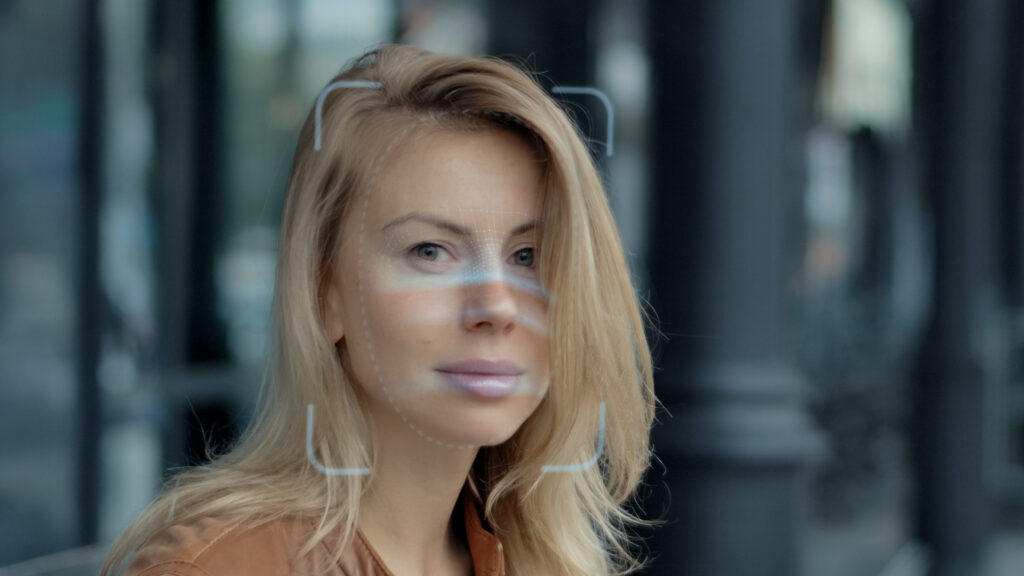
For any online business, every login, payment, and profile creation carries a hidden risk: is the user on the other side of the screen a real person or a sophisticated bot? Relying on passwords alone is like leaving the front door unlocked and hoping for the best. Fraud, account takeovers, and automated attacks erode trust and directly impact your bottom line. This is why enterprises are turning to bio authentication. It’s not just another security feature; it’s a fundamental tool for risk management. By confirming a real human is present, you gain the certainty needed to protect your systems, secure your decisions, and build a trustworthy community.
Key Takeaways
- Replace Weak Passwords with a Stronger You: Biometric authentication verifies your identity using your unique biological traits, like your face or fingerprint. This provides a fundamentally more secure and user-friendly alternative to passwords that are easily compromised.
- Implement Biometrics with Transparency: To build user trust, it’s critical to be clear about how you collect and protect biometric data. Following privacy regulations like GDPR and explaining the process to users are non-negotiable steps for successful adoption.
- Focus on Proving Real Human Presence: The best security strategies are evolving to combat sophisticated fakes. Modern biometrics incorporate liveness detection and AI to confirm a real person is interacting with the system, often as part of a layered, multi-factor security plan.
What Is Bio Authentication and Why Does It Matter?
At its core, biometric authentication is a security process that confirms your identity using your unique biological traits. Think of it as a high-tech key that only you possess. Instead of relying on something you know, like a password, or something you have, like a key card, it uses something you are. This could be your fingerprint, the unique pattern of your iris, the structure of your face, or even behavioral patterns like the rhythm of your typing.
In a digital world where it’s increasingly difficult to tell who is real and who isn’t, biometrics offer a powerful way to verify human presence. It’s about tying a digital identity to a real, living person, making it much harder for bad actors, bots, or deepfakes to impersonate someone else. This method provides a stronger, more personal layer of security because, unlike a password, your biological traits are incredibly difficult to steal, forget, or duplicate. It’s a fundamental shift in how we prove we are who we say we are online.
The Problem with Traditional Passwords
Stolen Credentials as a Leading Cause of Breaches
We all have that mental junk drawer overflowing with forgotten passwords, and it’s more than just a personal headache—it’s a serious security vulnerability. Traditional passwords have become one of the weakest points in our digital lives because they are so easy to compromise. In fact, stolen credentials are a leading cause of data breaches, putting both businesses and their customers at risk. A password is just a string of characters that can be phished, leaked in a database breach, or even guessed, making it a prime target for bad actors. This is a stark contrast to your unique biological traits, which are incredibly difficult for someone else to replicate. This fundamental weakness is why the conversation is shifting away from what you know and toward verifying who you are, confirming a real human is present for every interaction.
Understanding Biometrics and Your Digital Identity
Let’s break it down. The word “biometric” comes from the Greek words “bio,” meaning life, and “metric,” meaning to measure. So, biometric authentication is simply the process of measuring your unique life characteristics to verify your identity. This technology uses your physical traits or behavioral patterns as a form of digital identification. It’s what allows you to unlock your phone with your face or approve a payment with your thumbprint. These systems are built on the idea that every person has distinct characteristics that can be measured and used to grant access securely and efficiently.
Which Human Characteristic Is Used for Authentication?
So, how does your face or fingerprint actually unlock an account? The process starts when the system captures your biometric data, like a photo of your face or a scan of your fingerprint. It then analyzes this data to pull out unique features, creating a secure digital representation called a template. This template is stored for future comparisons. The next time you try to log in, the system captures your data again and compares it to the stored template. If they match, your identity is confirmed, and you’re granted access. This entire verification process happens in seconds, providing a seamless and highly secure user experience.
How Does Bio Authentication Work Step-by-Step?
It might sound like something from a spy movie, but the process behind biometric authentication is surprisingly straightforward. It all comes down to a simple, three-step flow: capture, store, and compare. Think of it as teaching a system to recognize you and only you, creating a digital key that can’t be easily copied or stolen like a password. First, a sensor takes a snapshot of your unique biological trait, like the pattern of your fingerprint or the structure of your face. This isn’t just a photo; it’s a detailed digital map of your most distinct features.
Next, that map is converted into a secure, encrypted file called a template. This template is the key that gets stored away for safekeeping. It’s important to know that your actual biometric data isn’t what’s stored, just this unique digital representation. This is a critical privacy feature that protects your personal information. Finally, whenever you need to prove your identity, the system takes a new, live scan and compares it to the template it has on file. If the two match, you’re in. This entire process happens in the blink of an eye, creating a secure and seamless way to verify that a real, authorized person is present without adding frustrating delays.
The First Step: Capturing Your Biometric Data
The first step in any biometric system is enrollment. This is the “get to know you” phase where you introduce your unique biological features to the system. When you set up Face ID on your phone for the first time, you’re going through the enrollment process. A sensor, like a camera or a fingerprint scanner, captures your biometric information. According to IBM, your information is first scanned and saved as a digital template. This initial scan creates the baseline that all future authentication attempts will be measured against, establishing your unique digital identity within that specific system.
Next: Creating and Storing Your Secure Template
Once your biometric data is captured, the system doesn’t just save the raw image. Instead, it uses algorithms to analyze the image and extract a set of unique, distinguishing features. For a face, this could be the distance between your eyes or the shape of your nose. These features are then converted into an encrypted, mathematical representation known as a biometric template. This process ensures that your actual face or fingerprint isn’t stored, which adds a critical layer of data protection. This secure template is what the system keeps on file to verify your identity later.
Understanding Probabilistic Matching
Finally, we get to the moment of truth: the comparison. When you try to log in, the system takes a new scan and compares it to the secure template it has on file. But here’s a key difference from passwords: it’s not looking for a perfect, bit-for-bit match. Instead, it uses probabilistic matching to determine how likely it is that you are the same person. Think of it like recognizing a friend in a crowd; you don’t need to see every single detail to be sure it’s them. This approach is essential because our biometric traits can appear slightly different each time due to lighting, a new pair of glasses, or a different angle. A system demanding a perfect match would constantly fail.
This probabilistic approach means the system is making an educated guess, and sometimes it can get it wrong. This leads to two potential errors. A “false rejection” happens when the system fails to recognize you, blocking your access. It’s frustrating, but not a security risk. The more serious error is a “false acceptance,” where the system incorrectly authenticates an imposter. This is a well-known challenge in biometrics, where systems must be designed to manage this trade-off. The goal is to set the matching threshold just right—strict enough to keep intruders out, but flexible enough to let you in without a hassle. This balance is critical for creating a system that is both secure and user-friendly.
Finally: Verifying Your Identity in Seconds
Verification is the final step and the one you’ll repeat every time you log in. When you present your face or fingerprint, the system performs a new scan on the spot. It then converts that live scan into a new template and compares it with the one it stored during enrollment. If the two templates match, your identity is confirmed, and you’re granted access. This all happens almost instantly. The goal is to create an experience that is both highly secure and completely effortless for the user, which is essential for maintaining a positive user experience in high-traffic applications.
What Are the Different Types of Biometric Authentication?
When we talk about biometrics, it’s not a single technology. Different methods focus on various unique human characteristics to confirm you are who you say you are. These methods generally fall into two main camps: those that measure your physical characteristics and those that analyze your unique behaviors. Understanding the difference is key to choosing the right security approach, and sometimes, the strongest defense comes from combining them.
Physical Biometrics: Analyzing Your Face, Fingerprints, and Eyes
This is the category most people think of first. Physical biometrics measure your distinct anatomical features. Every time you unlock your phone with your thumb or use your face to log into an app, you’re using a physical biometric. This type of biometric authentication uses your unique physical traits to prove who you are. Common examples include fingerprint scans, facial recognition, and iris scans. These methods are popular because your physical traits are relatively permanent. A system captures an image of your fingerprint or face, converts it into a secure digital format, and uses that template to verify your identity later.
Hand and Vein Pattern Recognition
Going a layer deeper than the surface of your skin, hand and vein pattern recognition offers an incredibly secure way to confirm identity. This method uses an infrared scanner to capture the unique pattern of veins inside your hand or fingers. Because these patterns are internal and not visible to the naked eye, they are extremely difficult to copy or forge. Unlike a fingerprint that can be lifted from a surface, a vein pattern requires a live, blood-flowing hand to be present for the scan. This inherent liveness check makes it a powerful tool against spoofing attempts, and the internal nature of the biometric data is what provides such a high level of security for situations where confirming a real person is absolutely critical.
DNA Matching
While it sounds like something straight out of a crime lab, DNA matching is the most accurate form of biometric identification available. It works by analyzing an individual’s unique genetic code to verify their identity. However, its unparalleled accuracy comes with significant practical and ethical challenges. The process of collecting and analyzing a DNA sample is slow and invasive, making it unsuitable for everyday applications like logging into your email. More importantly, the collection and storage of genetic information raise serious privacy concerns. Handling this kind of sensitive data requires extreme care, which is why DNA matching is typically reserved for high-stakes scenarios rather than commercial or consumer use.
Behavioral Biometrics: Analyzing Your Voice and Keystrokes
Beyond your physical makeup, your actions can also be a powerful identifier. Behavioral biometrics focus on the unique ways you do things, analyzing patterns that are difficult to replicate. Think about the specific rhythm you use when typing your name, or the distinct pitch of your voice. These are subtle but consistent patterns that can be measured for verification. This approach adds a layer of security that feels invisible to the user. For example, some systems analyze your keystroke dynamics as you type a password. Call centers often use voice recognition to confirm your identity, adding security without asking for more information.
Gait and Signature Recognition
Behavioral biometrics can also measure the unique patterns in your physical movements. For instance, gait recognition analyzes the specific way you walk, from your stride length to your speed, which creates a surprisingly distinct personal signature. It’s a method that can verify identity passively, just by observing someone moving through a space. Similarly, dynamic signature recognition goes beyond just what your signature looks like. It captures how you sign your name, measuring the pressure, speed, and rhythm of your pen strokes. These are deeply ingrained motor skills that are incredibly difficult for an imposter to replicate accurately, providing another strong layer of identity verification.
Mouse Movement and Digital Gestures
Your unique behaviors also leave a trail in the digital world. The way you move your mouse, the speed of your clicks, and the gestures you make on a touchscreen all form a pattern that can be used to confirm your identity. Think about it—do you quickly snap your cursor to a button, or do you move it in a gentle arc? These subtle, almost unconscious digital behaviors can be continuously analyzed in the background to ensure a real, authorized user is the one interacting with the system. This creates a form of frictionless security, confirming human presence without ever interrupting the user’s flow, which is essential for maintaining a smooth experience on any platform.
A Note on the Security of Voice Recognition
Voice recognition has become a convenient tool for identity verification, especially in settings like call centers where it can confirm who you are without asking for extra information. While it adds a helpful layer of security, it’s important to be aware of its vulnerabilities. The rise of sophisticated AI means that spoofing attacks, where a bad actor uses a recording or a deepfake to mimic a user’s voice, are a growing concern. For this reason, any system relying on voice biometrics must be robust enough to distinguish between a live human voice and a synthetic or recorded one, ensuring that convenience doesn’t come at the cost of security.
Multimodal Authentication: Layering Biometrics for Better Security
Why rely on just one identifier when you can use two or more? Multimodal biometric authentication checks several different biometrics at once, creating a much more robust security system. For instance, a high-security application might require both a fingerprint scan and a voice sample to grant access. This layered approach makes it significantly harder for anyone to fake your identity. By requiring multiple, unrelated identifiers, these systems raise the bar for fraudsters. If one method is compromised, the others still stand as a barrier. This makes security much stronger, providing greater confidence that the person on the other side of the screen is genuinely who they claim to be.
What Are the Real-World Benefits of Bio Authentication?
If you’ve ever felt the frustration of a forgotten password or worried about a data breach, you already understand the limits of traditional security. Biometric authentication offers a powerful alternative by turning your unique human traits into the key. This approach doesn’t just add a layer of security; it fundamentally changes how we prove our identity online, making it stronger, faster, and far more intuitive. The benefits extend from protecting critical enterprise systems to simplifying daily logins for users.
Enjoy Superior Security and Fraud Protection
The greatest strength of biometric authentication lies in its uniqueness. Your fingerprint, facial structure, or iris pattern belongs only to you, making these traits incredibly difficult for someone else to replicate or steal. Unlike a password that can be guessed or a keycard that can be lost, your biometrics are a constant, inherent part of who you are. This makes them a highly effective tool for securing sensitive data and systems. For businesses, this translates into a formidable defense against fraud, as it’s much harder for an unauthorized person to spoof a fingerprint or face than it is to use stolen login credentials.
Gain Faster and More Convenient Access
We’ve all been trained to create long, complex passwords with a mix of letters, numbers, and symbols, only to forget them a week later. Biometrics remove this friction entirely. Instead of typing, you simply use your finger or face to gain access in seconds. This seamless experience is a huge advantage for any platform that values user engagement. Biometric authentication strikes an ideal balance between robust security and genuine ease of use, paving the way for a future where secure access doesn’t come at the cost of convenience. This move toward a passwordless future helps create smoother, more positive interactions for everyone.
Say Goodbye to Password Headaches
Passwords are often the weakest link in the security chain. They can be stolen through clever tricks like phishing emails, cracked by brute-force attacks, or exposed in data breaches. Biometric authentication sidesteps these issues because it typically requires you to be physically present for verification. A cybercriminal might be able to steal your password from halfway across the world, but they can’t steal your face or fingerprint to present to a scanner. This principle of “liveness” ensures that the person trying to log in is a real, live human, providing a level of assurance that passwords simply can’t match.
Is Biometric Authentication Safe? The Risks to Consider
Biometric authentication feels like a major step up from passwords, and in many ways, it is. But no security system is perfect. Before going all-in on biometrics, it’s important to understand the potential downsides. Thinking through these challenges helps you choose the right solutions and implement them in a way that builds trust instead of breaking it. The main concerns fall into three categories: privacy, security, and the system’s real-world performance. When your unique biological traits are used as a key, you need to be sure the lock is strong, the system is fair, and your personal data is handled with care. A system that fails on any of these fronts can damage user confidence and create new vulnerabilities.
For businesses, a poorly implemented biometric system can lead to customer frustration, data breaches, and regulatory fines. The stakes are high because unlike a password, biometric data is permanent and deeply personal. If a database of passwords is stolen, users can change them. If a database of fingerprints is stolen, the problem is permanent. This permanence is what makes biometric data so powerful for authentication but also so risky if mishandled. It requires a higher standard of care and a deeper commitment to security from any organization that collects it. The conversation must move beyond just convenience and also address consent, data storage, and the potential for misuse.
Addressing the Major Privacy Concerns
Your biometric data is some of the most personal information you have. Because of this, regulations like the General Data Protection Regulation (GDPR) treat it with the highest level of protection, requiring clear user consent for it to be collected and used. A major privacy factor is where this data is stored. Many consumer devices, like your smartphone, process and store your biometric template directly on the device itself. This is a relatively secure method because your fingerprint or face scan never leaves your phone to be stored on a central server. However, some systems store this data in the cloud, which introduces more risk and requires absolute confidence in the provider’s security practices.
The Critical Role of Data Storage Location
The location of your biometric template is one of the most critical security decisions a platform can make. Storing templates on a central server is the riskiest path, creating a giant “honeypot” for attackers. As security experts at Yubico point out, a single breach could expose millions of permanent biometric identifiers. A better approach is storing the template locally on a user’s device, which keeps it out of a central database. The most secure method, however, involves a portable hardware key where the template is stored and checked *inside* the key itself, never leaving the device. This choice has huge implications. Stolen biometric data can lead to irreversible identity theft—after all, you can’t reset your face like a password. For businesses, the method of storage directly affects compliance with privacy laws and the ability to secure cyber insurance, making it a foundational element of building digital trust.
Can Your Biometric Data Be Faked or Stolen?
While it’s much harder to steal a face than a password, it’s not impossible for biometric data to be compromised. If a company’s database containing biometric templates is hacked, the consequences are serious. As the security firm GlobalSign notes, you can’t just reset your fingerprint or iris scan the way you can a password. Once that unique identifier is stolen, it’s compromised for good. This has led to sophisticated spoofing attempts, sometimes called presentation attacks, where fraudsters use high-resolution photos, masks, or even deepfakes to try and fool a system. This is why modern biometric systems are increasingly focused on “liveness detection” to ensure they’re interacting with a real, live person, not a replica.
Tackling Accuracy Issues and Technical Glitches
Biometric systems aren’t flawless. They work by matching your input to a stored template, but sometimes the match isn’t perfect. This can lead to two problems: a false rejection (when the system fails to recognize you) or, more dangerously, a false acceptance (when it lets an unauthorized person in). Manufacturers often advertise extremely low error rates, but as the UK’s National Cyber Security Centre points out, these figures are usually based on perfect lab conditions. In the real world, things like poor lighting, a dirty sensor, or even a new haircut can affect accuracy. Ultimately, if a system is frustrating or feels unreliable, people won’t trust it. And without user trust, even the most advanced technology will fail to gain adoption.
Limitations and Implementation Challenges
While the promise of a passwordless future is exciting, adopting biometric authentication isn’t a simple plug-and-play solution. Like any major technology shift, it comes with its own set of hurdles. Thinking through these challenges from the start is the best way to build a system that’s not only secure but also resilient, inclusive, and trusted by the people who use it every day. Let’s walk through some of the most common implementation roadblocks so you can plan for them effectively.
High Cost of Implementation
One of the first questions that comes up is about the budget. Setting up a biometric system can be a significant investment. As the team at miniOrange points out, “You need special hardware, software, and time to set up everyone’s accounts.” This isn’t just about buying fingerprint scanners for every workstation. The costs can include software licensing fees, the engineering hours required to integrate the system with your existing platforms, and the operational effort of enrolling every user. It’s important to view this as an investment in your platform’s integrity, but you need to go in with a clear understanding of the total cost of ownership to avoid surprises down the road.
Potential for Software Failures
Technology is powerful, but it isn’t infallible. What happens when your biometric system goes down? As one security provider notes, “Errors in the software can cause the system to fail. Companies need backup plans for when this happens.” A system outage can mean legitimate users are locked out, halting productivity and causing immense frustration. A robust implementation plan must account for these possibilities. This means having clear backup authentication procedures and a support system ready to help users who are unable to log in. Planning for failure isn’t pessimistic; it’s a core part of building a resilient and trustworthy security infrastructure.
Accessibility Issues for Some Users
A security system should protect everyone, but a poorly designed biometric solution can accidentally exclude people. For example, a system that relies only on fingerprints will be a barrier for individuals with certain physical disabilities or even temporary injuries. As miniOrange explains, organizations need to offer other ways for these users to log in. True security must be inclusive. This means considering the diverse needs of your user base from the very beginning and implementing a flexible system that provides alternative authentication paths. This human-first approach ensures that security doesn’t come at the cost of accessibility.
The Limitations of Mobile-Only Biometrics
Many modern biometric systems are tied to a user’s personal smartphone. While convenient for many, this approach has significant limitations in certain enterprise environments. As the security experts at Yubico highlight, “In places like factories, hospitals, or shared workstations, phones might be banned or impractical.” If your authentication strategy depends entirely on a device that users can’t or won’t have with them, you create a major security gap. A truly scalable solution must work seamlessly across different contexts, whether on a personal mobile device, a shared kiosk, or a desktop computer, ensuring you can reliably verify human presence no matter where your users are.
Biometrics vs. Passwords: Which Is More Secure?
For decades, passwords were the standard for digital security, but their weaknesses have become increasingly clear. As we look for better ways to protect our information, it’s helpful to see how biometrics compare to these older methods and how they can work together to create a much stronger defense against modern threats.
A Head-to-Head Comparison of Speed and Security
When you put biometrics and passwords side-by-side, the differences are stark. We’ve all relied on passwords, but they have a fundamental flaw: they can be forgotten, shared, or stolen. Phishing scams and data breaches constantly put password-based accounts at risk. Biometrics, on the other hand, are tied to you as an individual. It’s much harder to copy your fingerprint or face than it is to guess ‘Password123’. In fact, the odds of someone else’s fingerprint matching yours are about one in 64 billion. This inherent uniqueness makes biometric authentication a fundamentally stronger way to prove you are who you say you are, since it requires your physical presence.
Understanding the Security Hierarchy: Primary vs. Secondary
It’s helpful to think of security as having a hierarchy. At the top, you have primary biometric identifiers. These are the foundational traits that are exceptionally unique to you, like your fingerprint or facial structure. Their strength comes from being incredibly difficult for anyone else to replicate, making them the most reliable way to anchor your digital identity. But strong security doesn’t stop there. Secondary measures act as a critical backup, confirming the primary identifier is being presented by a real, live person. This is where technologies like liveness detection come in, ensuring the system isn’t being fooled by a photo or a mask. By combining a strong primary biometric with these secondary checks, you create a layered defense that is much harder for fraudsters to penetrate.
Using Biometrics to Strengthen Multi-Factor Authentication
Biometrics aren’t just a password replacement; they’re a powerful addition to a modern security strategy. Think of them as a key component in Multi-Factor Authentication (MFA), which requires users to provide two or more verification factors to gain access. Instead of just something you know (a password), MFA adds something you have (like your phone) or something you are (a biometric). By combining biometrics with other security steps, you create a layered defense that is much tougher for unauthorized users to break through. This approach helps companies find the sweet spot between tight security and a great user experience, giving customers peace of mind without adding unnecessary friction.
Achieving Phishing Resistance with Hardware Keys
But not all MFA is created equal. Some methods, like one-time codes sent via text, can still be vulnerable to sophisticated phishing attacks where a user is tricked into entering the code on a fake site. To create a truly phishing-resistant layer, you can use hardware keys. These devices, often unlocked with your fingerprint, add a crucial security check. The key itself verifies the website’s authenticity before it will allow you to log in. If you’ve been lured to a fraudulent site, the key recognizes the mismatch and refuses to work, stopping the attack before it can start. This approach also keeps your biometric data decentralized, storing it on the hardware key instead of a central server. This ensures your most personal data stays private and secure.
The Future of Biometric Authentication
Biometric authentication is not a set-it-and-forget-it technology. As digital threats become more sophisticated, especially with the rise of deepfakes and AI-generated fraud, the methods we use to verify human identity must evolve right alongside them. The future of biometrics is focused on becoming smarter, more secure, and more respectful of user privacy. It’s moving beyond simply matching a fingerprint or a face to actively confirming that a real, live person is present for a transaction or interaction. This shift is crucial for building and maintaining trust online. The next wave of innovation is all about creating systems that are not only harder to fool but also easier and safer for legitimate users to interact with every day.
How AI and Machine Learning Are Making Biometrics Smarter
Artificial intelligence and machine learning are becoming the brains behind modern biometric systems. Instead of just relying on a static template, these technologies allow authentication platforms to learn and adapt. They analyze huge amounts of biometric data to get better at recognizing you, even if you change your hairstyle or grow a beard. This continuous learning process makes the system more accurate and resilient over time. More importantly, AI-powered recognition is a powerful tool in the fight against fraud, as it can spot subtle inconsistencies that might indicate a spoofing attempt, keeping your digital identity safer than ever.
Using Liveness Detection to Outsmart Fakes
How does a system know it’s looking at your actual face and not just a high-resolution photo or a deepfake video? The answer is liveness detection. This technology is a critical step up, designed to confirm the real-time presence of a genuine person. Instead of a passive scan, the system might ask for a small, active gesture, like a quick head turn or a blink. These simple actions are surprisingly difficult for fakes to replicate convincingly. By analyzing motion, texture, and other dynamic cues, advanced liveness detection ensures that the person behind the screen is physically present, adding a powerful layer of security against digital impersonation.
How Realeyes VerifEye Confirms Human Presence
This is exactly where technology like Realeyes VerifEye comes in. It takes the concept of liveness detection and makes it seamless. Instead of asking you to perform a specific action like blinking or turning your head, VerifEye works quietly in the background, using a device’s camera to analyze subtle, natural cues that are unique to a live human being. This process is designed to be both frictionless for the user and incredibly difficult for a bot or deepfake to mimic. The system’s goal isn’t to figure out who you are, but simply to confirm human presence with a high degree of certainty. By providing this clear, reliable signal, it helps platforms protect their communities and decisions from automated threats, ensuring the interactions they power are genuinely human.
The Rise of Privacy-First Biometric Solutions
As we rely more on biometrics, protecting that personal data is non-negotiable. The future is moving away from storing sensitive information in large, centralized databases that can be attractive targets for hackers. Instead, new approaches like decentralized biometrics are gaining ground. These systems use advanced cryptography to split and secure your biometric data across different locations. This means there’s no single point of failure and no complete biometric template stored in one place. This privacy-preserving technique ensures that you can get the security benefits of biometrics without compromising your fundamental right to privacy.
The Evolution of Biometrics on Major Platforms
It wasn’t long ago that biometric authentication on major platforms was a simple convenience—think of the early fingerprint scanners on smartphones. But as our digital lives have become more complex, so has the technology designed to protect them. The evolution has been driven by a need for stronger proof of identity in the face of sophisticated fraud. Modern systems now use artificial intelligence to learn your unique features more deeply, adapting to subtle changes over time. This is a huge leap from static template matching. Today, the focus is on actively confirming you are a real, live person, often using liveness detection to thwart spoofing attempts from photos or videos. This shift shows how platforms are working to find that perfect balance between airtight security and a user experience that feels effortless.
Where You’ll Find Bio Authentication in Daily Life
Biometric authentication has moved far beyond the realm of spy movies and into our daily lives. It’s a practical, powerful tool that’s becoming essential for industries where trust and security are non-negotiable. When you’re dealing with sensitive financial data, private health records, or personal information, you need absolute certainty about who is on the other side of the screen. That’s where biometrics comes in, offering a reliable way to confirm a person’s identity based on their unique human traits.
From banking and healthcare to the smartphone in your pocket, organizations are adopting biometrics to protect against fraud, streamline access, and build confidence with their users. These systems provide a stronger defense than traditional passwords, which are often weak, forgotten, or stolen. In sectors where a single security breach can have devastating consequences, biometrics offer a more personal and secure layer of protection. This shift is happening because proving you are you is the foundation of any secure digital interaction. As online threats like deepfakes and account takeovers become more sophisticated, simply knowing a secret piece of information is no longer enough. Let’s look at a few key areas where this technology is making a significant impact.
How Banks Use Biometrics to Secure Your Money
The financial industry is on the front lines of the battle against fraud, making it a prime candidate for biometric security. Banks and fintech companies are using biometrics to protect customer accounts from takeovers, deepfakes, and other sophisticated threats. Instead of relying solely on PINs, some major banks are now piloting facial recognition for ATM withdrawals with impressive success rates. This technology ensures that the person accessing an account is truly who they claim to be.
These systems offer a dual benefit: they provide robust security while also creating a smoother customer experience. There’s no need to remember complex passwords or answer a long list of security questions. This approach is proving effective for global financial institutions looking to secure transactions across multiple countries.
Protecting Patient Data in the Healthcare Industry
In healthcare, protecting patient information isn’t just good practice; it’s the law. Biometric authentication provides a strong method for controlling access to sensitive electronic health records and hospital systems. By using unique identifiers like fingerprints or facial scans, hospitals can ensure that only authorized medical staff can view or modify patient data. This helps prevent dangerous mix-ups and keeps private medical histories secure.
This level of security is critical for maintaining patient safety and trust. According to the UK’s National Cyber Security Centre, example use cases include accurately tracking patients throughout their hospital stay and securing access to their records. By verifying identity with biological traits, healthcare providers can confidently manage sensitive information and focus on delivering the best possible care.
Unlocking Your Phone and Apps with a Simple Touch
Perhaps the most familiar application of biometrics is right in your hand. Unlocking your smartphone with your face or fingerprint has become second nature for millions of people. This is a perfect example of how biometrics can offer both top-tier security and incredible convenience. It’s faster than typing a passcode and significantly more secure, since your physical traits are much harder to copy than a string of characters.
This technology extends beyond just unlocking your phone. Many mobile banking, payment, and messaging apps now use biometrics to authorize transactions and log you in securely. For organizations, integrating biometrics into their apps helps improve the user experience while reducing the risks associated with weak or stolen passwords.
Government and Workplace Applications
Securing Borders and National IDs
Governments are increasingly relying on biometric authentication to secure national borders and manage immigration. When you travel internationally, confirming your identity with absolute certainty is critical. Instead of just comparing your face to a passport photo, systems now use facial recognition to match you to your travel documents in real time. This is the technology behind the e-gates at many airports, which allow for faster, more secure processing. By using your unique biological traits, authorities can significantly reduce the risk of identity fraud from forged documents, making travel smoother for legitimate passengers, as demonstrated by the U.S. Customs and Border Protection’s biometric entry-exit program.
Controlling Workplace Access
In the workplace, biometric authentication is becoming essential for securing both physical spaces and digital assets. While traditional key cards can be lost and passwords compromised, the modern challenge is proving a real person is behind a remote login, not a sophisticated bot. Companies use biometrics to control access to sensitive areas like data centers, but more importantly, they use it to verify human presence for digital access. This method provides a much stronger security posture by tying access directly to a verified individual, not just a set of credentials. It also improves the employee experience by removing the need to remember multiple passwords, creating a secure environment that is also convenient and efficient.
Law Enforcement and Surveillance
Law enforcement agencies have long used biometrics, like fingerprints from a crime scene, to identify suspects. Today, technology has greatly expanded these capabilities. Facial recognition software can scan public surveillance footage to find persons of interest, while mobile fingerprint scanners allow officers to verify identities instantly in the field. As IBM highlights, these tools are used to identify individuals and aid criminal investigations, bolstering public safety. This application shows the power of biometrics in high-stakes situations where accurate identification is critical. At the same time, it opens up important conversations about privacy and the potential for misuse, underscoring the need for responsible policies to govern this powerful technology.
Ready to Use Biometrics? How to Get Started Right
Adopting biometric authentication isn’t just a technical upgrade; it’s a commitment to your users. The way you introduce and manage this technology is just as important as the security it provides. A thoughtful implementation builds confidence and encourages adoption, while a clumsy one can create suspicion and push people away. Getting it right means focusing on three core principles: respecting data protection laws, being transparent with your users, and finding the right equilibrium between security and privacy. Let’s walk through how to approach each one.
Staying Compliant with Data Protection Laws
First things first: biometric data is highly sensitive personal information. This means it’s protected by strict regulations like GDPR and other regional data privacy laws. You can’t just collect it without a second thought. The law requires you to have a legitimate reason and, in most cases, explicit user consent. It’s also your responsibility to protect that data. Many modern systems, especially those built into personal devices, are designed to process and store biometric templates locally, never sending the raw data to the cloud. Following these data protection rules isn’t just about avoiding fines; it’s the foundation of a trustworthy system.
Navigating Regulations Like GDPR and HIPAA
Your biometric data is some of the most personal information you have. Because of this, regulations like the General Data Protection Regulation (GDPR) in Europe treat it with the highest level of protection. You can’t just start collecting it; the law requires you to have a legitimate reason and to get clear, explicit consent from your users before you capture and use their data. This isn’t about burying a clause in your terms of service. It means being upfront about what you’re collecting, why you need it, and how you’ll protect it. Similar rules apply in sensitive sectors governed by laws like HIPAA in healthcare. Following these regulations is the first step in building a system that people can actually trust.
The Importance of Secure Data Handling Rules
A poorly implemented biometric system can lead to customer frustration, data breaches, and serious regulatory fines. The stakes are incredibly high because, unlike a password, your biometric data is permanent. If a database of passwords is stolen, users can change them. If a database of fingerprints is stolen, that data is compromised forever. This is why secure data handling is the absolute foundation of a trustworthy system. It requires a commitment to best-in-class security practices, such as on-device storage and encryption, to ensure that this deeply personal information is never exposed. Getting this right isn’t just about avoiding a crisis; it’s about proving to your users that you take their privacy and security seriously.
Why User Consent and Transparency Are Non-Negotiable
Trust is the currency of the digital world. If people don’t feel comfortable with your biometric system, they simply won’t use it. That’s why clear communication and consent are non-negotiable. You need to explain in plain language what data you’re collecting, why you need it, and how you’re keeping it safe. This transparency is essential for building the user trust necessary for widespread adoption. Think of it as a conversation. Instead of forcing a new process on your users, invite them to participate by showing them how it benefits and protects them. When people understand the process and feel in control, they are far more likely to embrace it.
Giving Users Choice and Clear Warnings
Giving users a sense of control is just as important as getting their initial consent. This means offering a choice whenever you can. If someone isn’t comfortable using their face or fingerprint, make sure a secure alternative is available. Forcing everyone down a single path can backfire, creating friction and distrust where you want to build confidence. Along with choice, provide clear, upfront warnings. Let people know exactly when and why you need their biometric data. Being transparent about how you collect and protect information is a non-negotiable step to build user trust. Explaining the process in simple terms isn’t just a courtesy—it’s how you create a system people feel good about using.
Finding the Right Balance Between Security and Privacy
The most effective biometric solutions find a careful balance between robust security and a seamless, private user experience. Going too far in one direction can undermine the other. For example, a system that is overly aggressive with its checks might feel invasive and frustrating, while one that is too lenient might not offer meaningful protection. The goal is to hit that sweet spot. A well-designed system should feel effortless for legitimate users while presenting a formidable barrier to fraudsters. This is where modern, privacy-first technologies shine, offering powerful verification that respects personal boundaries and helps organizations achieve a complete authentication solution that works for everyone.
Related Articles
- Biometric Authentication for Account Verification 101
- A Guide to Biometric Authentication Without Storing Data
- How Biometrics Work Without Storing Your Data
- How Biometric Authentication Stays Uncompromised
Frequently Asked Questions
Is my actual face or fingerprint stored on a server somewhere? This is a great question and a common concern. In most secure systems, especially on your personal devices like a smartphone, the answer is no. The system doesn’t save a photo of your face or an image of your fingerprint. Instead, it captures your data, analyzes its unique points, and converts them into a secure, encrypted digital file called a template. This template is typically stored right on your device, so your personal biological information never leaves your possession to sit on a central server.
What happens if a company’s biometric database gets hacked? This is the most serious risk associated with biometrics. Unlike a password, you can’t just reset your fingerprint. If a database of biometric templates is stolen, that data is compromised permanently. This is why the security standards for storing this information are so high. It highlights the importance of choosing solutions that prioritize privacy, use strong encryption, and ideally, avoid storing complete templates in a single, centralized location where they could be a target for attackers.
Can someone use a photo of me to fool a facial recognition system? While older or simpler systems could sometimes be tricked by a high-quality photo, modern biometric platforms are built to prevent this. They use a technology called “liveness detection” to confirm that a real, three-dimensional person is present. The system might look for subtle cues like blinking, slight head movements, or other signs that prove it’s interacting with a live human and not just a static image or a video.
Is biometric authentication a complete replacement for passwords? It certainly can be, but its real power often comes from being part of a broader security strategy. Biometrics are a fantastic component of multi-factor authentication (MFA). Instead of just relying on something you know (a password), you can add something you are (your face or fingerprint). This layered approach is much stronger than a password alone. For many applications, using your face to log in is a seamless replacement for typing a password, but it’s the combination of factors that creates the most robust security.
What if the system makes a mistake and doesn’t recognize me? Biometric systems are incredibly accurate, but they aren’t perfect. A smudge on your phone’s camera or poor lighting can sometimes cause a “false rejection,” where the system fails to recognize you. Because of this possibility, any well-designed system will always include a backup method. You’ll never be permanently locked out of your account. You’ll simply be prompted to use a secondary method, like a PIN or a passcode, to verify your identity.
Choosing the Right Method for Your Needs
When you’re deciding on a biometric method, the first question to ask is: what problem am I trying to solve? The best approach depends entirely on your specific needs. Physical biometrics, like fingerprint and facial recognition, analyze your unique anatomical traits. They’re excellent for one-time identity checks because they are highly accurate and what users are already familiar with on their phones. On the other hand, behavioral biometrics analyze patterns in your actions, like your typing rhythm or how you move a mouse. These methods are less intrusive and can work continuously to spot anomalies, but may not be as definitive for a single login event. The National Institute of Standards and Technology (NIST) outlines these different modalities, highlighting that the choice often comes down to balancing security, convenience, and user acceptance for your specific application.
How Biometric Security Can Impact Cyber Insurance
Implementing biometric security can have a direct impact on your cyber insurance. Insurers evaluate your risk profile to determine your premiums, and demonstrating a strong security posture is key to getting favorable terms. Using biometrics shows you’re moving beyond easily compromised passwords. However, insurers will look closely at how you’ve implemented it. A system that stores sensitive biometric data in a centralized database could be viewed as a massive liability—a honeypot for attackers. In contrast, solutions that prioritize privacy by processing data on a user’s device or confirming liveness without storing personal data present a much stronger case. As noted by insurance experts at Willis Towers Watson, robust authentication controls are becoming a must-have for insurability, and a well-designed biometric system is a powerful way to prove you’re a lower risk.