

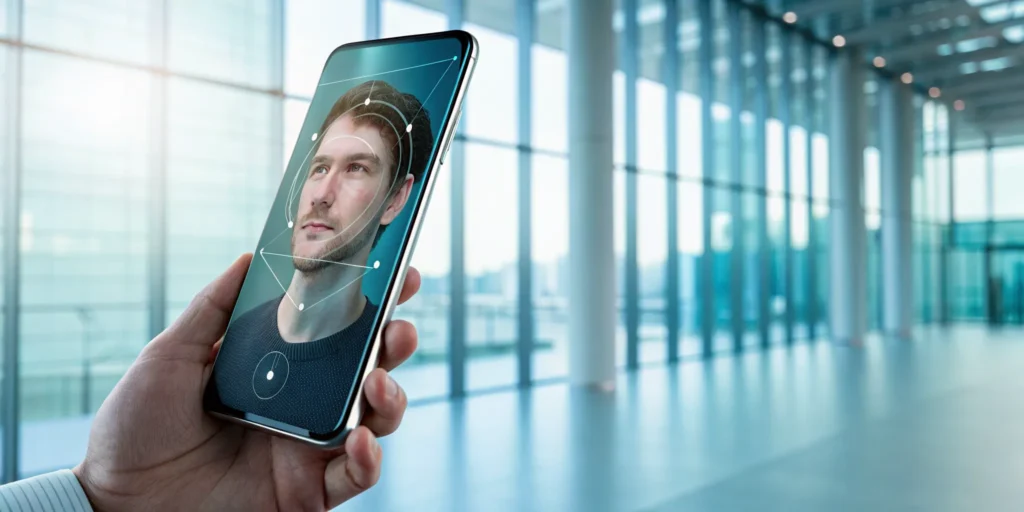
In an era of constant data breaches, users are more concerned about their privacy than ever before. They are rightfully wary of how their personal information is being handled, stored, and transmitted. Forcing them to send sensitive biometric data to a remote server for verification creates an immediate point of friction and risk. This is where a privacy-by-design philosophy becomes a critical advantage. Client-side liveness detection is built on this principle. The entire verification process happens securely on the user’s own device, meaning their unique facial geometry is never sent across the internet or stored in a central database. This approach fundamentally minimizes risk, simplifies compliance, and builds profound trust with your users from the very first interaction.
Key Takeaways
- Choose on-device checks for speed and privacy: Client-side liveness runs the verification on the user’s device, so sensitive biometric data never travels to a server. This makes the process nearly instant and dramatically reduces privacy risks.
- Stop fraud without frustrating your users: Modern liveness detection can work seamlessly in the background, confirming a user is real without requiring clunky or awkward actions. This provides strong protection against deepfakes while ensuring a smooth experience.
- Build a layered and evolving defense: Liveness detection is most powerful when it is not your only security measure. Combine it with multi-factor authentication (MFA) and commit to regular software updates to stay ahead of new fraud techniques.
What Is Client-Side Liveness Detection?
At its core, client-side liveness detection is a security check that confirms a user is a real, live person interacting with your platform in real time. The “client-side” part is what makes it special: the entire verification process happens directly on the user’s own device, like their smartphone or laptop. Instead of sending sensitive data to a server for analysis, the check is performed locally. This approach provides a fast, private, and secure way to distinguish a genuine user from a photo, a video, or a sophisticated deepfake.
How It Works on a User’s Device
This process uses the device’s camera to perform a quick, intelligent scan. It’s not just taking a picture; it’s running a sophisticated analysis right there on the phone or computer. Using advanced technologies that can map facial features, the system analyzes the user’s face for signs of life. The goal is to capture the unique characteristics of a living person in that specific moment. Because the analysis happens locally, it’s incredibly fast and doesn’t require a strong internet connection to send large video files, making for a much smoother user experience. It’s a powerful way to get a confident “yes, this is a real person” without adding friction.
Active vs. Passive: What’s the Difference?
Liveness detection comes in two main flavors: active and passive. Active liveness detection asks the user to participate in the check. You’ve probably seen this before: an app asks you to blink, smile, or turn your head. These simple, randomized actions prove you are physically present and responding to prompts, making it very difficult for a fraudster to use a static image or pre-recorded video. Passive liveness, on the other hand, works silently in the background. The user simply looks at the camera, and the system analyzes their face for natural, subtle movements without asking them to perform any specific actions. It’s completely frictionless and often preferred for its seamless user experience.
What Does Liveness Detection Actually Look For?
So, what exactly is the system searching for? It’s all about spotting the subtle details that separate a living person from a fake. For passive detection, the technology analyzes things like natural skin texture, the way light reflects off the curves of a face, and tiny, involuntary movements like microexpressions or the subtle sway of the head. It can even detect indicators of blood flow beneath the skin. For active detection, the system verifies that the user correctly performs a random series of actions, like opening their mouth or smiling. This challenge-response test makes it nearly impossible for a bad actor to anticipate the required action and spoof the system.
Client-Side vs. Server-Side: Which Is Better?
When you decide to use liveness detection, one of the most important choices you’ll make is where the analysis happens. Does it occur on the user’s device, or on your company’s servers? This isn’t just a technical detail; it has major implications for cost, user experience, privacy, and the overall security of your platform. The traditional method, known as server-side detection, involves sending user data to a central server for review. This was the standard for years, requiring businesses to invest in powerful, expensive infrastructure to process biometric information. While effective, this approach often introduced friction for users, who had to wait for their data to be uploaded and verified. It also created a central repository of sensitive data, which naturally becomes a target for bad actors.
The newer, more modern approach is client-side detection, which performs the check directly on the user’s phone or computer. By leveraging the processing power already available in everyone’s pocket, this method changes the game entirely. It promises a faster, more seamless experience for your users and a more secure, private-by-design framework for your business. Understanding the difference between these two approaches is the first step in building a verification system that is both secure and user-friendly. Each method has its own set of trade-offs, and the right choice depends on your specific needs. Let’s break down how each one works and explore which might be the right fit for your platform.
Understanding the Server-Side Approach
The server-side approach is the original method for liveness detection. Here’s how it works: a user captures a video or a series of images on their device, and that raw data is sent over the internet to your company’s servers. Your servers then perform the heavy computational work to analyze the data and determine if the person is real and physically present. Think of it like sending a package to a lab for analysis; the work happens at a central, remote location. While this method gets the job done, it comes with significant drawbacks. Maintaining the powerful servers needed for this kind of analysis is expensive and resource-intensive. It also introduces latency as large files are uploaded and processed, which can slow down the user experience.
Why Client-Side Comes Out on Top
Client-side liveness detection flips the script by performing the analysis directly on the user’s device. Instead of sending raw video to a server, the check happens locally on the phone or computer using its own processing power. This modern approach offers some serious advantages, making it a better and more efficient choice for most platforms. First, it saves money. By leveraging the user’s device, you eliminate the need for costly server infrastructure to run the checks. Second, it’s much faster. Since the analysis is done locally, verification is nearly instant, creating a smoother and less frustrating user experience. Most importantly, it’s more private. With a client-side liveness check, sensitive biometric data never has to leave the user’s device, dramatically reducing privacy risks.
Is There Still a Place for Server-Side?
Even with all the benefits of client-side detection, the server-side approach isn’t completely obsolete. It still has a role to play, especially as part of a layered security strategy. Since fraudsters are constantly developing more sophisticated AI-powered attacks, security systems must continuously evolve to keep up. Server-side models can be updated and trained centrally, allowing for rapid deployment of new defenses against emerging threats. The best strategy often involves a hybrid approach. You can use fast and private client-side detection for the initial check, providing a great experience for the vast majority of legitimate users. If the on-device check flags a high-risk or ambiguous case, you can then escalate it to a more intensive server-side analysis. This allows you to protect against advanced fraud without adding friction for everyone.
A Look Under the Hood: The Tech Behind Client-Side Liveness
So, how does a platform confirm you’re really you, just by looking at your face through a camera? It’s not magic; it’s a sophisticated process that happens right on your device. Client-side liveness detection uses a combination of advanced software to analyze your facial features in real time, creating a powerful security check that’s both quick and private. Instead of sending a video of your face to a distant server for analysis, the entire verification happens locally on your phone or computer, often in just a few seconds.
This on-device approach is a major shift from older, server-based methods. It relies on lightweight but powerful machine learning models that can run directly within a web browser or mobile app. These models are trained to do three key things: map the unique geometry of a user’s face, analyze it for signs of three-dimensional life, and intelligently spot attempts to trick the system. By keeping the entire process on the user’s device, platforms can verify human presence without ever having to handle or store sensitive biometric data. This is a huge win for user privacy and trust, giving businesses the confidence they need in their online interactions. Let’s take a closer look at the specific technologies that make this possible.
Real-Time Facial Mapping with MediaPipe and TensorFlow.js
The first step in any liveness check is to understand the face it’s looking at. This is done through real-time facial mapping. Modern client-side liveness detection uses incredible tools like Google’s MediaPipe Facemesh and TensorFlow.js to perform this check directly on a user’s device. MediaPipe creates a detailed 3D mesh of the face, plotting hundreds of points to map its unique topography. TensorFlow.js then allows the machine learning model to run this analysis right in the browser. This means the system can instantly create a mathematical representation of a face without ever recording or sending video footage anywhere, making the process both fast and secure.
Analyzing 3D Depth and Microexpressions
Simply recognizing a face isn’t enough to prevent fraud. The system also has to confirm that the face is a real, live person and not just a photo, a video, or a mask. This is where the analysis gets really smart. The technology looks for signs of three-dimensionality and life that are nearly impossible to fake with a simple spoof. It checks for realistic depth and contour, ensuring the face isn’t a flat image. It also analyzes the texture of the skin and looks for subtle, involuntary movements called microexpressions. Things like natural blinking and slight shifts in expression are key indicators that the system is interacting with a living, breathing person, not a static image or a pre-recorded video designed to bypass security.
How AI Models Stay Ahead of Spoofing Attacks
The world of online fraud is constantly evolving, with bad actors developing new ways to trick security systems. This is especially true with the rise of AI-generated deepfakes and other forms of synthetic identity. To stay ahead, the system can’t be static; it has to learn and adapt. This is where artificial intelligence and machine learning come in. Liveness detection models are continuously trained on massive datasets that include both genuine human faces and a wide variety of spoofing attempts. This training teaches the AI to recognize the subtle patterns and anomalies that signal fraud. As new attack methods emerge, the models are updated, making them an essential and ever-improving defense against even the most sophisticated spoofing attacks.
How Client-Side Liveness Strengthens Your Security
Client-side liveness detection isn’t just another security feature; it’s a fundamental shift in how you confirm a user is genuinely present. By verifying the user directly on their own device, you create a faster, more private, and surprisingly robust line of defense. This approach hardens your platform against a growing number of digital threats, from simple fraud to sophisticated AI-driven attacks. It moves the verification process to the edge, making it more difficult for bad actors to intercept data or fool your systems from afar. Let’s walk through exactly how this technology reinforces your security posture.
Stop Fraud in Its Tracks
At its core, liveness detection is about answering one simple question: is there a real, living person in front of the camera right now? This check ensures that someone isn’t just holding up a photo or playing a video to trick the system during an identity check. By confirming real-time human presence, you can shut down a huge category of fraudulent activities before they even start. This is critical for high-stakes moments like new user onboarding, password resets, or payment authorizations. It prevents bad actors from creating fake accounts at scale or taking over legitimate ones, directly protecting your platform and your users from the staggering costs of fraud.
Defend Against Spoofing and Deepfakes
Spoofing attacks are attempts to fool biometric systems with fakes, like printed photos, screen replays, or even realistic masks. Liveness detection is your primary defense against these tactics. It analyzes subtle cues that a static image or recorded video can’t replicate, such as natural head movements, blinking, and changes in lighting. As technology evolves, so do the threats. Advanced AI-generated deepfakes pose a more complex challenge, but modern liveness algorithms are specifically trained to spot the tiny artifacts and inconsistencies that give them away. This makes sure the biometric data you’re capturing is from a real person in that exact moment, securing accounts and building essential customer trust.
Why On-Device Processing Is a Stronger Defense
The “client-side” part of this technology is what makes it such a powerful security tool. Instead of sending a user’s video stream to a server for analysis, the liveness check happens directly on their phone or computer. This method, which often uses frameworks like MediaPipe and TensorFlow.js, means sensitive biometric data never has to travel across the internet. By keeping the entire process contained on the user’s device, you dramatically reduce the risk of man-in-the-middle attacks or server-side data breaches. It’s a more secure architecture by design, giving both you and your users greater peace of mind.
Pair Liveness With MFA for a Layered Defense
While powerful, liveness detection is not a standalone solution. It works best as part of a layered security strategy, particularly when paired with Multi-Factor Authentication (MFA). MFA requires users to provide multiple pieces of evidence to prove their identity. Liveness detection perfectly fulfills the “something you are” factor (biometrics) in a highly secure way. You can combine it with “something you know” (a password or PIN) or “something you have” (a registered device). This layered defense makes it exponentially more difficult for an attacker to gain unauthorized access, even if they manage to compromise one of the factors.
Better Security, Better Experience: How Client-Side Liveness Wins Over Users
For years, we’ve been told that stronger security has to come at the cost of a good user experience. We’ve all been there, stuck in a frustrating loop of forgotten passwords, delayed verification codes, and clunky authentication steps. It’s enough to make anyone abandon a purchase or delete an app. But what if you didn’t have to choose between protecting your platform and keeping your users happy? This is where client-side liveness detection changes the game.
By verifying a user’s presence directly on their device, this approach delivers robust security that feels intuitive, not invasive. It replaces friction with a fast, seamless interaction that builds confidence from the very first touchpoint. When you prove to users that you value their time and security in equal measure, you’re not just preventing fraud; you’re building the kind of trust that keeps them coming back. A positive verification experience sets the tone for the entire customer relationship, showing that you’ve designed your platform with a real person in mind.
Verify Users Instantly, Without the Hassle
One of the biggest wins for client-side liveness is speed. Because the liveness check happens right on the user’s own device, like their phone or computer, there’s no need to send large video files to a server and wait for a response. The verification is practically instant. This eliminates the awkward pauses and loading screens that create friction and cause users to drop off during critical moments like account creation or payment authorization.
Instead of a multi-step process that feels like a chore, users get a single, fluid interaction that takes just a couple of seconds. This frictionless approach is essential for maintaining momentum and ensuring users complete their intended action. By making security feel effortless, you can reduce churn and create a much more positive impression of your platform.
Guide Users with Real-Time Feedback
We’ve all struggled with technology that gives vague error messages, leaving us to guess what went wrong. Client-side liveness avoids this frustration by providing clear, interactive guidance. As the check runs on the device, the system can offer immediate feedback. If the lighting is too dim, the camera is at a weird angle, or the user’s face is partially covered, the app can instantly prompt them with simple instructions like, “Move closer to the camera” or “Find a brighter spot.”
Some systems also ask for simple, random actions, like a quick smile or a turn of the head, to confirm a user is truly present. This interactive process makes it incredibly difficult for spoofing attacks to succeed while making the experience feel more like a guided conversation. This real-time feedback loop empowers users to get it right on the first try, preventing errors and building their confidence in the process.
Ensure a Smooth Experience on Any Device or Network
Because client-side processing is lightweight, it delivers a consistent and reliable experience for everyone, regardless of their device or internet connection. The technology is designed to keep the app small and fast, so the identity check only happens when needed, making the entire process smoother. This means a user on a high-end laptop with fiber internet has the same quick, easy experience as someone on a budget smartphone using a spotty 4G connection.
This is a massive advantage for platforms with a global user base, as it ensures your security measures don’t exclude people in regions with less developed infrastructure. By performing the analysis on the device, you can authenticate users reliably without worrying about network latency or data costs. It’s a more equitable and accessible approach to security that works for real people in the real world.
Protect User Privacy by Design
In an online environment where data breaches are a constant threat, user privacy can’t be an afterthought. It has to be woven into the very fabric of your security systems. This is where client-side liveness detection truly shines. It’s built on a “privacy by design” philosophy, which fundamentally changes how biometric verification is handled. Instead of requiring users to send sensitive facial data to a remote server for analysis, the entire process happens securely on their own device. This simple shift has massive implications.
For users, it provides peace of mind, assuring them that their most personal data isn’t being collected, stored, or transmitted across the internet. For your platform, it’s a powerful way to build trust and demonstrate a genuine commitment to user protection. This isn’t just about ethics; it’s a strategic business advantage. Adopting a privacy-first technology like Realeyes’ VerifEye shows your community that you respect their data, a differentiator that can foster incredible loyalty. By keeping sensitive information where it belongs, you can implement robust security measures without forcing users into an uncomfortable trade-off with their privacy, all while simplifying your own compliance journey.
Keep Data on the Device and Minimize Risk
Client-side liveness detection performs its analysis directly on the user’s device, which is a game-changer for security. Instead of sending a user’s video feed to a remote server, the entire process happens locally. This is made possible by powerful, lightweight frameworks like MediaPipe Facemesh and TensorFlow.js that run right in the browser or app. Because the identity check happens on the device, the most sensitive data, the user’s biometric information, never has to travel across the internet. This dramatically reduces the risk of it being intercepted or exposed in a server-side data breach. It also keeps the application nimble and fast, creating a much smoother sign-up and verification process for your users.
Why Biometric Data Never Leaves the User’s Phone
Let’s be perfectly clear about this, because it’s the most important privacy benefit of all. With a client-side approach, your personal data stays on your device. It is not sent to a company’s server, which makes the entire process inherently more secure. Think about what that means. The system analyzes the user’s facial data in real time, on their own phone or computer, to confirm they are a live person. Once the check is complete, the raw biometric data is discarded. The only piece of information that leaves the device is a simple, cryptographically secure signal that says, “Yes, this is a real human.” Your platform gets the confirmation it needs without ever possessing or storing the user’s sensitive facial geometry.
Meet GDPR and Global Privacy Standards with Ease
Handling biometric data correctly is non-negotiable, especially with regulations like the GDPR in effect. Liveness detection is a vital tool for ensuring that the biometric data you interact with is from a real, present person, which is a cornerstone of secure authentication. By using a client-side approach, you sidestep many of the most challenging compliance hurdles. Since you aren’t transferring or storing users’ raw biometric information, you can more easily meet the strict requirements of global privacy laws. This helps you satisfy legal rules for things like GDPR and KYC (Know Your Customer), builds essential customer trust, and ultimately protects your bottom line by reducing fraud-related losses. It’s a smarter, more secure way to operate.
Clearing Up Common Myths About Client-Side Liveness
Client-side liveness detection is a game-changer for online security, but like any powerful technology, it’s surrounded by a bit of confusion. When you’re responsible for protecting your platform and its users, you need clarity, not hype. Let’s cut through the noise and tackle some of the most common myths about on-device liveness checks so you can make an informed decision. It’s all about understanding what this technology does brilliantly and where it fits into your broader security strategy.
Myth: It’s Completely Foolproof
Let’s be direct: no security measure is 100% perfect, and anyone who tells you otherwise isn’t giving you the full picture. While client-side liveness is an incredibly strong defense, determined fraudsters are constantly developing advanced AI tools like deepfakes and synthetic identities to try and beat the system. These attacks are becoming more sophisticated every day, capable of mimicking real human features with alarming accuracy.
In fact, a 2022 report revealed that many liveness tests used by major banks could be tricked by these emerging AI methods. This doesn’t mean liveness detection is ineffective. It means that the best solutions are the ones that are constantly learning and evolving. Think of it as a dynamic defense, not a static wall. It’s a critical layer that significantly raises the bar for attackers, forcing them to invest far more time and resources to even attempt a breach.
Myth: It Makes Server-Side Security Obsolete
Moving liveness detection from the server to the client was a huge leap forward. The old server-side approach was often slow, expensive, and used a ton of computing power. Exploring client-side liveness shows how on-device processing made identity verification faster and more accessible. However, this doesn’t mean server-side security is now irrelevant. The smartest security strategies are built in layers, and client-side liveness is just one of those layers, albeit a very important one.
Your server-side infrastructure still plays a vital role in overall security, managing data, running business logic, and providing a second line of defense. The best practice is to add liveness detection to your existing security systems, like during account creation or high-stakes logins. Client-side liveness acts as your frontline guard, stopping most threats at the door, while your server-side protocols act as the next layer of protection inside.
Myth: It Always Creates a Bad User Experience
Many of us have been conditioned to believe that more security means more hassle. We’ve all been there, fumbling through clunky verification steps that make us want to give up. This is where modern client-side liveness really shines. The goal isn’t just to be secure; it’s to be secure without frustrating your legitimate users. This is achieved through something called passive liveness detection.
Instead of asking users to follow a series of commands like “turn your head” or “blink now,” passive systems verify liveness seamlessly in the background during a natural selfie capture. The analysis happens instantly on the device, making the sign-up or login process incredibly smooth and quick. This approach provides robust security against spoofing attacks while ensuring a positive user experience, which is essential for keeping your customers happy and engaged.
What Are the Challenges of Client-Side Liveness?
Client-side liveness detection is a huge step forward for online security, but it’s not a magic wand. Like any powerful technology, it comes with its own set of hurdles. Implementing it effectively means understanding these challenges and planning for them from the start. The main obstacles fall into three buckets: the sheer variety of user devices, the constant need for pinpoint accuracy, and the relentless pace of sophisticated fraud. Thinking through these issues is key to building a system that’s both secure and user-friendly, ensuring you’re protecting your platform without frustrating your real, human users.
Handling Different Devices and Hardware
One of the biggest challenges for client-side liveness is that it has to work flawlessly on every device imaginable. From the latest flagship smartphone to a budget tablet from a few years ago, the hardware capabilities can vary dramatically. A system might run slower or feel clunky on older devices with less processing power or lower-quality cameras. This inconsistency can lead to a frustrating user experience, where some people breeze through a check while others get stuck. The goal is to create a lightweight solution that delivers a smooth, fast verification for everyone, ensuring that your security measures don’t accidentally exclude users with less powerful hardware.
Addressing Accuracy Gaps and False Positives
A liveness check has to walk a very fine line. On one hand, it needs to be sensitive enough to catch fakes. It does this by analyzing subtle cues that prove a person is real and physically present, like the way light reflects off skin or tiny, involuntary facial movements. On the other hand, it can’t be so sensitive that it rejects legitimate users. A false positive, where a real person is flagged as a spoof, creates friction and can drive users away. The challenge is tuning the AI models to be incredibly precise in all kinds of real-world conditions, from a dimly lit room to a shaky camera, to minimize errors and keep the experience seamless for your actual customers.
Staying Ahead of Sophisticated Fraud
The fight against fraud is a constant cat-and-mouse game, and the threats are getting smarter all the time. We’re no longer just dealing with printed photos or masks. Today, fraudsters use advanced AI tools to create convincing deepfakes, realistic avatars, and even synthetic identities that can fool basic security checks. In fact, reports show that attempts to bypass facial recognition with these methods are skyrocketing, with one analysis noting a 704% increase in a single year. This means a “set it and forget it” approach to liveness detection won’t work. The underlying AI models must be continuously trained on the newest spoofing techniques to keep your platform secure against evolving threats.
How to Integrate Client-Side Liveness the Right Way
Adding client-side liveness to your platform is a huge step forward for security, but it’s not a magic wand. A successful integration is about more than just flipping a switch; it requires a thoughtful strategy that balances robust protection with a smooth user experience. If you just drop the technology into your app without considering the bigger picture, you risk creating friction for real users while still leaving gaps for determined fraudsters.
The key is to build a comprehensive security framework around your liveness detection tool. This means you can’t rely on a single point of defense. Instead, you need to create layers of security, stay on top of the latest threats by keeping your software current, and design a process that guides your users to success instead of frustrating them. Getting these three elements right is what separates a truly secure platform from one that just looks secure on the surface. It’s how you build real, sustainable trust with your community.
Layer Your Defenses with Multi-Factor Authentication
Think of client-side liveness as your star player on defense. It’s incredibly effective, but it shouldn’t be the only one on the field. The strongest security postures use a layered approach, and that’s where multi-factor authentication (MFA) comes in. By combining liveness detection (something the user is) with other factors like a password (something the user knows) or a device verification (something the user has), you create a much more formidable barrier against attackers.
This strategy enhances security by ensuring that even if a fraudster somehow manages to bypass one layer, they’ll be stopped by the next. For example, a highly sophisticated deepfake might trick a liveness check, but without the user’s password, the account remains safe. This multi-layered approach makes your system resilient and gives you confidence that you’re only authenticating genuine humans.
Keep Your Algorithms Fresh with Regular Updates and Testing
The world of digital fraud is a constant cat-and-mouse game. As soon as a new security measure is developed, bad actors are already working on ways to defeat it. That’s why integrating client-side liveness is not a “set it and forget it” task. To stay effective, your security tools have to evolve right alongside the threats they’re designed to stop.
This means you have to keep your SDK updated with the latest versions from your provider. These updates aren’t just for bug fixes; they often contain critical improvements to the AI models that power liveness detection, making them smarter and better equipped to identify new spoofing techniques. Regularly updating your software ensures you always have the most current defenses in place, protecting your platform and your users from emerging threats.
Guide Your Users Through the Process Seamlessly
A security check is useless if your legitimate users can’t get through it. That’s why a successful integration hinges on a user-friendly experience. Instead of presenting a cold, technical challenge, your platform should actively help users complete the liveness verification quickly and easily. This means providing clear, real-time feedback and simple on-screen instructions.
By guiding users through simple, randomized actions like smiling or turning their head, you make the process intuitive while simultaneously making it much harder for static photos or basic video spoofs to pass. A smooth, guided experience reduces user frustration and abandonment, turning a potential point of friction into a seamless and reassuring step that reinforces trust in your platform. It proves that strong security and a great user experience can, and should, go hand in hand.
The Future of Client-Side Liveness Detection
Client-side liveness detection isn’t a static solution; it’s a dynamic field that is constantly evolving to counter new and emerging threats. As fraudsters get more creative with deepfakes and synthetic identities, the technology designed to stop them gets smarter, too. This constant innovation is driven by advancements in artificial intelligence and a growing understanding of how to apply this tech across different industries. The future of liveness is not just about becoming more secure, but also about becoming more integrated, intuitive, and essential for building trust online. It’s about creating a digital world where we can be confident that the person on the other side of the screen is exactly who they claim to be. As we look ahead, the focus is shifting toward making these security measures even more seamless. The goal is to verify human presence without interrupting the user’s flow, blending robust security with an effortless experience. This evolution is critical for any platform that wants to scale securely, protect its community, and maintain user confidence in an increasingly complex digital landscape.
How AI Improvements Are Making Liveness More Accurate
At its core, liveness detection is the main defense against AI-generated deepfakes and synthetic identities that can fool traditional systems. The real magic, however, is how it stays ahead. Modern liveness solutions use AI and machine learning to constantly learn and get better at spotting new types of fraud. Think of it as a security system with a built-in brain. Every time it encounters a new spoofing attempt, it analyzes the data and updates its models. This continuous learning process makes the system more resilient over time, allowing it to identify subtle patterns and anomalies that would be invisible to a static program. It’s this adaptive intelligence that makes client-side liveness a formidable opponent for even the most sophisticated attacks.
New Ways to Use Liveness Detection Across Industries
While preventing fraudulent logins is a key function, the applications for client-side liveness are expanding rapidly. For example, these liveness tests are becoming essential for stopping identity fraud in banking, especially for “know your customer” (KYC) checks during account opening. Using AI directly on a user’s device for KYC is a huge step forward for digital identity verification, making the process faster and more secure. Beyond finance, industries are using liveness for age estimation to control access to age-restricted content or products. As more of our lives move online, from telehealth appointments to remote proctoring for exams, client-side liveness provides a reliable way to confirm human presence and identity in countless scenarios.
Choose the Right Liveness Approach for Your Platform
Integrating liveness detection isn’t a “set it and forget it” task. To truly protect your platform, you need a strategic approach. First, it’s critical to always use the latest liveness model version available. As Microsoft’s own guidance suggests, creating a liveness session with an up-to-date model ensures you have the most current defenses against new threats. Second, businesses should add liveness detection technology to their existing biometric security systems. By requiring a liveness check when users sign up for new accounts or log in, you create a powerful, layered defense that protects against advanced fraud from day one. This proactive stance is key to maintaining a secure and trustworthy environment for your users.
Related Articles
- Liveness Detection for Secure Account Login: A Guide
- On-Device Liveness Detection: A Complete Guide
- Liveness Check for Sign Up Forms: A Complete Guide
- Passive Liveness vs Active Liveness: Which Is Best?
- Liveness Detection API: The Ultimate Guide
Frequently Asked Questions
What is the difference between “active” and “passive” liveness detection? Active liveness detection asks you to perform a specific action, like smiling or turning your head, to prove you are a real person responding to a prompt. Passive liveness, on the other hand, works silently in the background. You simply look at the camera, and the system analyzes subtle, natural cues like skin texture and microexpressions to confirm you are physically present. Passive detection is generally preferred because it creates a faster and more seamless experience for the user.
If the check happens on the user’s device, couldn’t a savvy fraudster just bypass it? This is a great question, and it gets to the heart of the technology’s design. While no security system is completely impenetrable, client-side checks are incredibly difficult to fool. The machine learning models that run on the device are sophisticated and often encrypted, making them hard to tamper with. The system analyzes a live camera feed in real time, looking for signs of three-dimensionality and subtle movements that are nearly impossible to replicate with a simple spoof, creating a very strong and immediate line of defense.
Will this work for all my users, even those with older phones or slow internet? Yes, and that’s one of the biggest advantages of a client-side approach. The technology is specifically designed to be lightweight and efficient, so it can run smoothly on a wide variety of devices, not just the newest models. Because the analysis happens locally, it doesn’t need to upload large video files to a server. This means the verification is fast and reliable even for users with a poor or unstable internet connection, ensuring a consistent experience for everyone.
Is liveness detection a replacement for passwords or two-factor authentication? Think of it as a powerful upgrade to your security strategy, not a total replacement. Liveness detection works best as part of a layered defense, often called Multi-Factor Authentication (MFA). It perfectly satisfies the “something you are” biometric factor. You can combine it with something a user knows, like a password, or something a user has, like their phone. This layered approach makes it exponentially harder for an attacker to gain access to an account.
How does this technology keep up with new threats like deepfakes? The fight against fraud is a continuous process, not a one-time fix. The best liveness detection systems use artificial intelligence that is constantly learning. These AI models are trained on massive datasets that include the very latest spoofing techniques and deepfake attacks. Providers regularly release updates to their software, making the detection models smarter and more resilient over time. This ensures your platform is protected against not just today’s threats, but tomorrow’s as well.