


Survey Fraud Detection: Protect Your Market Research
A survey filled with fake data is worse than no data because it leads to expensive business mistakes. When bot networks and click farms skew results, your entire market strategy begins to rot.
Verify real humans without the friction. Request a VerifEye demo today.
Modern survey fraud detection must go beyond simple IP checks to stop advanced bot attacks and fake users. As scripted responses grow, researchers find that much of their data is tainted by non-human actors. This creates a massive economic impact of survey fraud detection that threatens over $1 trillion in global business choices each year. To fix this, firms are moving toward easy human verification that confirms a real person is behind every profile. Data from emporiaresearch.com shows that nearly one in three people in some studies may be fake. By finding the human signal in real time, companies can filter out bad actors and ensure their insights are based on true human thoughts.
Learning how these bad actors work is the first step to fixing your data quality. We will look at the full scale of this threat in Why Does Survey Fraud Quietly Corrupt Market Research? The search for these hidden weak spots begins as we examine.
Why Does Survey Fraud Quietly Corrupt Market Research?
Survey fraud corrupts market research by introducing automated bot responses, professional survey takers, and click farms into research panels. When fake data skews these datasets, companies make flawed product and marketing decisions. Implementing robust survey fraud detection is essential to filter out non-human responses and protect research investments.
Most brands rely on user feedback to make big moves. But many of these studies face a hidden threat. Experts say that 15% to 30% of all market research data might be fake. This problem often goes unseen by teams who trust their data pools. Without strong survey fraud detection, brands risk building their future on wrong facts. This trend is not just a small error. It is a large crisis that hurts the value of every study.
The High Price of Bad Data
When survey data is bad, the cost is high. Firms spend a lot of money on research each year. If a third of that data is fake, the waste is huge. Even worse, bad data leads to poor choices. It can cause a brand to launch a product that no one wants. This creates a massive human-centric platform for survey verification for firms that fail to act. They lose money on ads, stock, and new ideas.
Bad data also hurts trust. Leaders may stop trusting research if the results do not match real sales. This can slow down a firm. Instead of moving fast, teams must pause to check their facts. The damage spreads far beyond the research team. It hits the bottom line and the brand’s place in the market.
How Prizes Attract Fake Users
Why is there so much fraud? The answer is simple: money. Most surveys offer prizes like gift cards or cash. These rewards are meant to thank real people for their time. But they also attract people who want to cheat. These fake users join many survey panels to get as many prizes as they can. They do not care about the questions. They just want the payout.
These paid users are a major source of fraud. They learn how to trick the system. They give fast, random answers to get through the work quickly. This act skews the results. It makes it hard for brands to find the true voice of their users. When prizes are the main goal, the worth of the data drops.
The Threat of Automated Bot Attacks
Fraud is not just about people being fake. It also involves tech tools. Bad actors use bot attacks to create many fake records in a short time. These bots can fill out hundreds of surveys while a real person is still reading the first page. They use software to change their answers so they do not look like bots.
These attacks can drown out real voices. They make it look like a new idea is liked when it is not. Old tools often fail to stop these bots. This is because the software gets smarter every day. If a brand does not use new tools to find bots, they will never see the full truth. The risk is too big to ignore in a world that moves so fast.
What Are the Common Red Flags of Survey Fraud in Market Research?
The common red flags of survey fraud include speed running (finishing long surveys in seconds). Gibberish or duplicated open-ended text, inconsistent demographics across questions, and mismatched or data-center IP addresses. Identifying these anomalies through automated checks is critical to keeping panel research clean.
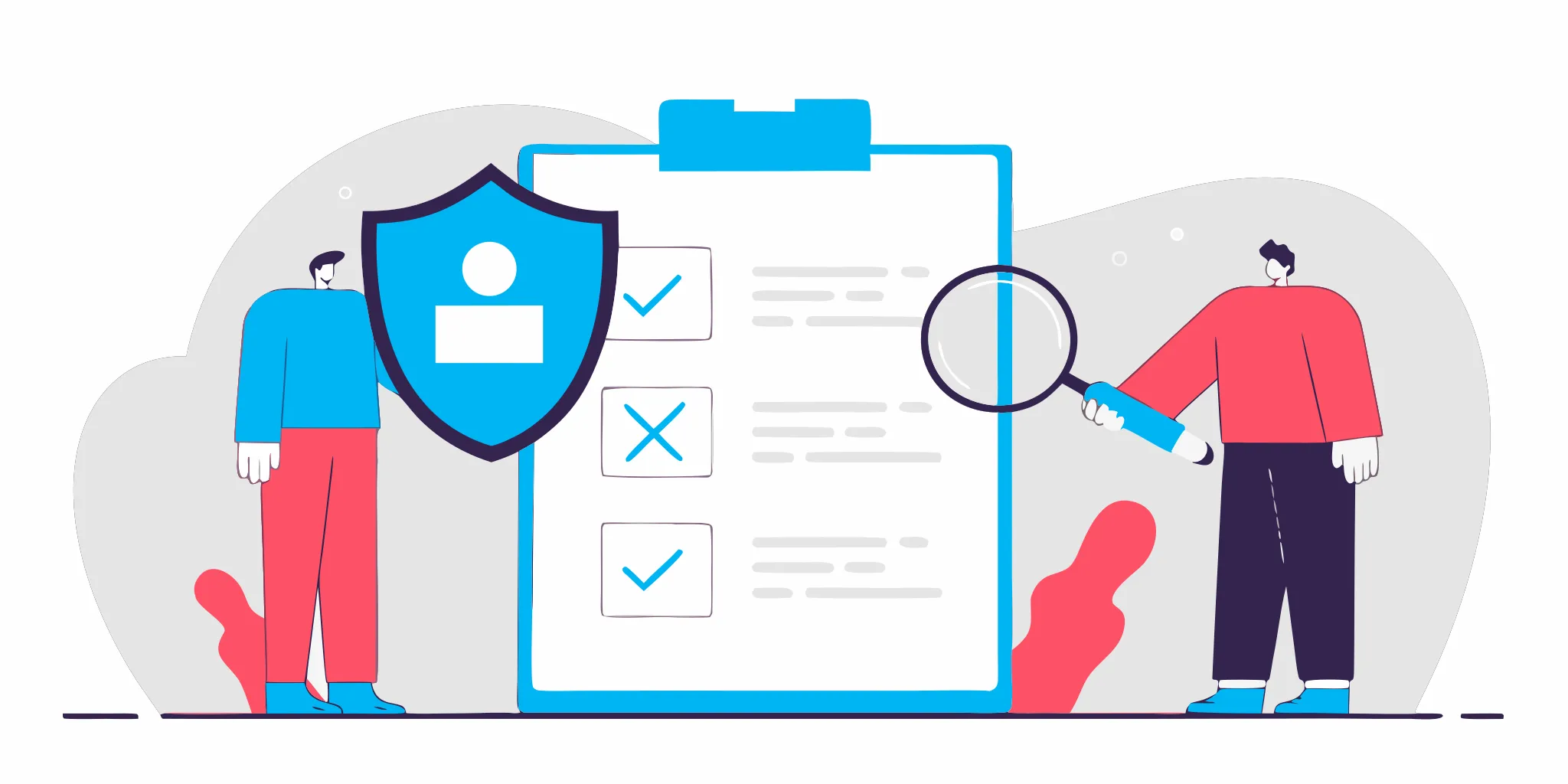
The rise of automated fraud poses a direct threat to the value of your insights. Modern bot attacks use specialized software to create many fake records. These bots can quickly drown out real human voices in your data. To protect your research, you must know how to find these anomalies before they corrupt your final results.
The Problem with Automated Bot Attacks
Bots do not just guess at answers. They often mimic human patterns to stay hidden while they collect incentives. These tools can fill out hundreds of forms in minutes. If you do not catch them early, your data will show trends that do not exist in the real world.
Identifying these fake participants needs more than just a quick look at the data. You need a clear process to check for signs of fraud at every stage. High-quality survey fraud detection integration helps you find these bots by looking for errors that human users rarely make.
Four Steps to Find Data Anomalies
You can use these steps to spot fake respondents and keep your data clean:
- Check for speed runners. Human users take time to read questions and think about their answers. If a user finishes a long survey in a few seconds, it is likely a bot. Set a minimum time limit to flag these cases.
- Review open-ended text. Bots often use gibberish or copy-paste text from other sites to fill out text boxes. Look for answers that do not match the question. Some bots also repeat the same phrase many times.
- Look for inconsistent answers. Real people have stable traits and opinions. If a user says they are 20 years old in one section but 50 in another, they are likely a fake. Use trap questions to catch these lies.
- Verify location data. Many bot farms use tools to hide where they are. Check for IP addresses that do not match the expected region. Also watch for IPs from data centers rather than home networks.
Why Manual Cleaning is Not Enough
Cleaning data by hand takes too much time and often misses subtle patterns. Many teams now use automated tools to handle this burden. By using advanced detection methods, you can find suspicious users that manual checks might miss. This ensures your data stays pure and your business decisions stay sound.
Why Do Speed and IP Checks Fail to Stop Modern Survey Fraud?
Traditional speed and IP checks fail because modern survey bots use rotating proxy networks to mask locations and add randomized delays to mimic human reading speed. Relying on basic digital footprints leaves platforms vulnerable to sophisticated bot networks that easily bypass static CAPTCHAs and security rules.
Most market research firms use a set of basic tools to protect their data. These stacks often rely on simple checks to find bad actors. For a long time, teams thought these steps were enough to keep surveys clean. But as bots get smarter, these old ways start to fail. Relying on basic tools often leads to a false sense of safety. The data might look clean, but deep issues remain.
Common barriers in standard checks
Standard survey fraud detection often starts with a few key steps. These methods look at the surface of a user’s session to find signs of a bot. They often include:
- IP checks to block known server farms.
- Device tracking to find repeat entries from the same user.
- Speed checks to catch users who finish too fast.
While these steps catch some low-level fraud, they are easy for modern bots to skip. Bots can now mimic human speed by adding random pauses. They can also use rotating IPs to look like they are in a safe area. This makes standard checks less useful than they used to be.
The high failure rate of basic tools
Standard bot checks like CAPTCHAs are also losing their power. These tests ask users to pick photos or type letters to prove they are human. While these checks were once strong, they now create too much friction for real users. More importantly, they do not stop AI-powered bots that can solve these puzzles with ease. This failure adds to the uniqueness verification and MFA options errors on big business choices.
Because these tools are easy to trick, many bad records still get through. Bot attacks use software to change survey results by creating many fake records. When these fake voices drown out real ones, the research loses its value. Standard stacks simply cannot see the complex ways that modern bots act.
Why advanced checks flag more fraud
Old ways often miss the bulk of fraud because they only look at the surface. They do not check if there is a real person behind the post. This is why more teams are moving toward tools like Realeyes VerifEye. These tools do not just look at where a user is. They look at human signals to see if a user is real and unique. They work quietly to stop fraud without adding friction to the user path.
The gap between old and new tools is clear. In many cases, advanced fraud checks flag nearly 1 in 3 respondents as suspicious. This is a much higher rate than what hand cleaning or basic tools can catch. Using better checks helps teams find the fraud that was hiding in plain sight. It ensures that the final data is based on real human thoughts, not bot-led noise.
Ensure 100% human-verified survey respondents. Book your discovery call with Realeyes today.
Comparing Fraud Mitigation Tools: CleanID, Qualtrics, and VerifEye
Research teams have many tools to choose from when they need survey fraud detection. Each tool uses a different way to find bad data. Some look at the device. Others look at how a person acts. Finding the best one means you must balance two goals. You want to stop bots, but you do not want to slow down real people. If you add too much friction, good users will quit before they finish. This can hurt your study just as much as a bot attack. You need a system that is fast, fair, and firm.

Digital footprint checks
Most basic platforms use digital checks to find fraud. Qualtrics is a popular choice for this. It uses browser fingerprinting to track users. It looks for cookies and device IDs to see if the same person is taking a survey twice. If a user tries to enter again from the same browser, the system flags them as a duplicate. This is a simple and fast way to keep data clean. It works well for small studies with low stakes. It helps teams get started without complex setups.
But these basic checks have big gaps. Smart bots can clear their cookies or hide their device IDs. They can also use different IP addresses to look like many people. Standard checks often use CAPTCHAs to stop bots. These tests are hard for humans but easy for AI bots to solve now. They add friction and make people feel annoyed. Because of this, some bad data can still leak into your results. This can skew your findings and lead to the wrong results for your brand.
Risk scoring and panel checks
CleanID by OpinionRoute is a more advanced tool. It does not just look at one device ID. It looks at many data points at once. It checks IP addresses against lists of known bad actors. It also looks for professional survey takers who try to game the system for money. This tool gives each user a risk score. High scores mean the user is likely a bot or a fake person. This helps researchers find patterns that simple tools miss. It adds a layer of safety for large studies.
The modern biometric human authentication is a major concern for big firms. When bad data enters the mix, it can lead to poor business choices. This can waste millions of dollars in marketing or product costs. CleanID helps reduce this risk by flagging suspicious users before they can submit their answers. It is a good choice for teams who manage large panels and need a robust way to screen users. But high risk scores can sometimes flag real people by mistake. This can lower the quality of your sample and bias your data.
The human verification approach
Realeyes VerifEye takes a unique path to solve these problems. It does not rely on old digital footprints. Instead, it uses a human-in-the-loop system. It confirms that a real person is behind the screen in real time. This method is very hard for bots to fool. It stops bot attacks that use automated software to create fake survey records. This protects the quality of your research without making users jump through hoops. It keeps the process smooth for everyone.
VerifEye is a frictionless tool. Users do not need to show an ID or scan a document. The check happens quietly in the background. It also keeps user data safe. It does not store personal info or keep a record of who took the survey. This privacy-first approach is vital for modern research. It allows firms to get high-quality data without the legal risks of storing private data. It is a smart move for any team that wants to stay human in a digital world. You get the truth without the trouble.
| Feature | Qualtrics | CleanID | VerifEye |
|---|---|---|---|
| Core Method | Browser Tracking | Risk Scoring | Human Verification |
| User Friction | Medium (CAPTCHAs) | Low to Medium | Very Low |
| Privacy | Uses cookies | Checks IP lists | No stored data |
| Bot Defense | Good for basic bots | High for known risks | 96% Detection Rate |
| Duplicate Check | Device based | Pattern based | Confirmed unique |
Each of these tools has its own strengths. Qualtrics is easy to use if you already have their survey platform. CleanID is a great way to manage risk across many different sources. VerifEye offers the best protection against the most advanced threats. By using these tools, research teams can make sure their data is real and ready for use. Choosing the right tool will help you get the best insights for your brand. High-quality data leads to better choices and more growth for your business.
How Kantar Profiles Achieved Near-Perfect Survey Fraud Detection
Kantar Profiles runs panels that global brands use to make big business choices. These brands need to know that the people taking their surveys are real. However, keeping survey data clean is a hard task. Kantar saw a big rise in fake users trying to game the system. To protect their clients, they needed a more powerful way to spot and stop bad actors.
The high price of low data quality
The scale of the fraud problem in market research is large. In late 2022, Kantar found that researchers had to discard up to 38% of the data they collected. This happened because of fraud and poor data quality. Many of these issues come from professional survey takers. These people are often driven by the draw of cash payouts and try to take as many surveys as they can.
When a third of the data is bad, it hurts the whole project. It costs more money and takes more time to fix the errors. Worse, it can lead to bad business choices if the fraud is not caught. Kantar knew they had to find a better way to filter out these fake users while keeping the good ones.
Why bots bypass common security checks
Most survey fraud detection tools use simple rules to find bots. They might check a user’s IP address or see how fast they finish a survey. While these checks help, they are no longer enough. Modern bot attacks use smart software to mimic how people act. These bots can create many records to change survey results and hide their tracks.
Many sites also use CAPTCHAs to stop bots. But these tools often fail to stop the best bots and make real people annoyed. Kantar needed a tool that was both more exact and easier for real people to use. They looked for a way to prove a person was real without adding new hurdles to the survey process.
Real-world results with VerifEye
Kantar chose to use Realeyes VerifEye to solve this challenge. VerifEye uses a human-in-the-loop way to verify users in seconds. It looks for a human signal that bots cannot copy. This process happens quietly in the back. It does not ask users to solve puzzles or scan papers. This helps Kantar keep their survey flow smooth.
The data from this teamwork shows a big win for survey quality. By using VerifEye, Kantar was able to achieve near-perfect survey fraud detection across their panels. They found that the tool caught 96% of fraud. Even more important, the false positive rate was only 0.67%.
This low rate means that real people were almost never blocked by mistake. Kantar now provides data that is both clean and true. Brands can use these insights to make big bets with trust. For Kantar, this tech has turned a major risk into a clear lead in the market.
Stop bots from ruining your research. Schedule a VerifEye demo today to protect your panels.
Frequently Asked Questions About Survey Fraud Detection
What is survey fraud?
Survey fraud happens when people or bots give fake answers to get rewards. This often involves speed-running through questions or using bots to create many accounts. According to the NIH, these bot attacks can drown out real voices and lead to wrong data. It is a major problem for firms that need real insights. Without the right tools, these fake users can skew results and waste your budget.
Is survey fraud illegal?
Survey fraud is rarely a crime, but it often breaks the rules of survey panels. For firms, the real risk is in the data they use. Trusting fake data can lead to legal issues if it is used for public claims. According to Emporia Research, relying on bots can lead to FTC checks. This happens when the data is not true. It is safer to use advanced tools to find and stop these issues early.
How can I detect survey fraud in my research?
You can spot fraud by looking for red flags like fast finish times or odd IP addresses. Many firms throw away up to 38% of their data due to these quality issues. You should also check for duplicate answers and mixed results. Advanced tools like VerifEye make this easier. They look for real human signals instead of just basic clicks. This helps you keep your data clean and your insights strong.
What technologies are used for automated survey fraud detection?
Modern systems use several layers to stop bots. This includes IP checks, device tracking, and human signal tests. According to Realeyes digital trust research, tools like VerifEye catch 96% of fraud with very few false flags. These tools look for real human traits in seconds. This is better than old methods like CAPTCHAs, which bots can now bypass. Using smart tech ensures your research stays fast, private, and accurate without adding friction for real users.
Ready to stop survey fraud?
Ignoring panel fraud costs more than just lost time and money. It puts your key business choices at risk by using data you can not trust. Bad data leads to bad choices that can harm your growth and your brand name. You can act now to fix your data quality and make sure every voice you hear is real. By using the right tools today, you protect the value of your market research for years to come. Do not let bots skew your view of the market when you could have clean data right now. The longer you wait, the more fraud creeps into your stack. You can take control of your panel health by starting today with a clear plan to verify real people.
Ready to request a demo? Schedule a free consultation to talk to a team member about VerifEye.