

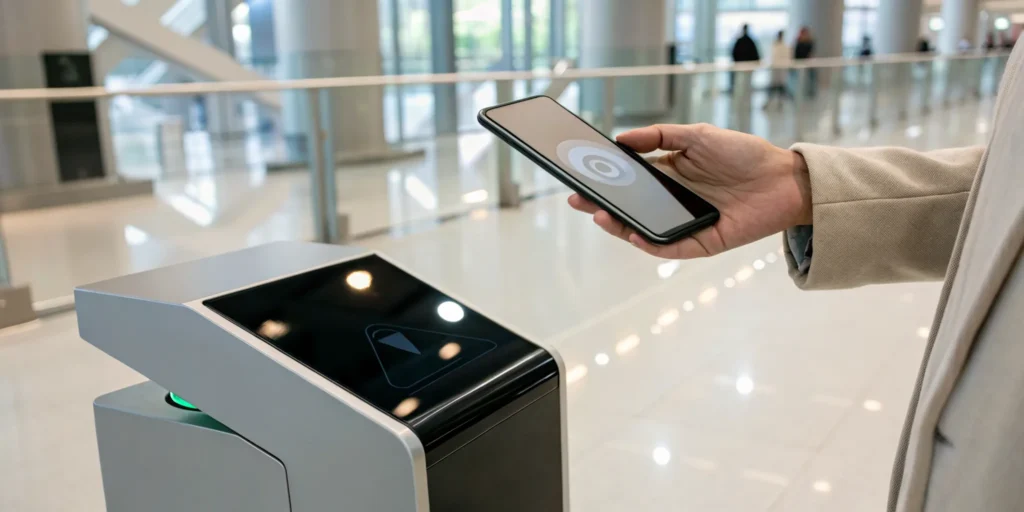
Bots, deepfakes, and fake accounts make it tough to know who’s real online. How can you be sure the person on the other side of the screen is a real, age-appropriate human? Outdated checkboxes are easily skipped, leaving your platform vulnerable and your community at risk. So, can you get secure age verification without user friction? Absolutely. This is the core purpose of frictionless age verification. It’s not about adding barriers; it’s about building trust by quietly confirming that your users are genuine. Here, we’ll explore how this technology helps protect your platform and create a safer space.
Key Takeaways
- Protect Your Revenue by Eliminating Friction: Clunky verification steps, like asking for an ID upload, interrupt a customer’s momentum and lead directly to lost sales. A smooth, background process respects your user’s time and keeps them on the path to purchase.
- Strengthen Customer Trust Through Privacy: Asking users to upload sensitive documents can create immediate distrust. Frictionless methods verify age without storing personal data, showing customers you take their privacy seriously and building a foundation for a secure relationship.
- Simplify Compliance and Reduce Costs: Automating age verification is a smart operational move. It helps you confidently meet diverse global regulations while eliminating the high costs and human error associated with manual document reviews, freeing up your team for more important work.
What Is Frictionless Age Verification?
Frictionless age verification is exactly what it sounds like: a way to confirm a user’s age without interrupting their experience. Instead of asking users to stop what they’re doing to find and upload a driver’s license, this modern approach uses data and technology to verify age quickly and quietly in the background. The goal is to create a seamless, secure process that protects both your business and your users without adding frustrating hurdles. It’s about making age checks a simple, integrated part of the user journey, not a roadblock.
How Does Frictionless Verification Actually Work?
So, how does a platform check someone’s age without a fuss? It comes down to using the right technology for the job. The options range from behind-the-scenes data checks to quick, AI-powered scans. For instance, some systems use biometric facial analysis to estimate age from a selfie, a process that takes only a second. Others might cross-reference information the user has already provided, like their name and address, with trusted third-party databases. The key is that these methods are designed to be fast and intuitive, replacing the clunky, manual document uploads of the past.
How AI Estimates Age Without an ID
Artificial intelligence is a major player in making age verification truly frictionless. AI-powered systems can analyze various data points to produce a reliable age estimate without ever needing to see a physical ID. For example, some innovative platforms can estimate age based on an email address or phone number by looking at associated data signals. This low-friction approach is perfect as a first-pass check. It allows the vast majority of legitimate users to proceed without interruption, enhancing the user journey and keeping your business moving. More intensive checks can be reserved for cases where the initial estimate is uncertain.
Measuring the Accuracy of AI Age Estimation
It’s fair to wonder just how precise these AI estimates are, especially when compliance is on the line. The technology has become remarkably reliable, with leading systems demonstrating a very small margin of error. For instance, AI age estimation is often accurate to within about 1.2 years for the critical 18–21 age group and within 1.3 years for teens aged 13–17. This level of precision is highly effective for helping platforms confidently meet regulatory requirements and protect minors from accessing age-restricted content or products. It provides a strong, data-driven signal that helps separate legitimate users from those who shouldn’t have access, all without adding frustrating steps for the customer.
Why Digital Identity Is Key to Verification
Ultimately, age verification is one piece of a much larger puzzle: digital identity authentication. It’s not just about confirming a user is old enough to access your content or buy your product; it’s about ensuring they are a real, unique human being. A robust digital identity system provides a holistic view of the user, building a foundation of trust. This is especially important for global platforms, as these systems must be flexible enough to handle different age requirements across various regions, like the different legal ages for gambling or purchasing alcohol.
Beyond Age: The World of Frictionless Authentication
While confirming a user’s age is a critical step for many platforms, it’s often just the first layer of a much deeper challenge. The bigger question is: Is there a real person on the other side of this interaction? In a digital landscape where bots can mimic human behavior and deepfakes can deceive even a trained eye, simply knowing a user’s age isn’t enough. This is where the world of frictionless authentication truly shines. It moves beyond a single data point to quietly confirm genuine human presence, protecting your platform from fraud, fake accounts, and automated abuse. By verifying the human behind the screen without adding frustrating steps, you build a secure environment where trust can flourish, ensuring your community and your business are built on a foundation of real, authentic interactions.
Why Frictionless Beats Traditional Age Verification
When you need to verify a user’s age, you’re standing at a crossroads. One path leads to the traditional, often clunky methods we’ve all experienced. The other path uses modern technology to create a process so smooth, users barely notice it’s happening. The difference between these two approaches is about more than just convenience; it impacts everything from your conversion rates to your customers’ trust in your brand.
Traditional verification often feels like a digital roadblock. It interrupts the user’s journey, demanding they stop what they’re doing to prove their age. This creates friction, which is any obstacle that makes it harder for a user to complete their goal. In contrast, frictionless verification removes these barriers. It works quietly in the background, using smart technology to confirm age without disrupting the experience. Choosing the right method is essential for keeping users engaged and your platform secure.
Why Traditional ID Checks Frustrate Users
Let’s be honest: nobody enjoys digging out their driver’s license to take a selfie for an online purchase. Yet, this is the reality of many traditional age verification systems. These methods rely on users manually uploading photos of their ID or entering sensitive information like Social Security numbers. Not only is this process slow and frustrating for the user, but it’s also surprisingly vulnerable. Simple self-declarations or credit card checks are easily bypassed. Even photo IDs can be forged. This approach puts the burden entirely on the customer and introduces a significant point of failure, creating a poor experience that doesn’t guarantee security.
How Minors Bypass Traditional Age Gates
It’s not just that traditional age checks are frustrating; they’re also surprisingly easy to fool. The most common method is the simplest: lying. Outdated self-declaration checkboxes offer virtually no real barrier, allowing anyone to claim they meet the age requirement with a single click. But minors are also using more sophisticated tactics to get around these gates. Research shows that 38% use fake IDs, and a concerning 11% now use AI-generated fake faces, or deepfakes, to pass verification. When the process can be defeated with a borrowed ID or a simple AI tool, it proves that older methods are no longer sufficient, leaving your platform and your community exposed to risk.
Create a Faster, Friendlier User Experience
A complicated checkout is a proven sales killer. When a customer is ready to buy, the last thing you want is to send them on a scavenger hunt for their passport. The data is clear: high-friction processes lead directly to cart abandonment. This is where frictionless methods completely change the game. Instead of a multi-step ordeal, verification can happen in seconds. AI-powered systems can estimate age from a selfie or confirm a date of birth using just a name and phone number. This seamless integration keeps the customer moving forward, creating a positive experience that supports conversions rather than hindering them.
Verify Once, Use Everywhere: Reusable Digital Proof
What if your customers only had to prove their age once? This is the idea behind reusable digital proof, which builds on frictionless verification to create a portable, secure credential. Instead of repeating the process for every new app or website, a user can simply grant permission for a service to access their already-confirmed status. This approach turns digital identity authentication from a constant hurdle into a one-time event. For your platform, this means faster onboarding and a higher degree of confidence, since you’re welcoming a user who has already been verified. It’s a model that respects everyone’s time and privacy, helping build a more trustworthy internet where proof of a real human is established once and then easily shared.
Can You Have Security Without Sacrificing Privacy?
In a world of constant data breaches, users are rightfully concerned about their privacy. Asking them to upload sensitive documents immediately raises red flags. Frictionless verification is designed to address this by putting data privacy at the forefront. The best systems don’t need to store personal data or track user activity. Instead, they perform a simple, momentary check to confirm a user is over a certain age and then discard the data. The system’s only job is to provide a “yes” or “no” answer, ensuring the platform stays compliant without creating a honeypot of sensitive user information. This approach builds critical trust and shows your customers you respect their privacy.
Why Your Business Needs Frictionless Age Verification
Adopting a frictionless approach to age verification is a strategic move that directly impacts your bottom line, brand reputation, and operational efficiency. When you make it easy for legitimate users to prove their age while keeping bad actors out, you create a better, safer experience for everyone. This simple shift can lead to significant gains across your entire business, from increasing sales to building lasting customer trust. Let’s look at the key reasons why a seamless verification process is no longer a nice-to-have, but a must-have for any platform dealing with age-restricted content or products.
Stop Losing Customers at Checkout
Think about the last time you abandoned an online shopping cart. Was it because the checkout process was too complicated? For many customers, a clunky age verification step is that final hurdle that sends them clicking away. Asking users to dig out their ID, take a clear photo, and upload it creates friction that kills momentum and leads to lost sales. A difficult process directly impacts your revenue. By implementing a seamless, one-step verification, you respect your customer’s time and keep them on the path to purchase. This simple change can significantly lower your cart abandonment rates and ensure the users you worked so hard to attract actually complete their transactions.
The High Cost of a Slow or Difficult Process
The fallout from a clunky verification process isn’t just about one lost sale; it’s a ripple effect that can damage your brand. A complicated checkout is a proven sales killer. When a customer is ready to buy, the last thing you want is to send them on a scavenger hunt for their passport. These high-friction processes interrupt a user’s momentum and lead directly to lost sales. But the cost goes deeper than immediate revenue. A frustrating experience sours a customer’s perception of your brand, making them less likely to return. You’re not just losing a transaction; you’re losing the potential for long-term customer loyalty and the trust you’ve worked hard to build.
Stay Compliant Without the Headaches
Keeping up with age verification laws can feel like a full-time job. Governments worldwide are implementing stricter rules for industries like gaming, dating, and e-commerce, with hefty fines for non-compliance. A robust, frictionless system helps you manage this complex landscape with confidence. Instead of manually tracking regulations across different regions, you can rely on an automated solution to do the heavy lifting. This not only protects you from potential penalties but also safeguards your brand’s reputation. By demonstrating a commitment to responsible practices, you show customers and regulators that you are serious about protecting minors online and operating a trustworthy platform.
The Financial Risks of Non-Compliance
Ignoring age verification rules isn’t just a minor misstep; it’s a significant financial gamble. Governments are cracking down, and the penalties for non-compliance are designed to be severe. For example, under the UK’s Online Safety Act, businesses could face fines of up to £18 million or 10% of their global revenue. Similarly, the EU has its own stringent regulations. These aren’t empty threats—they represent a real and present danger to your bottom line. A single failure in compliance could lead to financial consequences that far outweigh the cost of implementing a reliable verification system. This makes choosing the right solution a critical business decision, not just a technical one.
Creating Defensible Audit Trails for Regulators
When regulators conduct an audit, it’s not enough to say you’re compliant; you have to prove it. This is where a defensible audit trail becomes essential. A robust age verification system automatically generates a clear, unalterable record of every check performed, providing concrete evidence that you are meeting your legal obligations. Modern solutions can create these records in seconds without ever needing a user to upload an ID. This means that when an auditor asks for proof, you can provide it instantly, turning a potentially stressful and disruptive process into a simple, straightforward review. It’s about having the documentation ready before you’re ever asked for it.
Build Customer Trust and Keep Fraudsters Out
In an era of deepfakes and bots, trust is everything. Outdated methods like self-declaration checkboxes or relying on credit card information are no longer enough to stop determined fraudsters or curious teens. These weak checks can be easily bypassed, exposing your business to risk and eroding user confidence. Implementing a modern, frictionless verification process sends a clear message: you take security seriously. When users see a quick yet secure check, it reassures them that your platform is safe and legitimate. This helps you prevent identity fraud and ensures you’re interacting with real, age-appropriate humans, building the kind of trust that turns one-time visitors into loyal customers.
Save Money and Simplify Your Operations
Manually reviewing identity documents is not only slow and prone to error, but it’s also expensive. It ties up your team’s valuable time and creates operational bottlenecks that frustrate both employees and customers. Frictionless age verification automates this entire process, freeing your team to focus on higher-value tasks. AI-powered solutions can verify a user’s age in seconds, 24/7, without human intervention. This dramatically reduces overhead costs associated with manual reviews and support tickets. By streamlining your operations, you can scale your business more efficiently, handle higher volumes of users, and provide a consistently smooth experience without increasing your headcount.
Choosing the Right Frictionless Verification Method
When you’re ready to adopt a smoother verification process, you’ll find several different approaches available. The best fit for your business depends on your specific needs, from the level of security required to the user experience you want to create. Let’s walk through some of the leading options so you can find the right match for your platform.
A Look at Realeyes VerifEye Technology
Our own VerifEye technology offers a unique approach by focusing on human presence. Instead of just analyzing a static image, it confirms a real person is interacting with your platform in real time. The system works by observing subtle, involuntary eye behaviors like pupil dilation and blinks through a device’s camera. These are signals that are nearly impossible for bots or deepfakes to replicate authentically. This process happens quietly in the background, creating a secure check without asking the user to stop and perform a specific action. It’s a powerful way to protect your platform from fraud while keeping the user journey completely seamless.
Understanding Facial Age Estimation Platforms
One of the most common methods you’ll see is facial age estimation. This technology asks a user to take a quick selfie, and then an AI model analyzes their facial characteristics to estimate their age. For many users, this feels intuitive and fast. Platforms can use biometric facial analysis to quickly grant access to age-restricted content or products without the hassle of manual ID checks. While highly convenient, the accuracy can vary, and it’s important to choose a provider that prioritizes fairness and privacy to maintain user trust. This method is a great starting point for businesses looking for a simple, modern verification step.
When to Use Phone and Email Verification
Sometimes, the best check is one the user barely notices. Verification based on a phone number or email address uses existing data to make an informed guess about a person’s age. For instance, the age of an email account, combined with other signals, can help determine if a user likely meets a certain age threshold. This method offers an incredibly low-friction experience, as it often requires no direct input from the user. Some services recommend using age estimation using an email address as a primary check, with other options available as a fallback if the system needs more information.
How Biometric Analysis Solutions Work
Biometric analysis goes a step beyond simple photo matching to confirm a user is not only who they say they are but also that they are physically present. Traditional methods often involve difficult steps like asking users to upload a photo of their ID, which can cause people to abandon the process. Modern biometric solutions replace this with a quick, dynamic “liveness” check. This might involve asking the user to smile or turn their head for the camera. It’s a simple, interactive task that is very effective at stopping spoofing attempts from static photos or pre-recorded videos, adding a critical layer of security without creating unnecessary hurdles for your legitimate customers.
Using Credit Cards for Age Confirmation
At first glance, using a credit card for age verification seems like a simple solution. The logic is straightforward: since you generally need to be 18 or older to get a credit card, asking for card details can serve as a basic age check. This method has been used for years to help platforms protect minors from accessing age-restricted material. However, this approach has significant flaws. It doesn’t actually verify the age of the person making the purchase, only that they have access to a valid credit card. A teenager could easily use a parent’s card, completely bypassing the check. This method introduces a step that adds friction for the user without providing true certainty, leaving your platform exposed to compliance risks and fraud.
Leveraging Digital IDs and Mobile Wallets
A far more modern and secure approach involves digital IDs stored in mobile wallets, like Apple Wallet or Google Wallet. This method allows users to present a verified, government-issued ID with a simple tap or biometric scan. Instead of asking users to stop and upload a photo of their driver’s license, this process verifies age quickly and quietly. The real advantage here is the combination of security and privacy. The system can confirm a user is over a certain age by matching their face to their digital ID, while the user maintains control, often sharing only a “yes” or “no” confirmation rather than their full birthdate or address. It’s a truly frictionless experience that builds trust by respecting user data and time.
How to Overcome Common Implementation Challenges
Adopting any new technology can feel like a big undertaking, but implementing frictionless age verification doesn’t have to be a headache. With a thoughtful approach, you can integrate a system that protects your business, respects your customers, and supports your growth. The key is to anticipate the common roadblocks and plan for them from the start. By focusing on the user experience, data privacy, and regulatory requirements, you can ensure a smooth and successful rollout. Let’s walk through the main challenges and how you can confidently address them.
Creating a Smooth Implementation Plan
The biggest hurdle in age verification is often friction. If your process is too complicated or time-consuming, potential customers will simply give up. Think about it: how many times have you abandoned a shopping cart because the checkout process was a pain? Research shows that many customers leave if the age check is too difficult. Traditional methods that require users to find their ID, upload photos, or enter sensitive information like a Social Security number create exactly this kind of frustrating experience. The solution is to prioritize a seamless user journey with a truly frictionless age verification method. A quick, intuitive check keeps users engaged and moving forward.
Keeping User Data Safe and Secure
Today’s consumers are more aware of their digital privacy than ever before. They are rightfully cautious about who they share their personal data with and how it’s being used. A major challenge is implementing an age verification system that works without making your customers feel exposed. The best systems don’t need to store sensitive data or track user activity across websites. Instead, they simply confirm whether a user meets the age requirement and then discard the data. Using AI for age estimation is an excellent way to respect privacy while maintaining a smooth and compliant process, building trust from the very first interaction.
The Dangers of Poorly Implemented Systems
Choosing the wrong verification system can do more harm than good, creating a frustrating experience for legitimate customers while failing to stop bad actors. A poorly designed process acts as a digital roadblock, interrupting the user’s journey and leading directly to lost sales. When you ask customers to go on a scavenger hunt for their ID, you’re introducing friction that kills conversion momentum. At the same time, many of these outdated methods, like simple self-declaration checkboxes, are easily bypassed. This leaves your platform vulnerable to fraud and erodes user confidence, creating the worst of both worlds: a poor experience for good users and an open door for fraudsters.
How to Stay Compliant in Different Regions
Navigating the complex web of age verification regulations can be tricky, as rules often vary by state, country, and industry. Governments are enforcing these laws more strictly, and the penalties for non-compliance can include hefty fines and significant damage to your brand’s reputation. Businesses in sectors like online gaming, dating, and e-commerce for age-restricted goods such as alcohol or e-cigarettes must be particularly diligent. A robust age verification partner will help you check the age of customers in a way that adapts to different regional requirements, ensuring you stay on the right side of the law wherever you do business.
Key Regulations in the UK and EU
If you operate in Europe, you’re likely aware that regulators are taking a much harder stance on protecting minors online. The days of simple checkbox self-declarations are numbered. In the UK, the Online Safety Act is pushing platforms toward more structured and reliable age assurance systems. Similarly, the EU is creating a unified framework through its Digital Services Act (DSA). This coordinated effort means businesses can no longer rely on weak, easily bypassed age gates. The expectation is shifting toward implementing effective, robust systems that genuinely verify a user’s age without creating unnecessary friction for legitimate adult users.
Industry-Specific Rules and Healthcare Privacy Laws
Beyond broad online safety acts, many industries face their own specific rules. The General Data Protection Regulation (GDPR) is a major factor, mandating parental consent for processing data from underage users and imposing massive fines—up to 4% of global turnover—for non-compliance. This is especially critical in sectors like healthcare, where sensitive personal data is the norm. In these cases, age verification isn’t just about access control; it’s about upholding strict privacy regulations designed to protect vulnerable individuals. Any verification method must be carefully chosen to ensure it meets these higher standards for data handling and security.
Your Checklist for a Smooth Rollout
A successful implementation comes down to choosing the right tools and strategy. Your ideal solution should be both highly accurate and incredibly easy for your customers to use. One of the best approaches is to offer a low-friction primary method that works for the vast majority of your users. For example, you could use a passive facial analysis or an email address for age estimation as the first step. For the small percentage of users who can’t be verified this way, you can then offer a backup option. This tiered approach ensures high coverage while giving users choice and maintaining a seamless experience for almost everyone.
Related Articles
- 5 Methods for Age Verification Without an ID
- Age Verification Without an ID: The Ultimate Guide
- 4 Best Anonymous Age Verification Solutions (2026)
Frequently Asked Questions
What’s the biggest difference between frictionless and traditional age verification? The biggest difference comes down to the user experience and its impact on your business. Traditional methods, like asking for a driver’s license upload, interrupt the customer and create a frustrating roadblock that often leads to abandoned carts or sign-ups. Frictionless verification works quietly in the background, using technology like AI to confirm age in seconds without disrupting the user’s journey. It’s about keeping the process smooth to protect your conversion rates.
How accurate are these AI-powered age estimations? They are surprisingly accurate. These AI systems are trained on vast, diverse datasets of images and other data signals, allowing them to recognize subtle patterns that correlate with age. For example, facial estimation AI analyzes thousands of points on a face to produce a reliable estimate. The technology isn’t about getting the exact birthday right; it’s about confidently determining if a user is over a specific age threshold, which it does very effectively.
My customers are concerned about privacy. How is their data handled? This is a valid concern, and it’s one that modern verification systems are built to address. The best platforms are designed with privacy at their core. They don’t need to store sensitive personal information or images. The system performs a momentary check to get a simple “yes” or “no” answer about the user’s age and then discards the data. This is often a much more secure approach than collecting and storing copies of government IDs.
Will this be difficult to add to my existing website or app? Not at all. Most modern verification providers design their tools for straightforward integration. They typically provide a simple API or software development kit (SDK) that your developers can implement with minimal effort. The goal is to make the process as seamless for your team as it is for your end-users, allowing you to get up and running quickly without a massive technical overhaul.
How do I know which frictionless method is right for my business? The best choice depends on your specific needs, like your industry’s risk level and the user experience you want to provide. A great strategy is to use a tiered approach. You can start with an incredibly low-friction method, like an age check based on an email address, for the majority of users. Then, for the small number of cases where the result is uncertain, you can offer a secondary option like a quick selfie. This gives you high security coverage while keeping the process effortless for almost everyone.